Silver Basics
Although it only affects dark pigments, silver is rather dramatic and it gives simple black a little sparkle. While it does have an effect on bays, it creates the most notable change on black and brown animals, changing their coloring entirely.
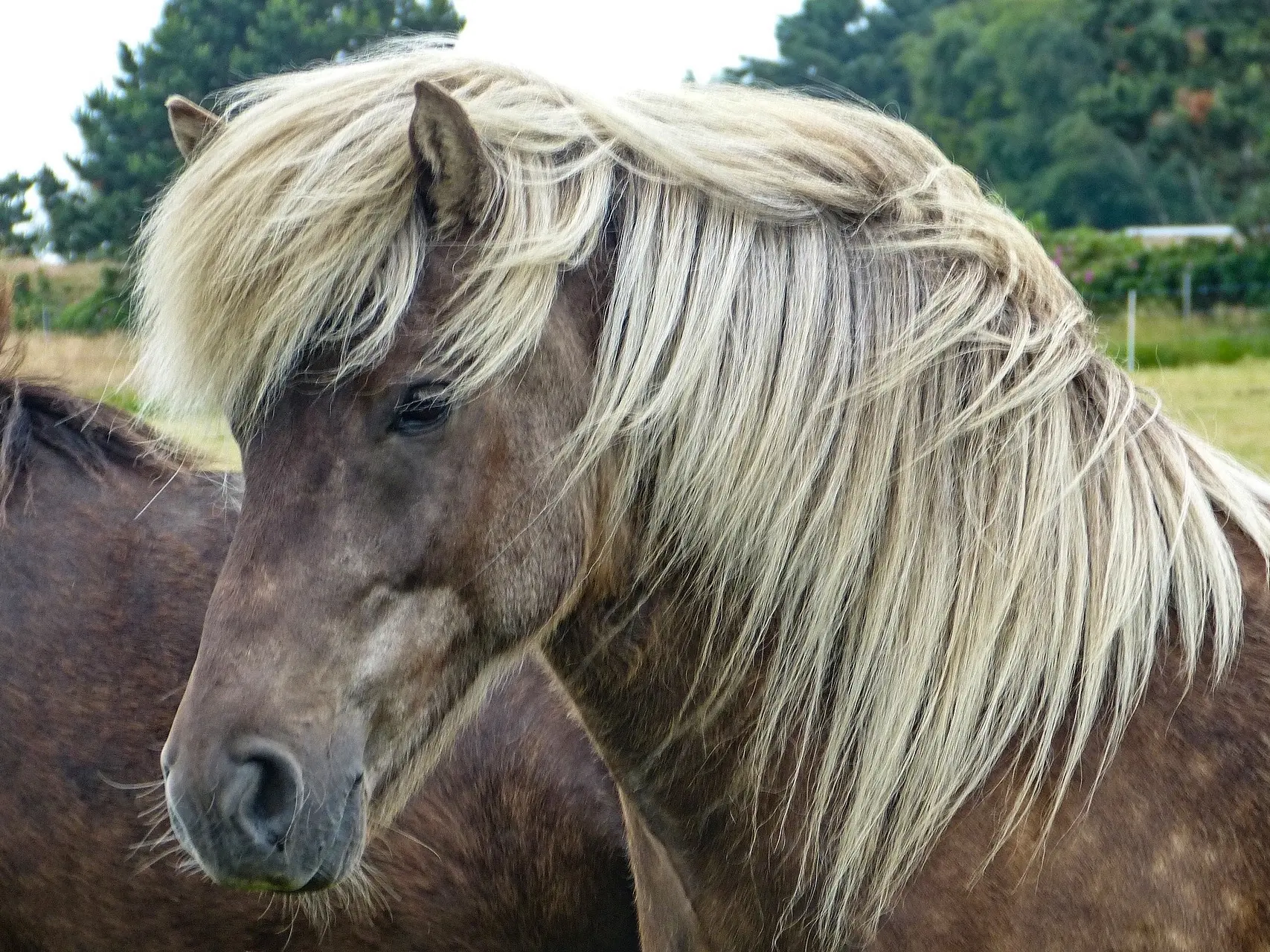 Black Base
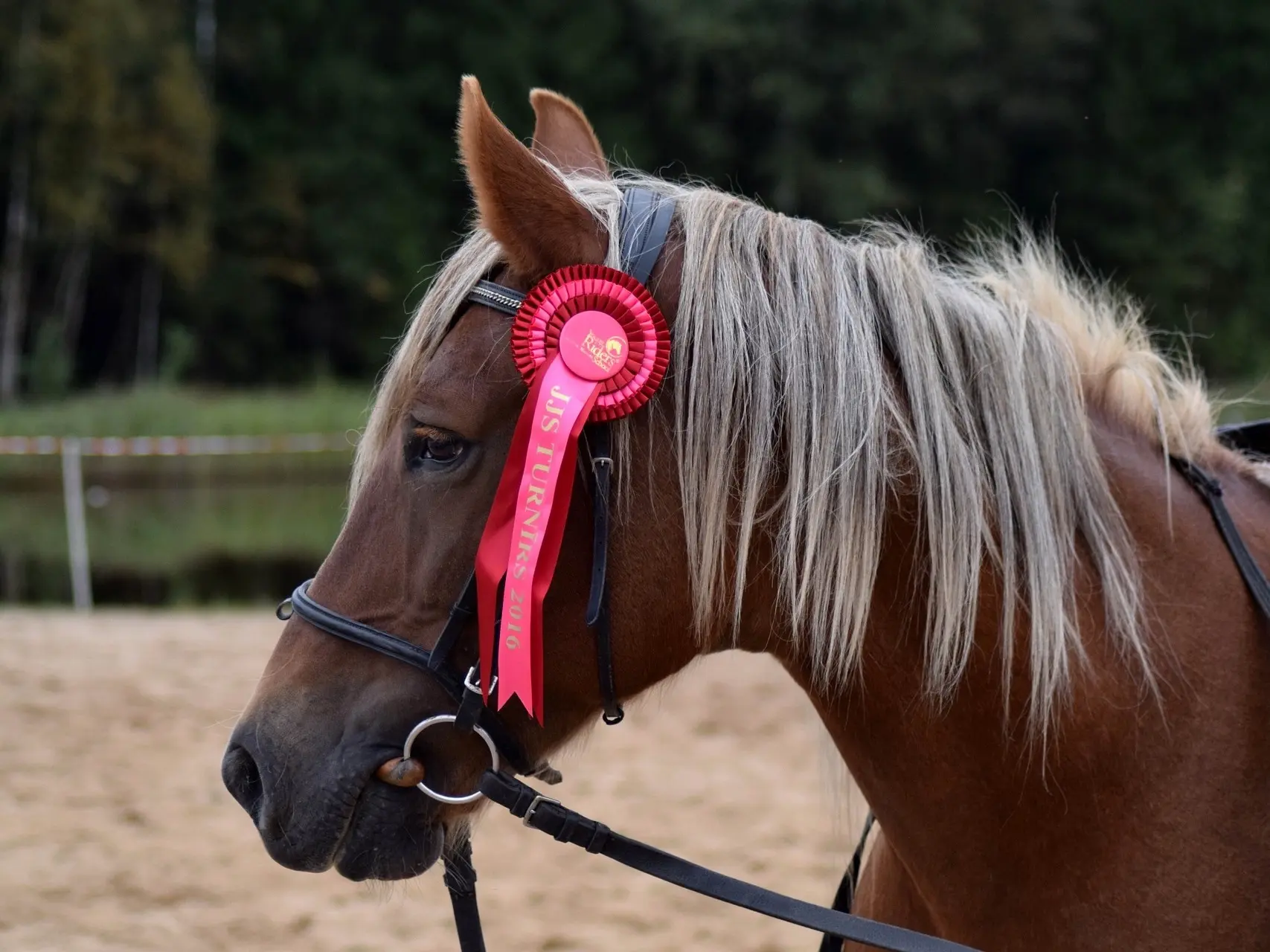 Bay Base
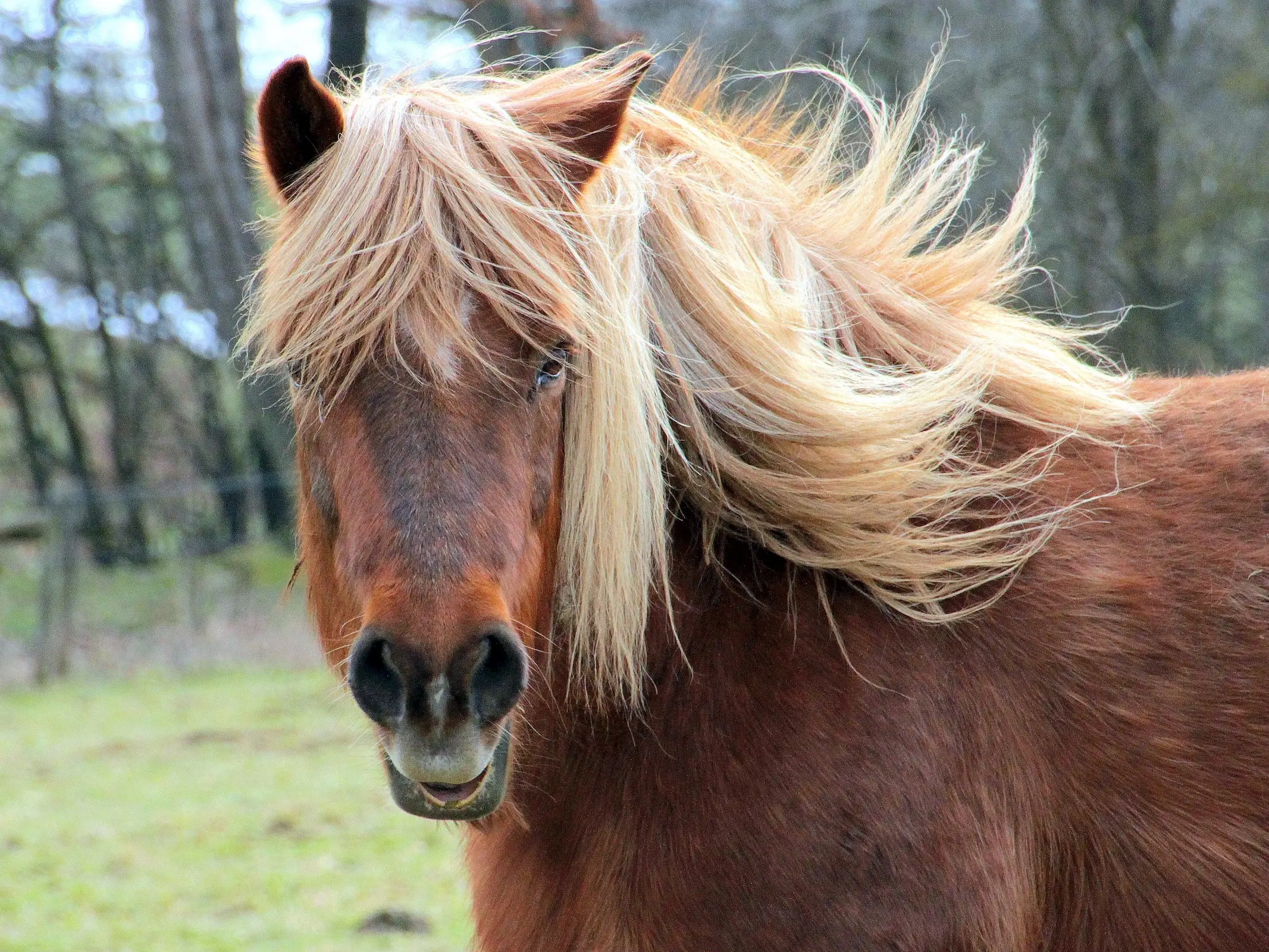 Brown Base
Silver Modified and Diluted
Silver can pair nicely with several of the modifiers and dilutions, adding its glamour to some of the decidedly less glamorous colors.
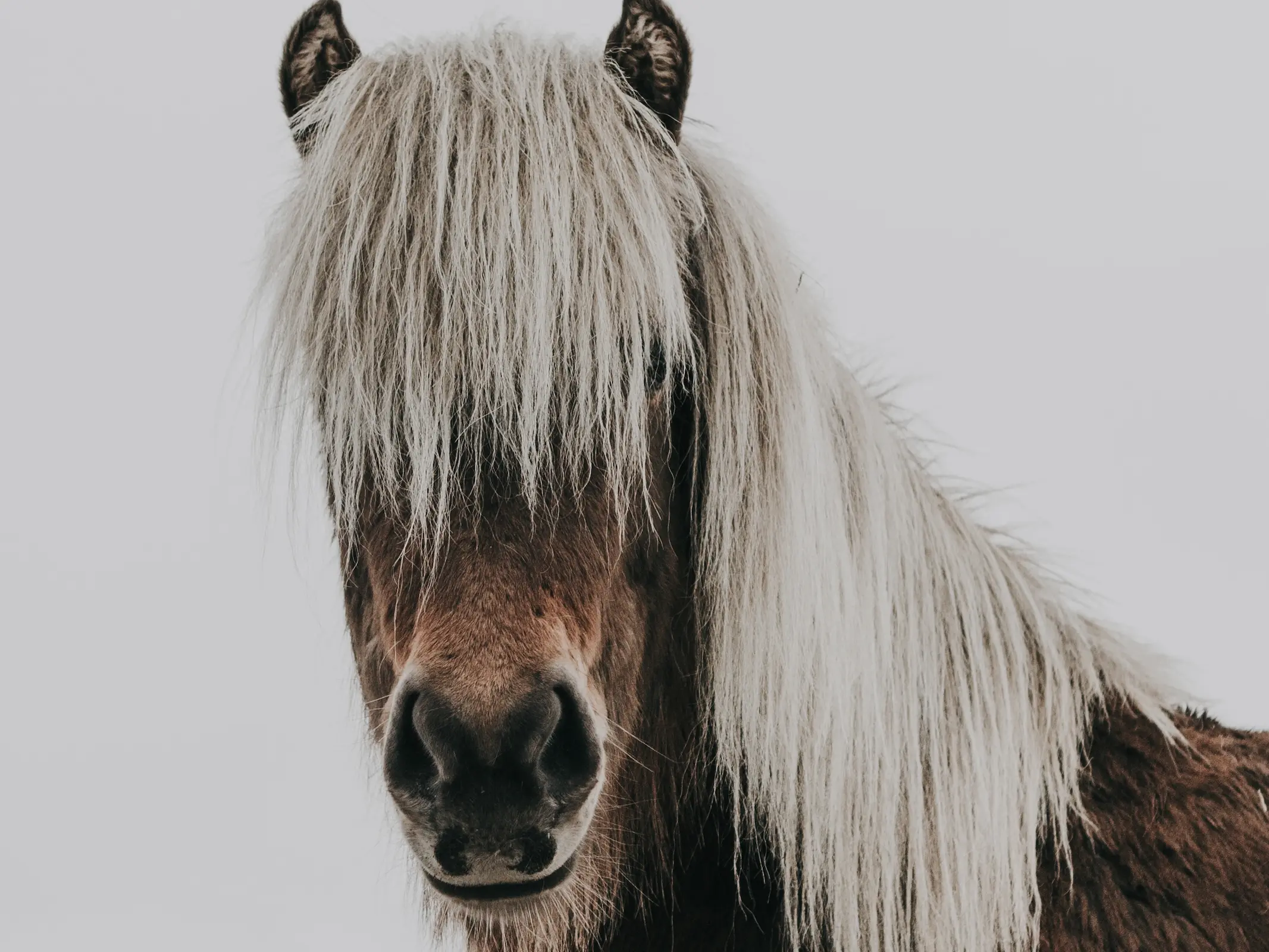 Mealy Modifier
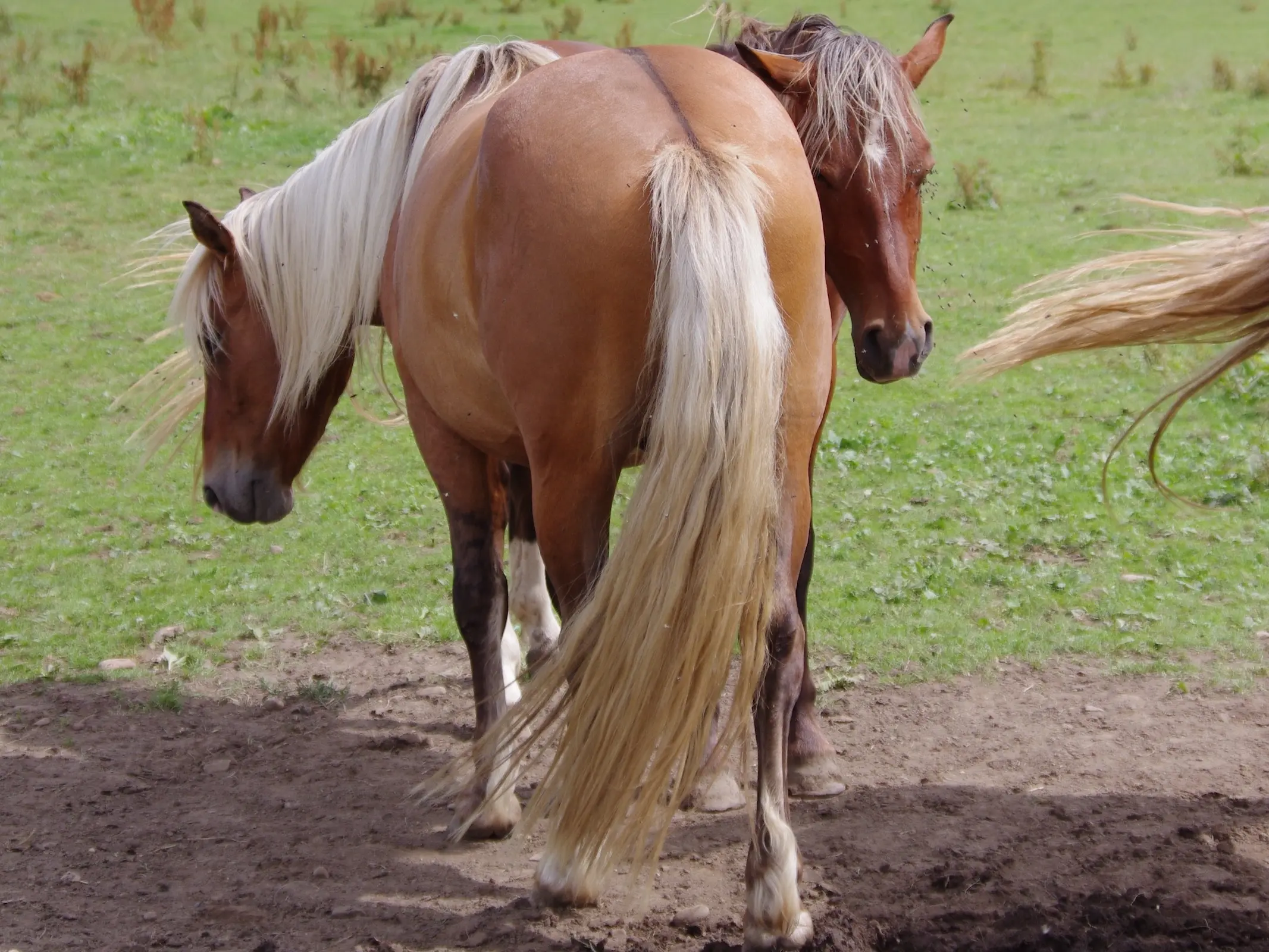 Dun Dilution
White on Silver
While not the rarest, silver animals are not extremely common in the equine world. The spotted versions of them are even rarer, but absolutely stunning in their variety. Silver white patterns aren’t always obvious and may be mistaken for other colors, but they can be absolutely fabulous.
 Pinto
Pinto Appaloosa
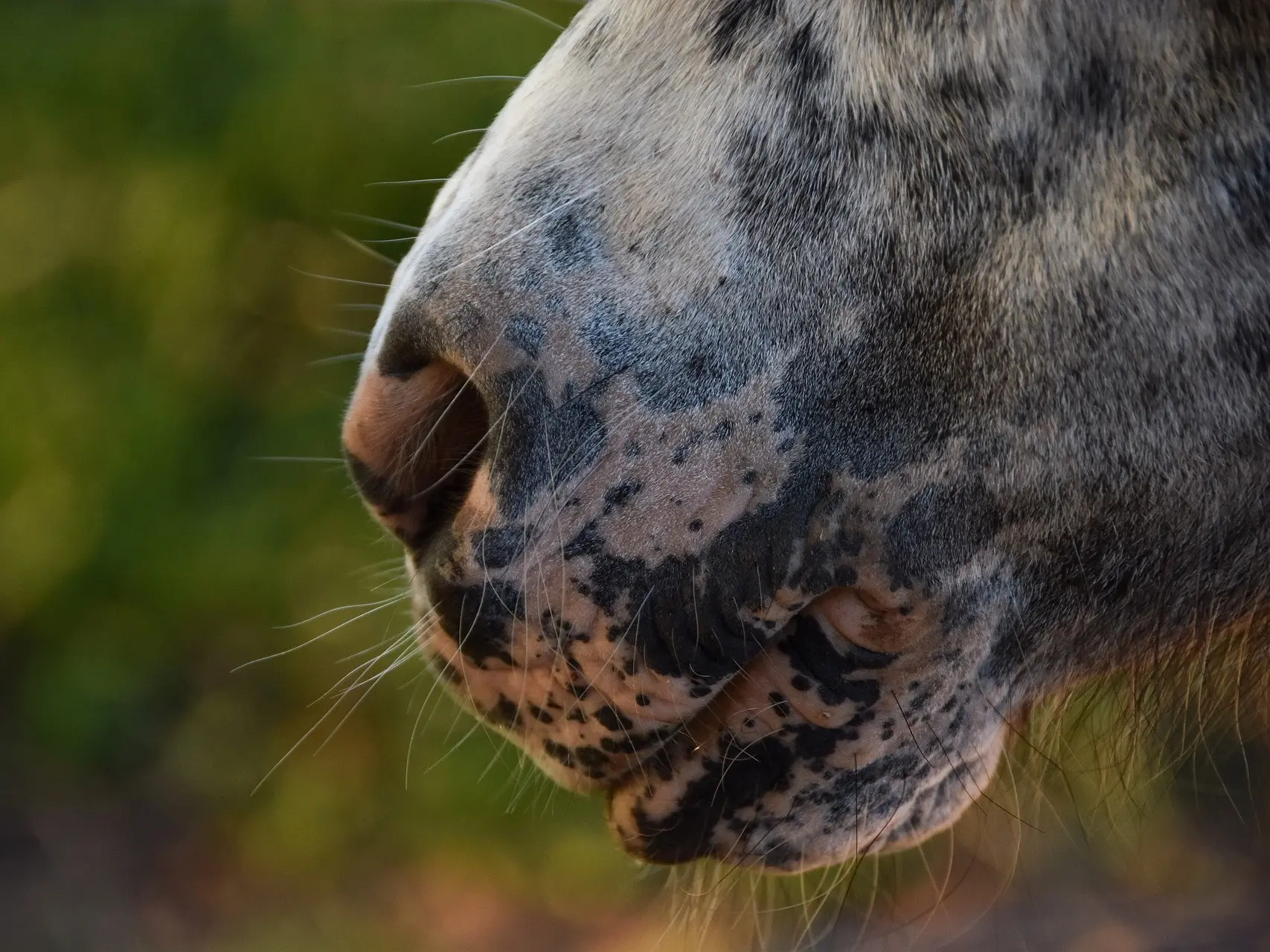 Mottled skin
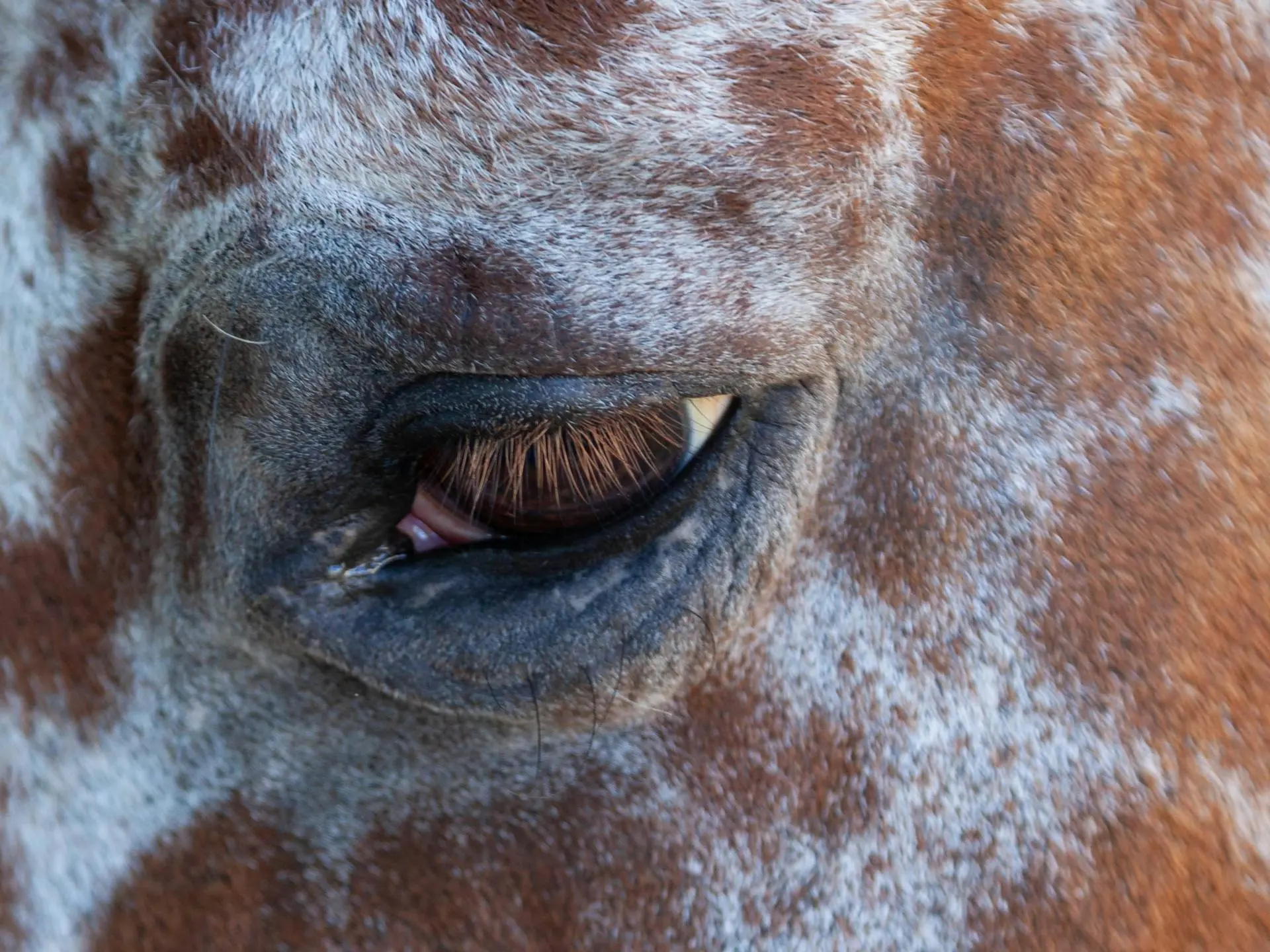 White Sclera
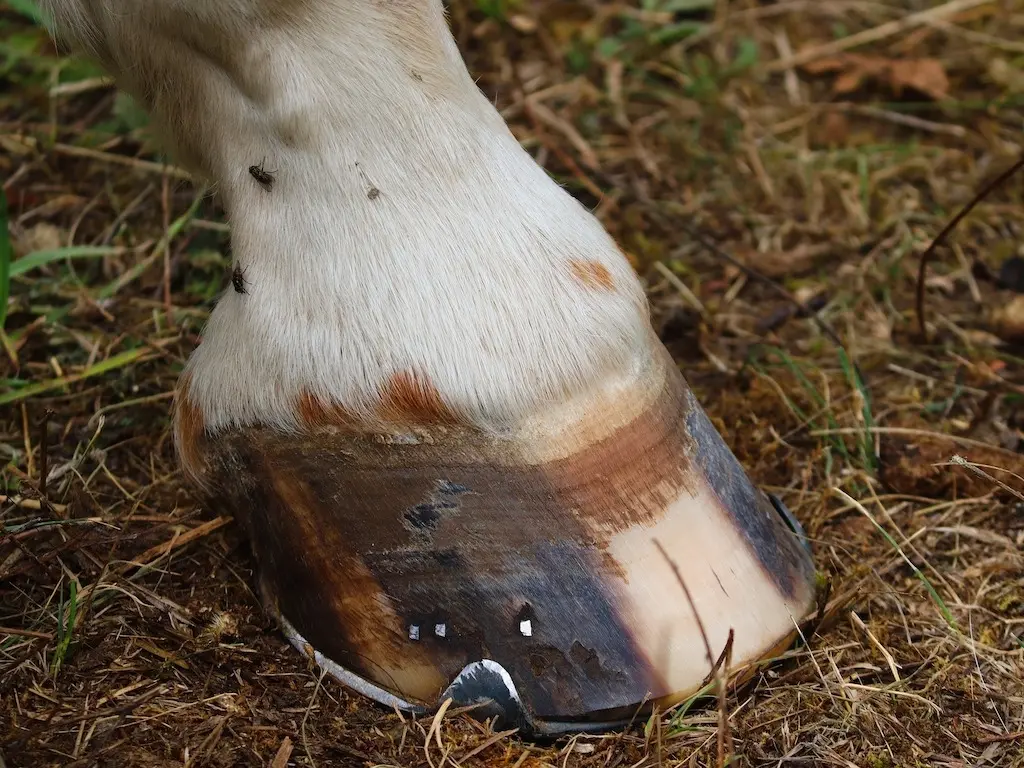 Striped hooves
 Rat Tail
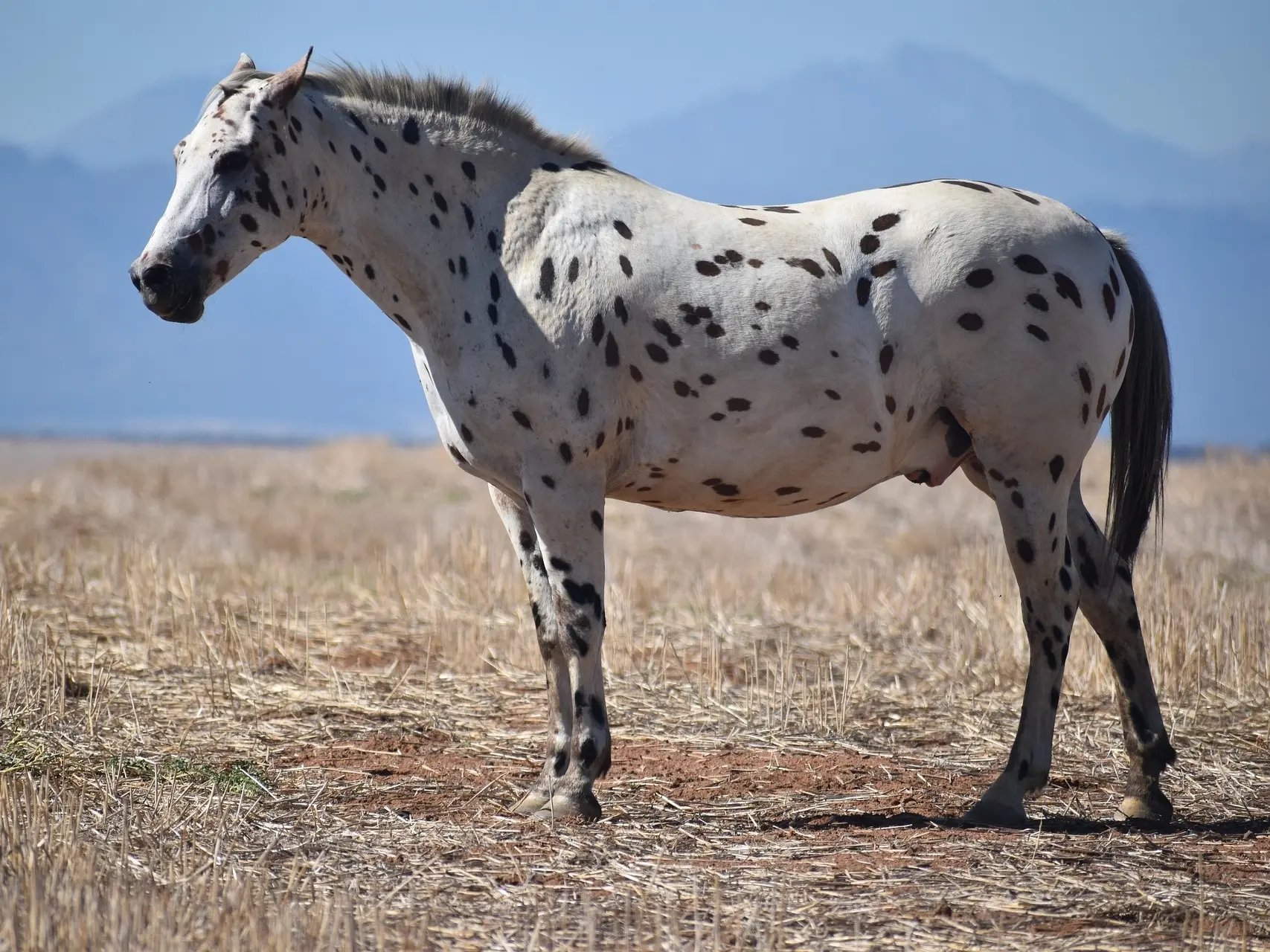 Leopard
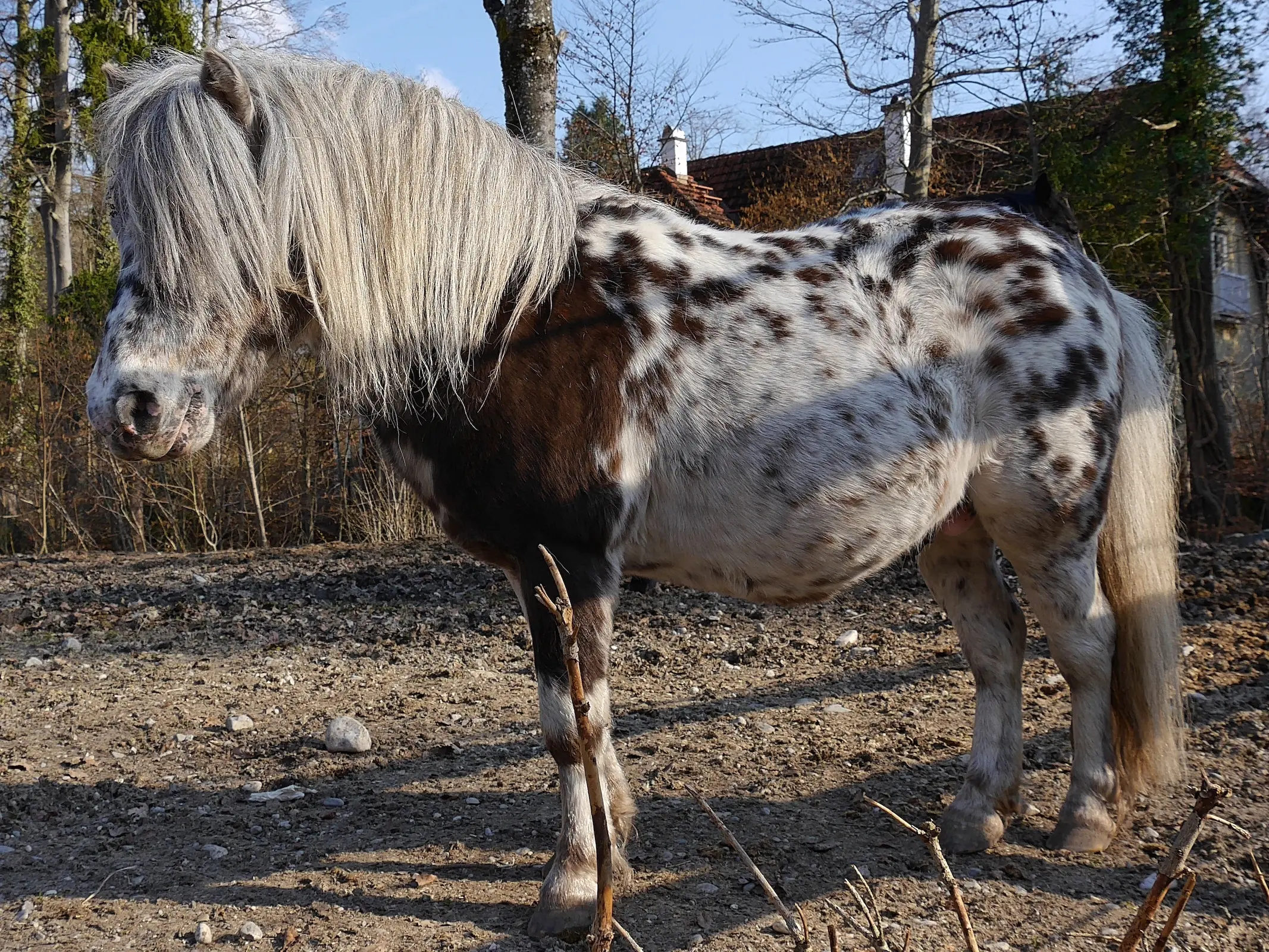 Near-Leopard
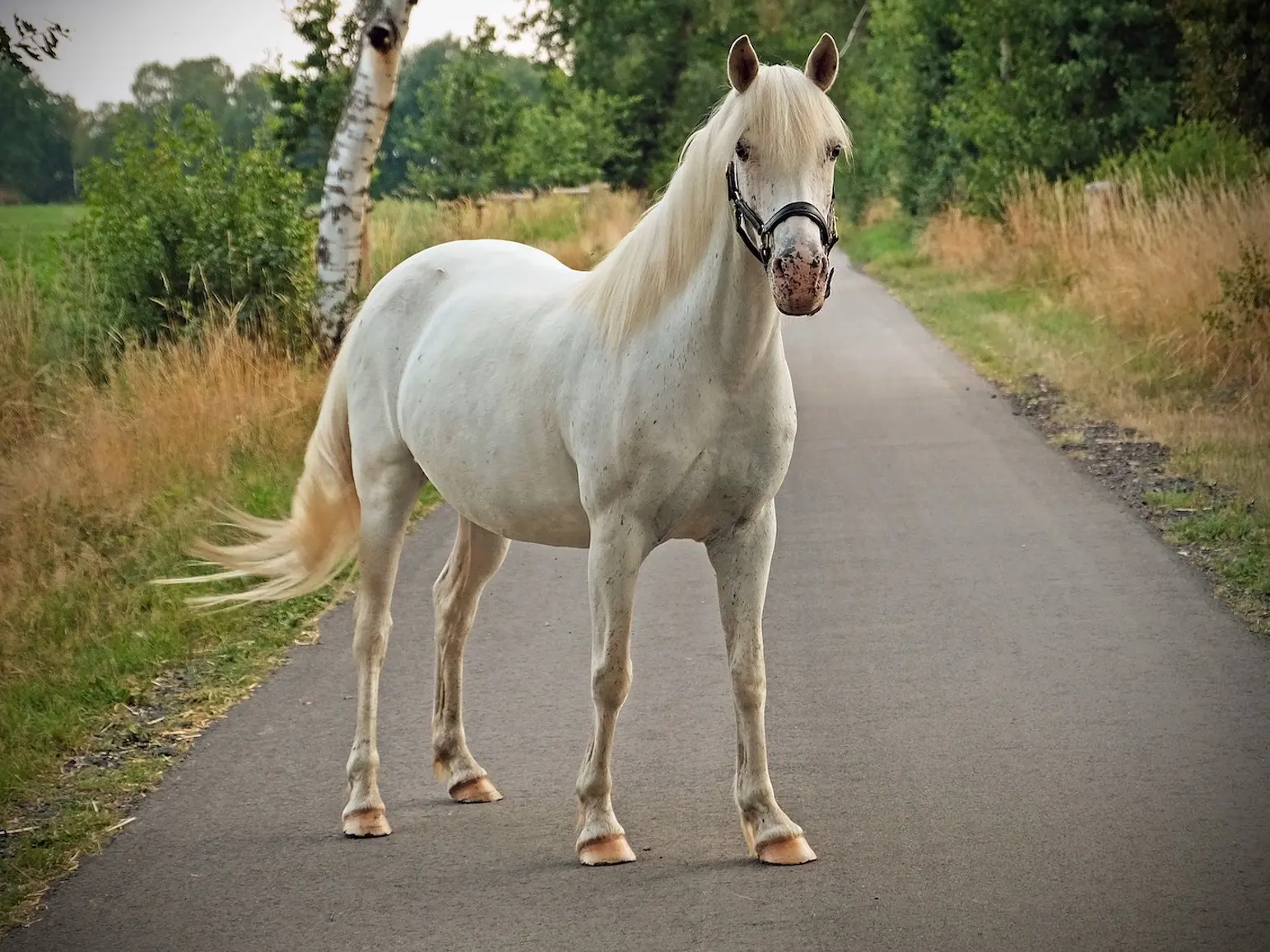 Few-Spot Leopard
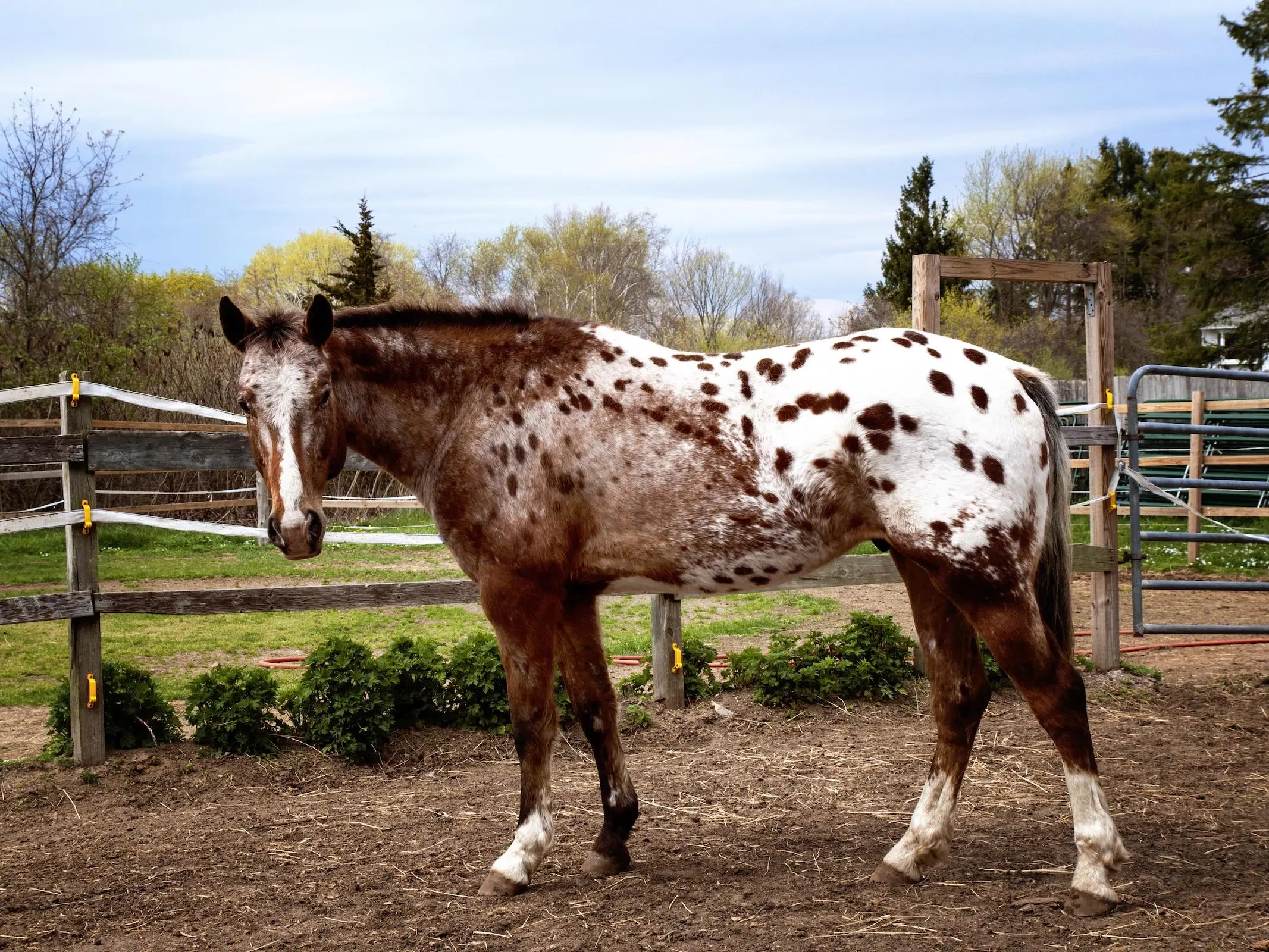 Blanket
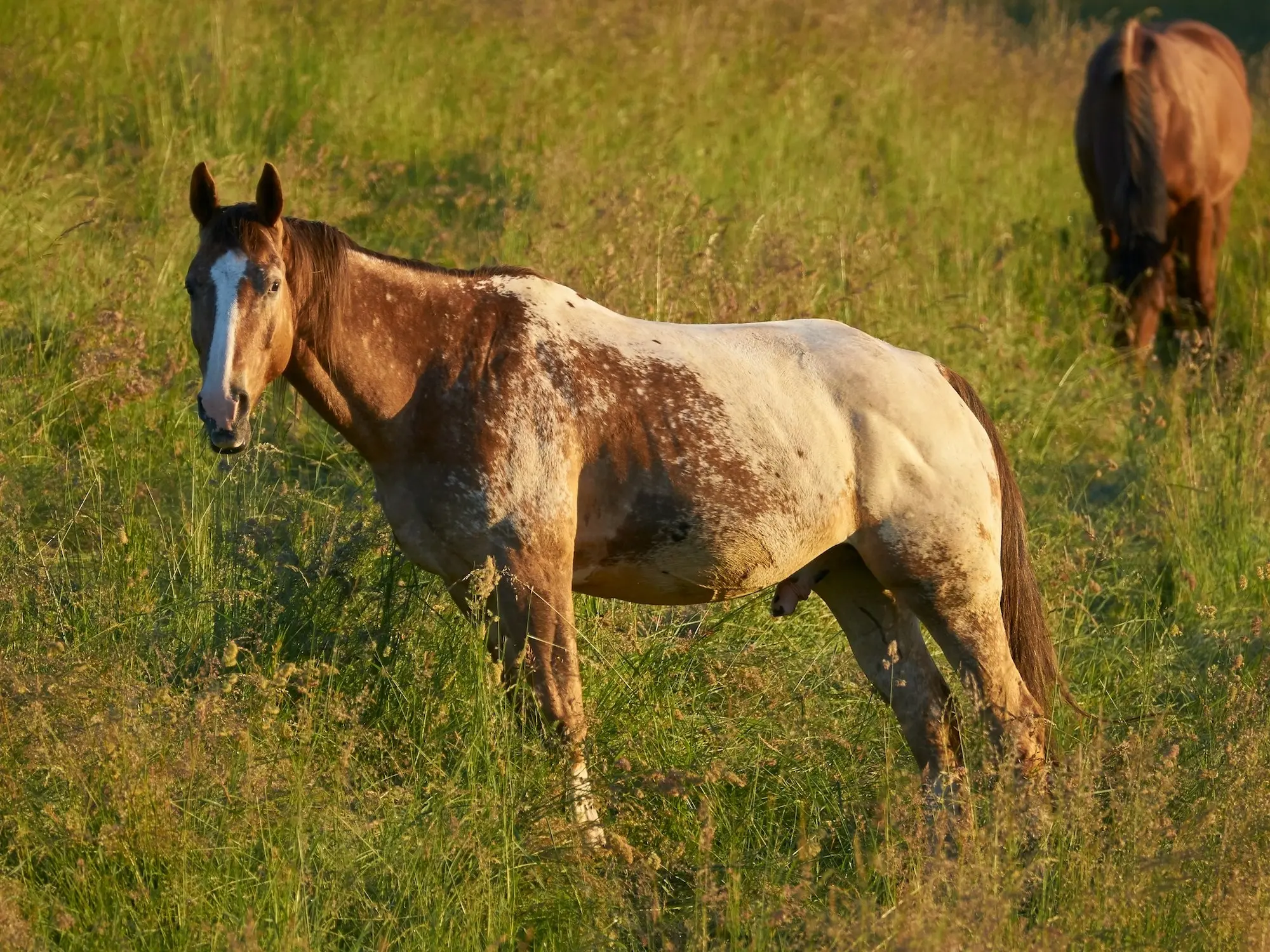 Snowcap
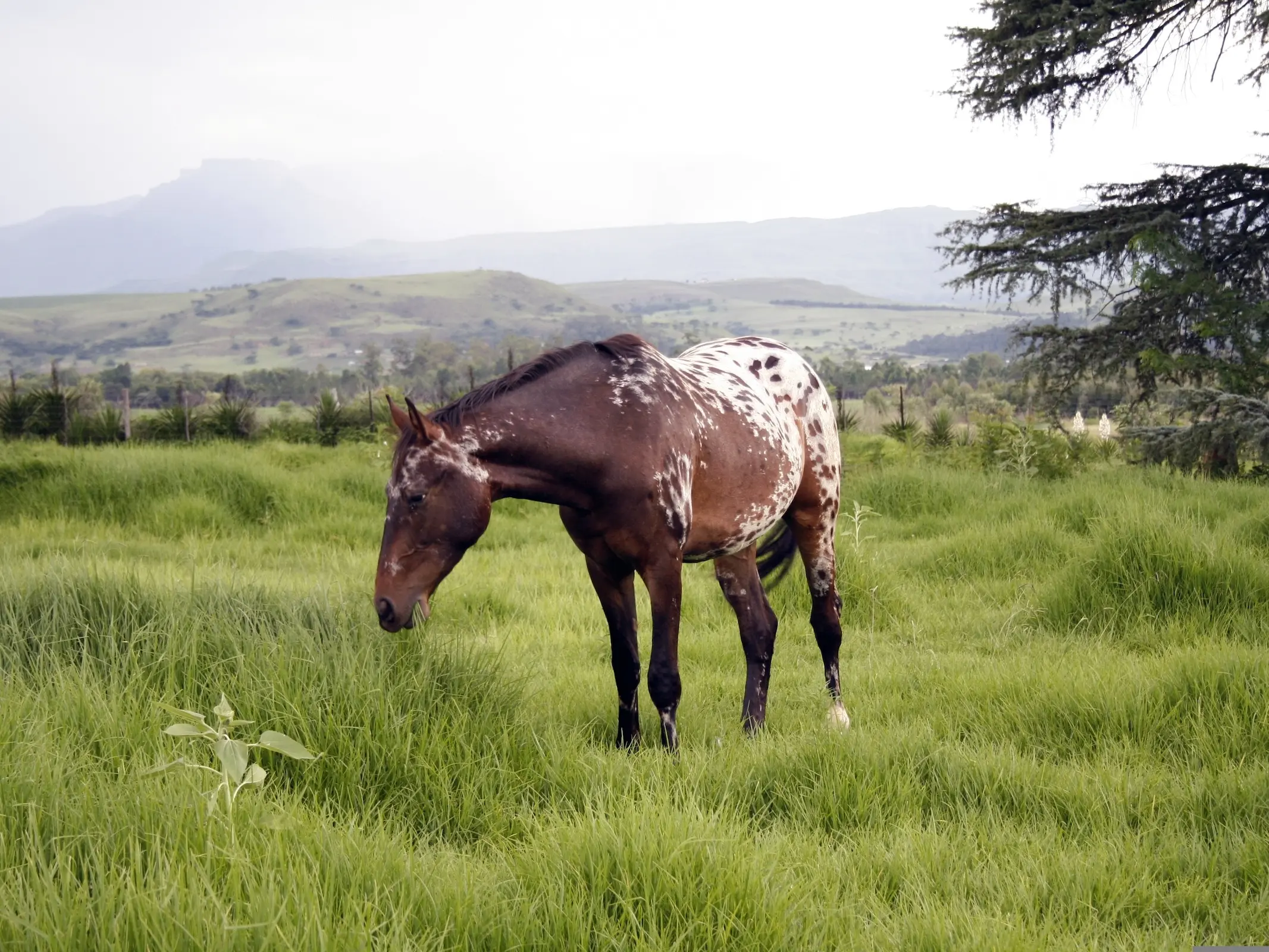 Marble/Varnish
 Frost
Frost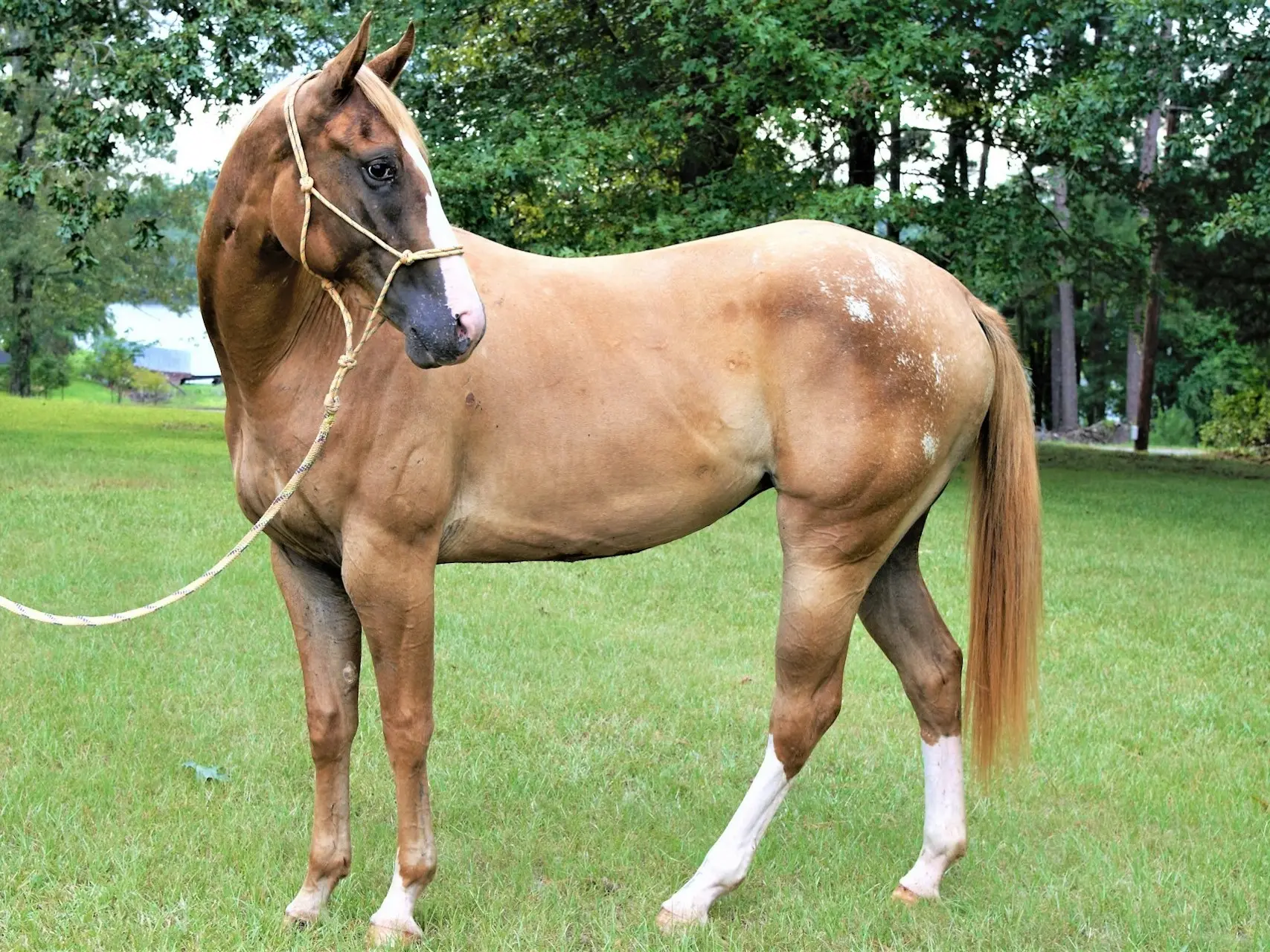 Snowflake
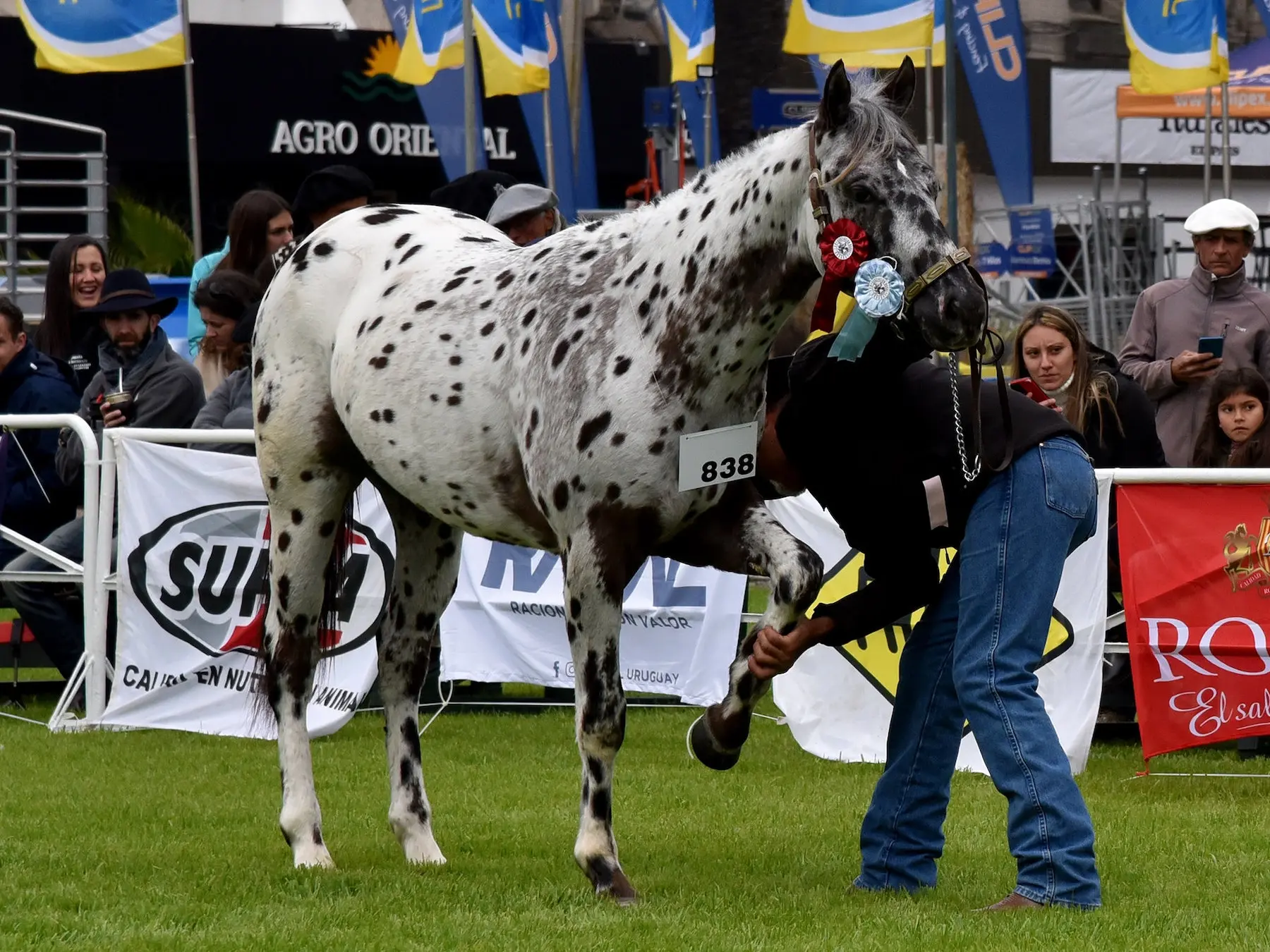 Peacock
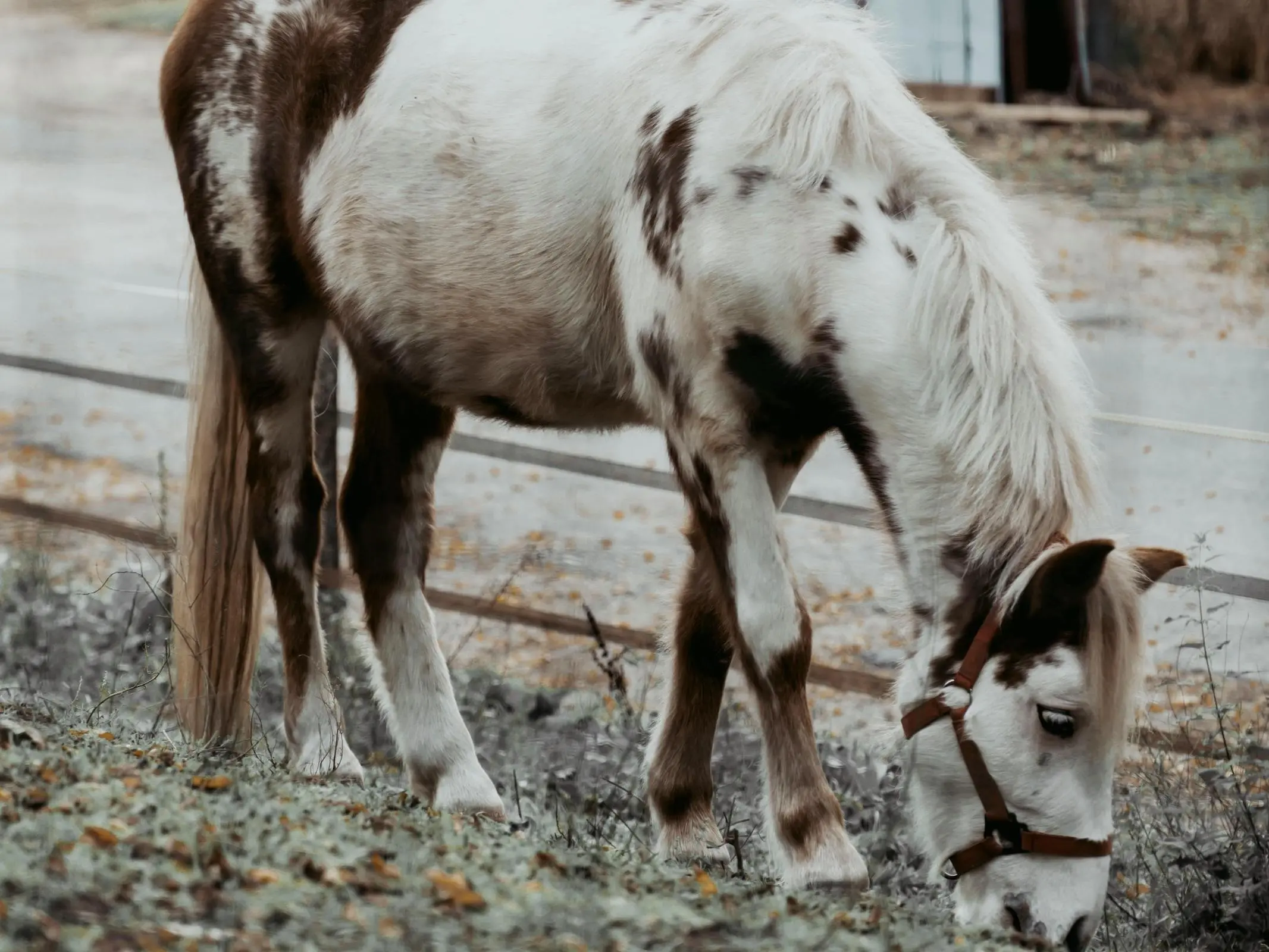 Pintaloosa
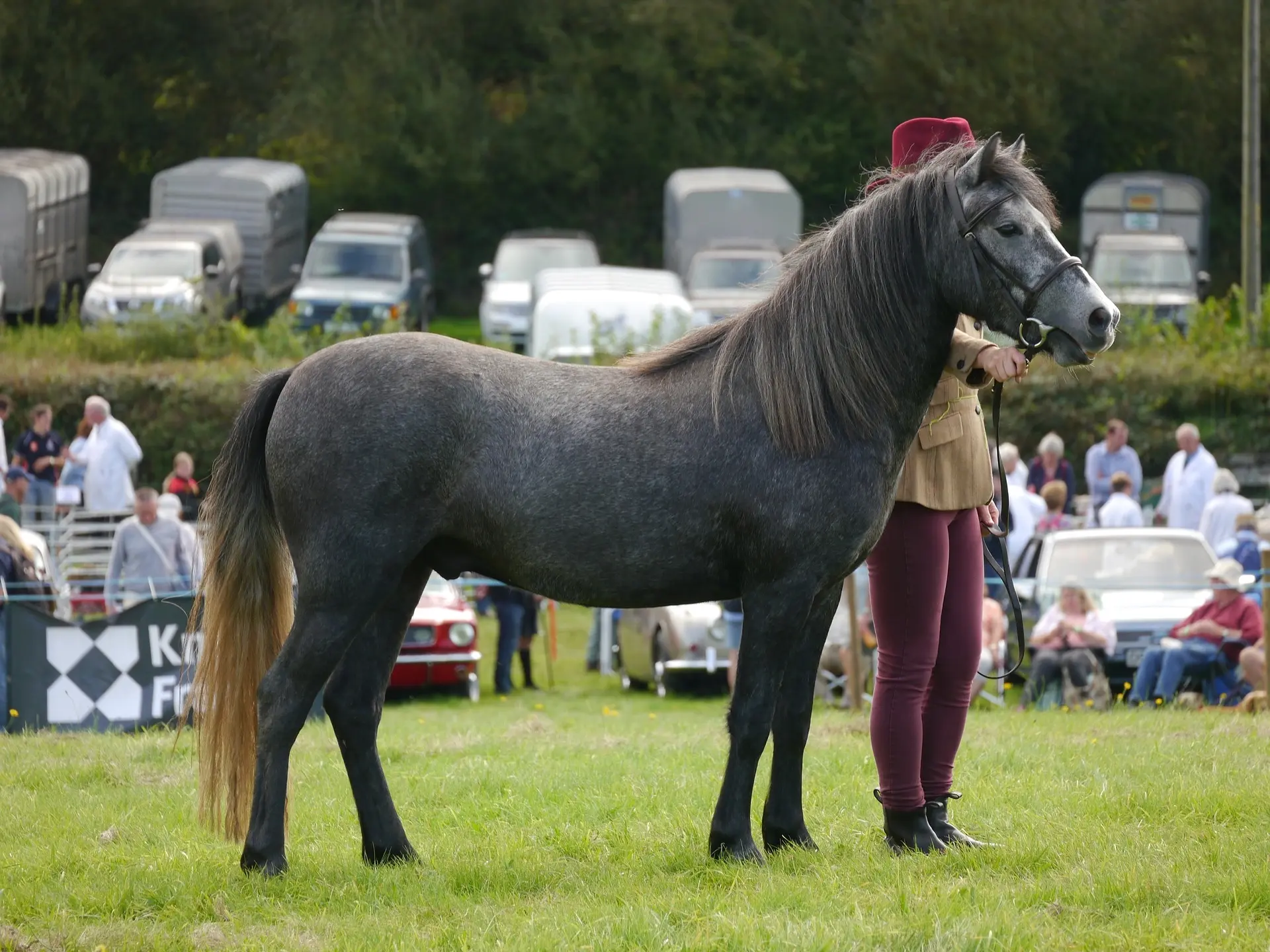 Steel grey
 Rose grey
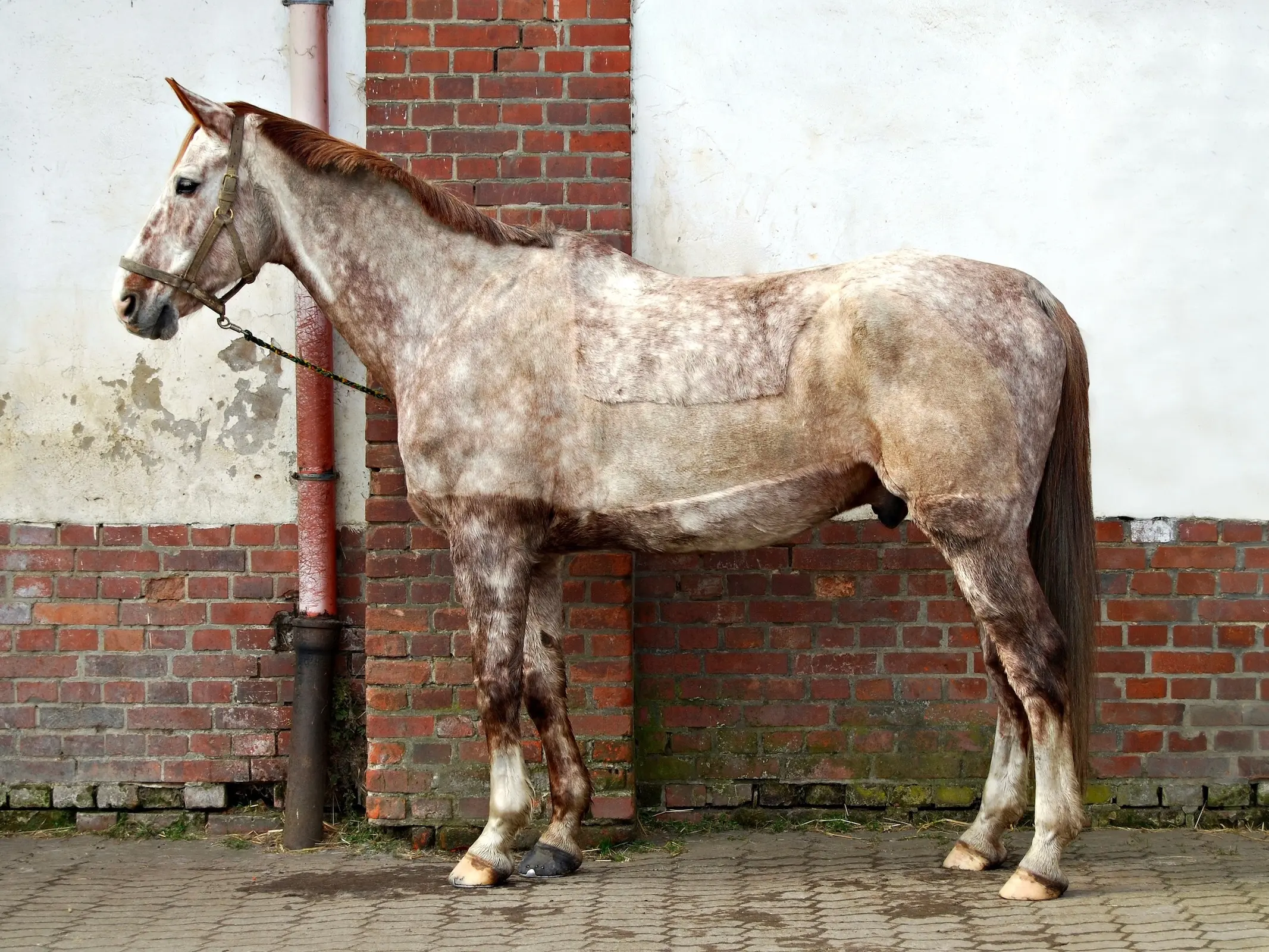 Dapple grey
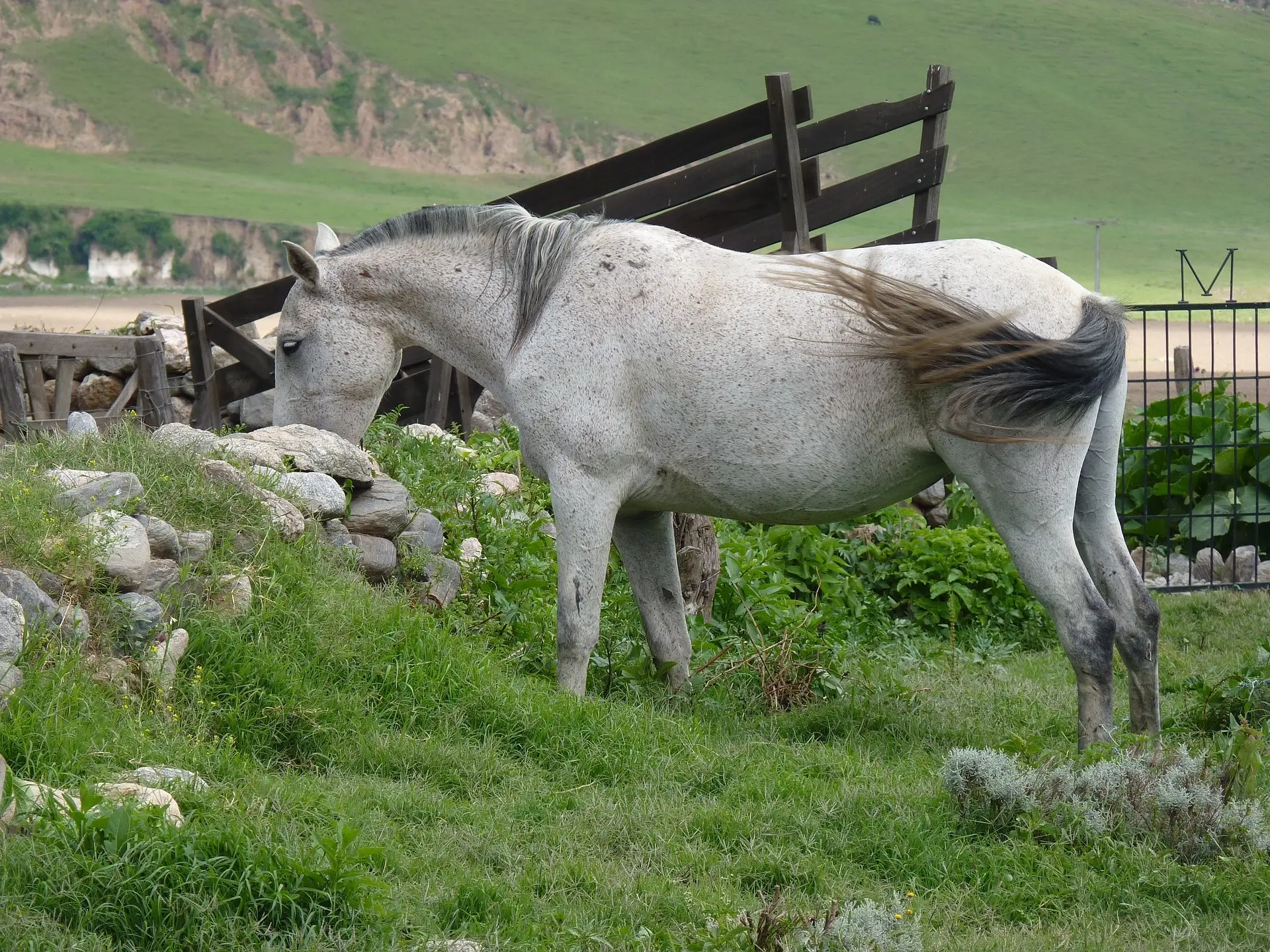 Fleabitten grey
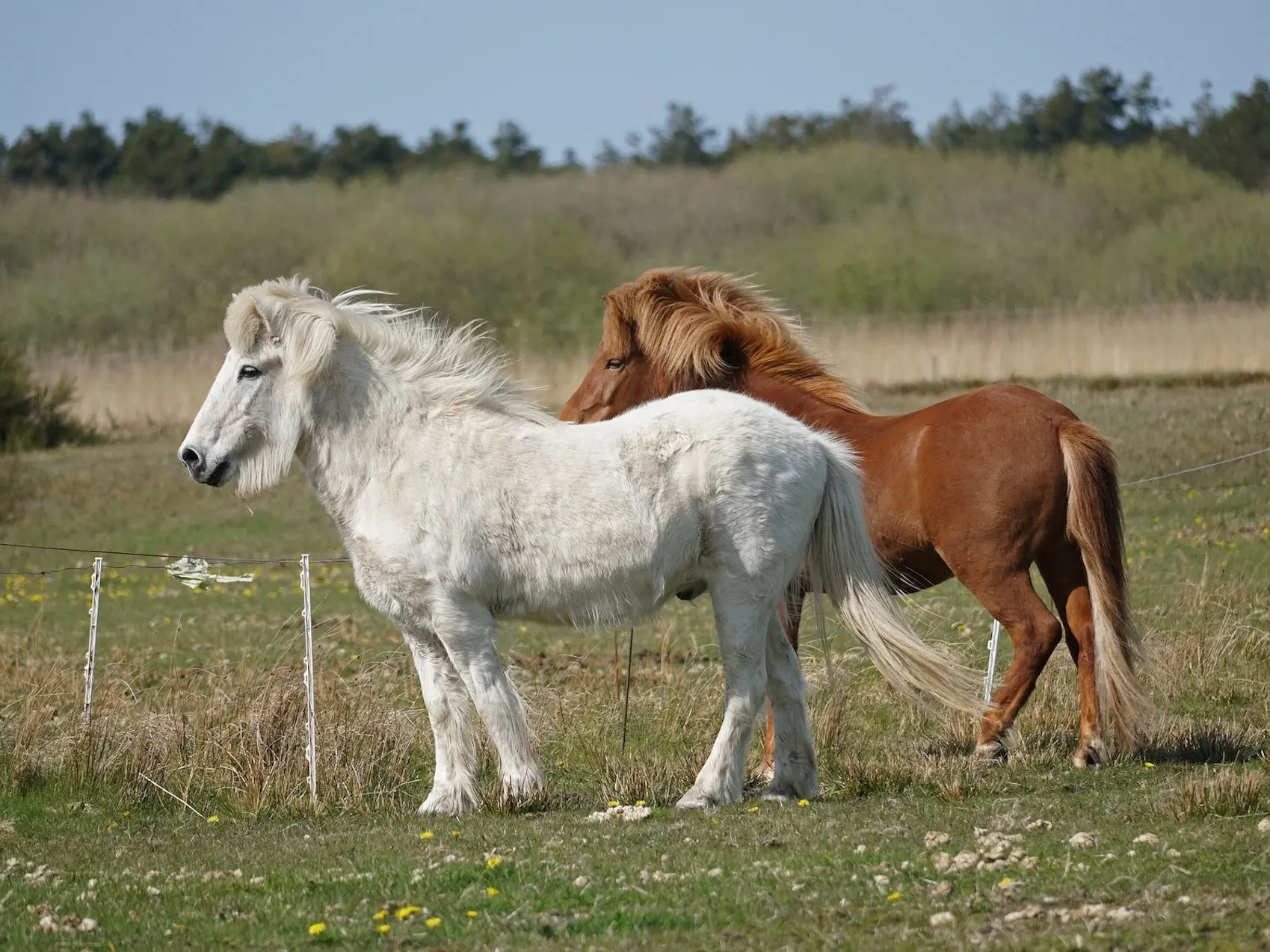 White grey
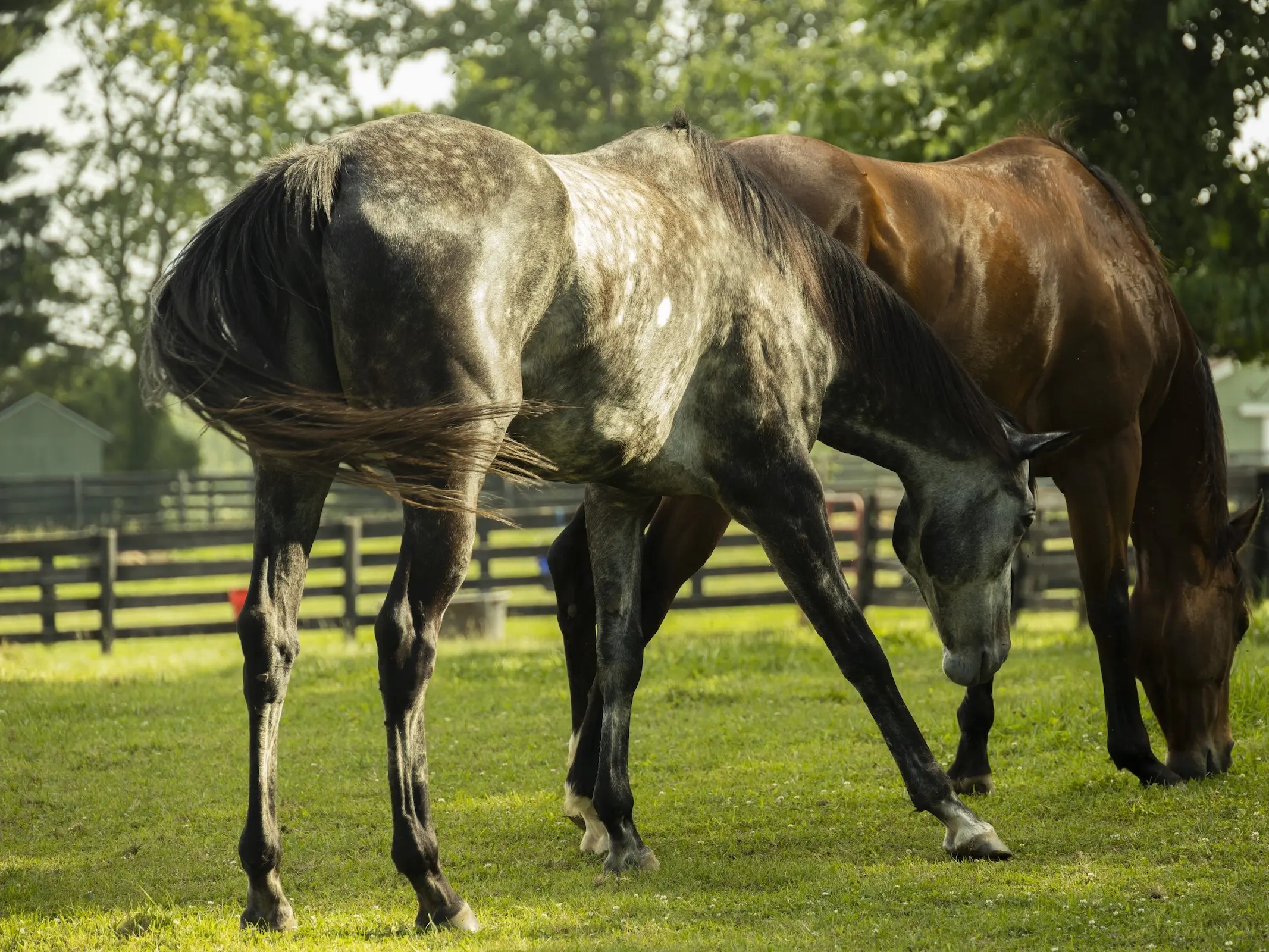 Chubari Marks
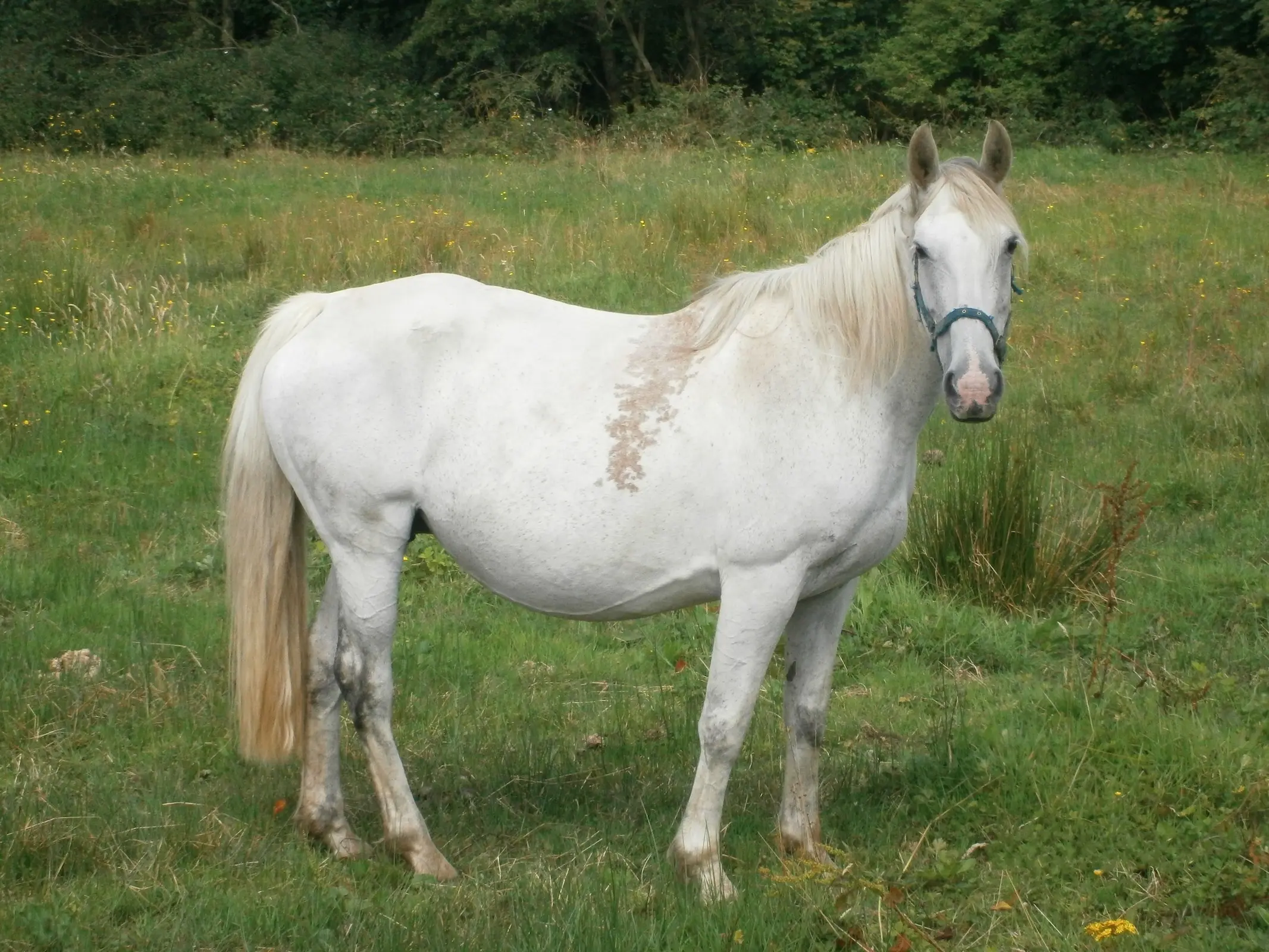 Blood Marks
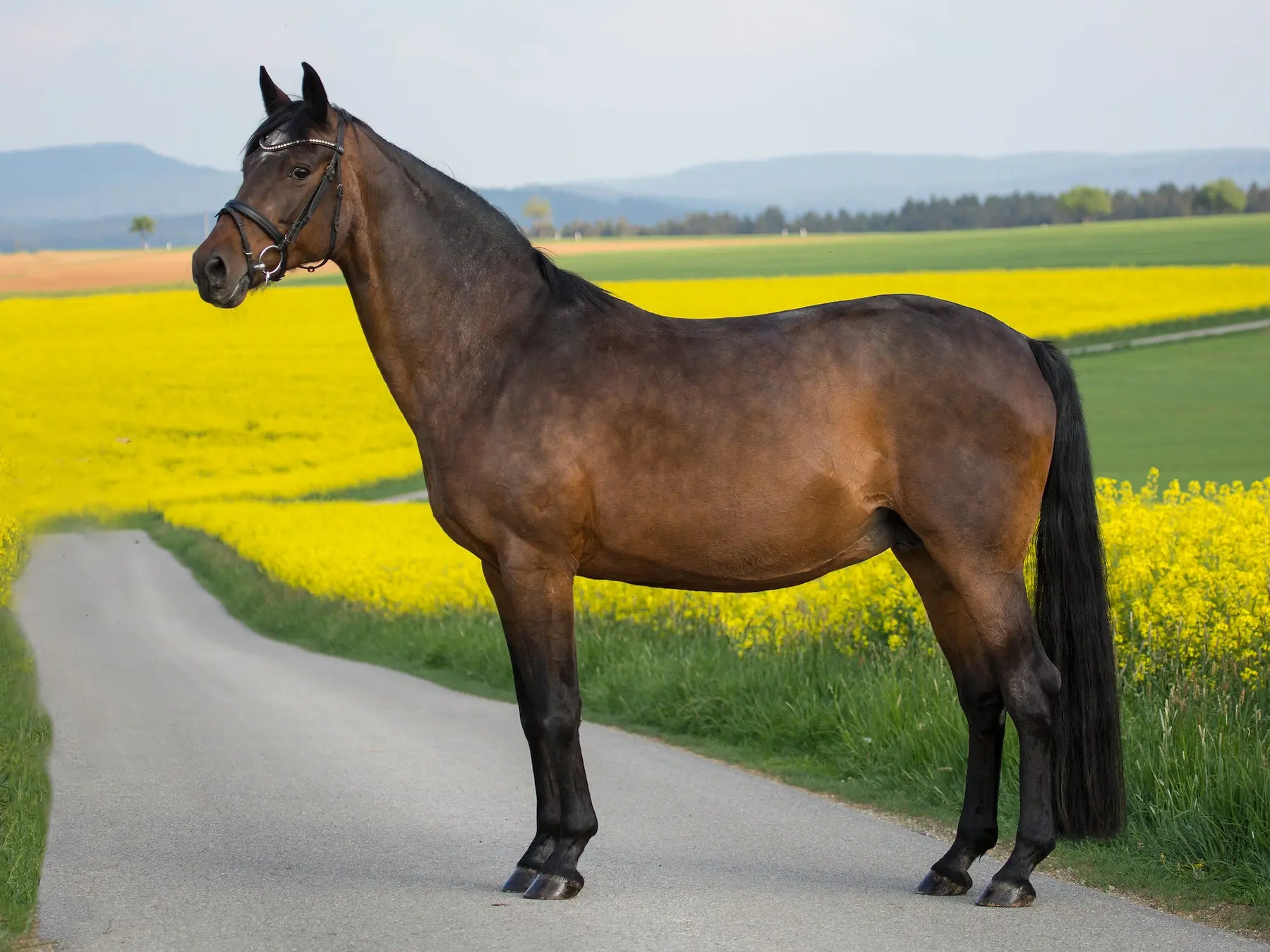 Mahogany Bay
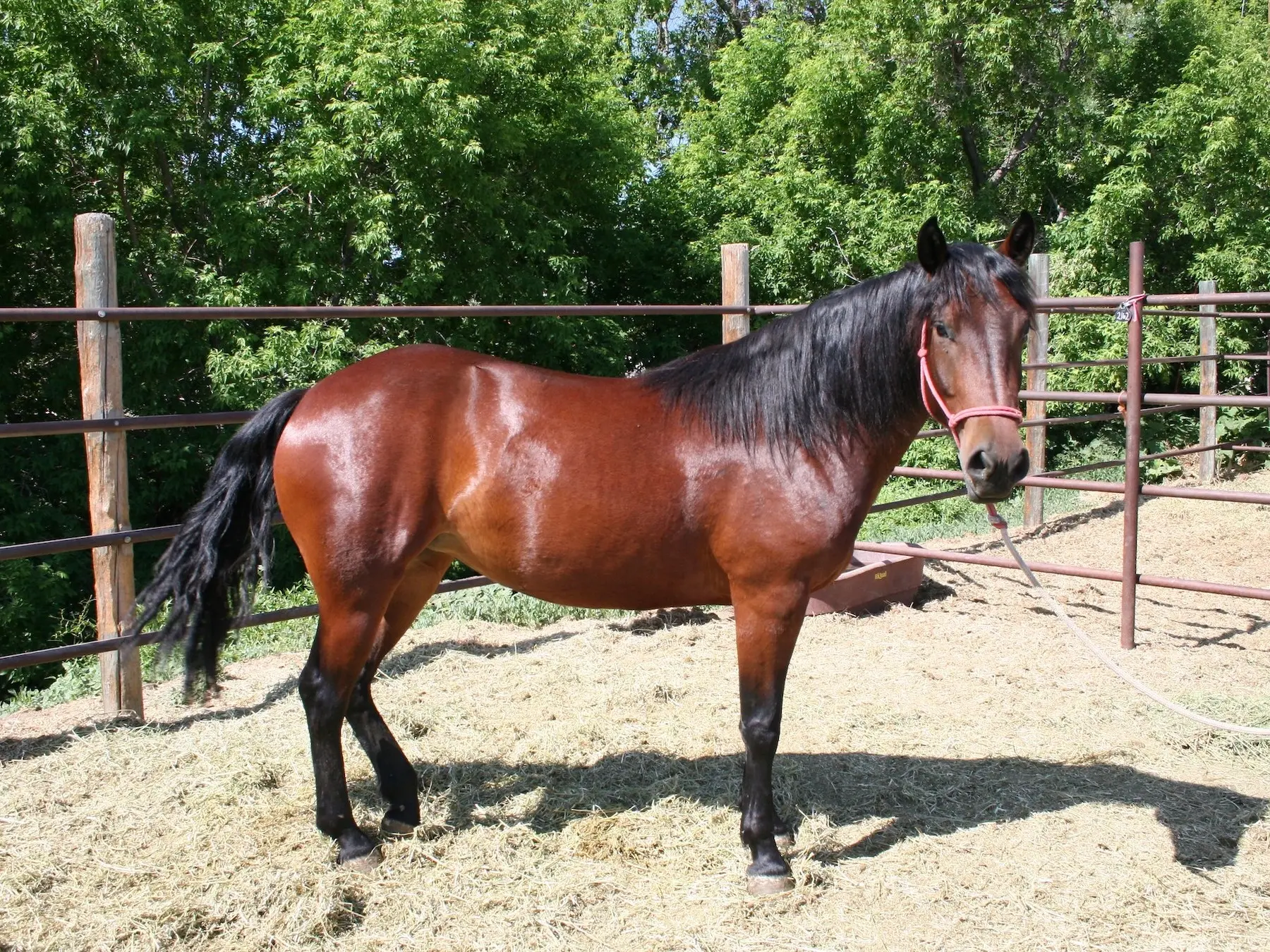 Blood Bay
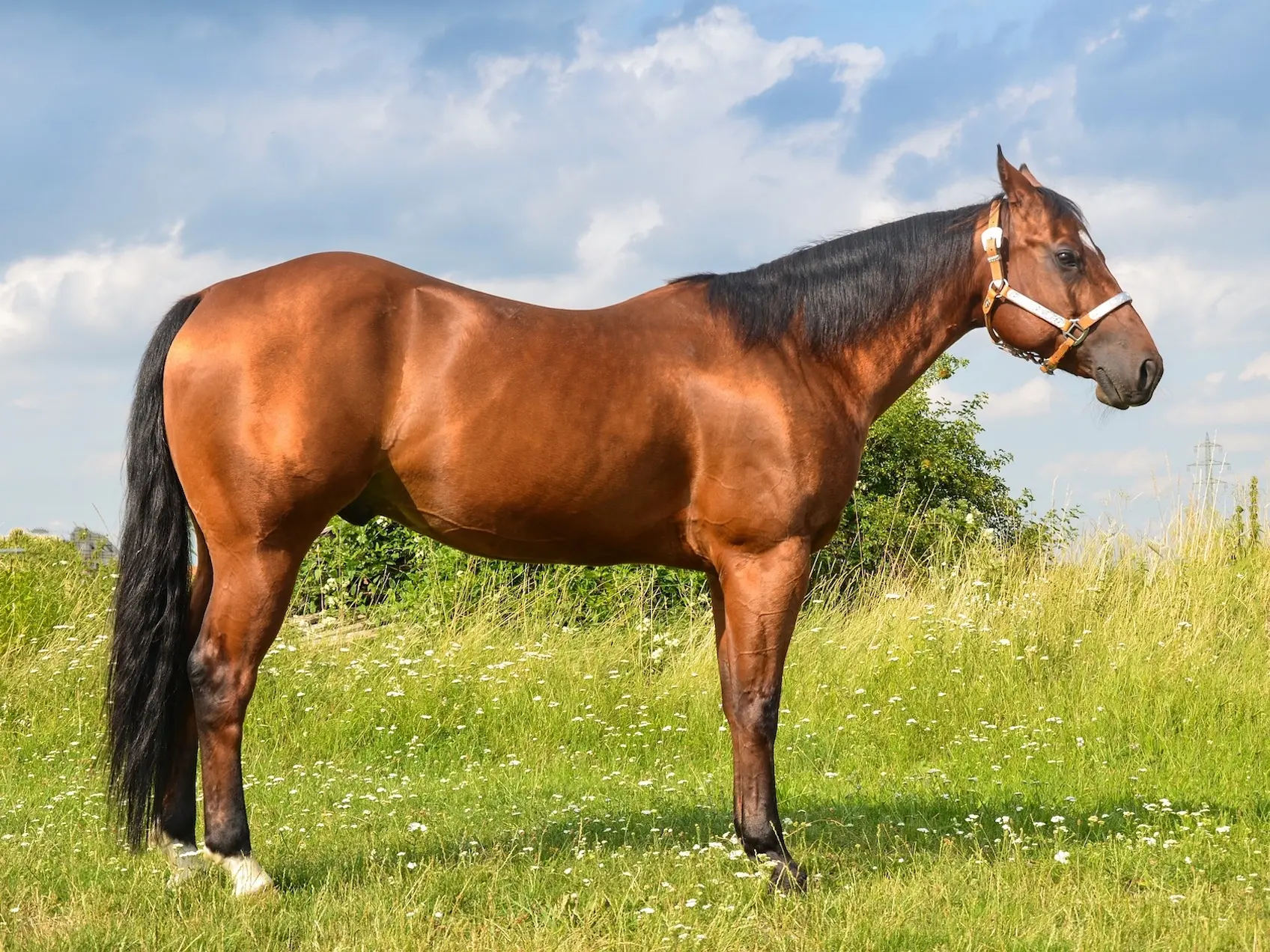 Copper Bay
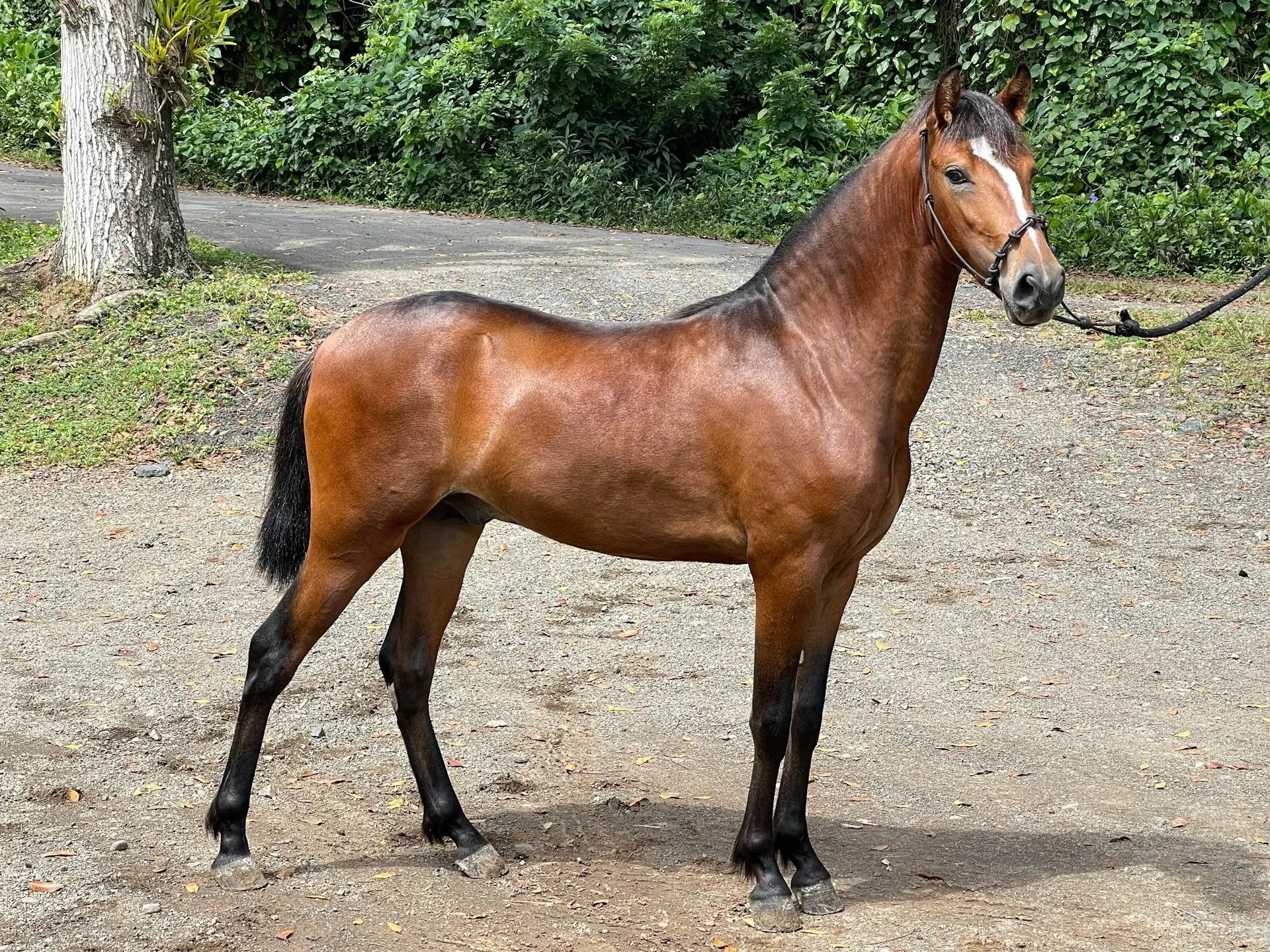 Standard Bay
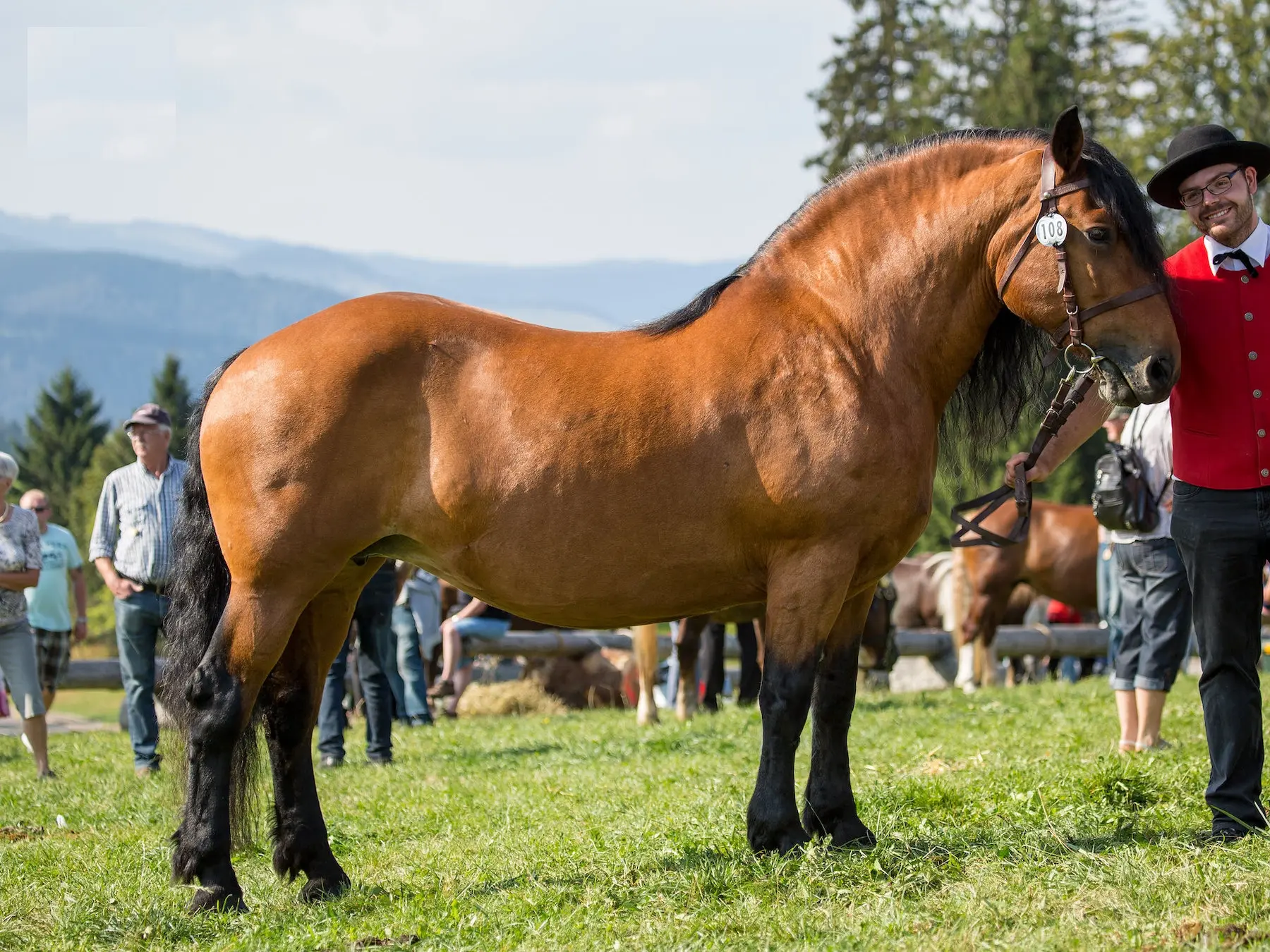 Golden Bay
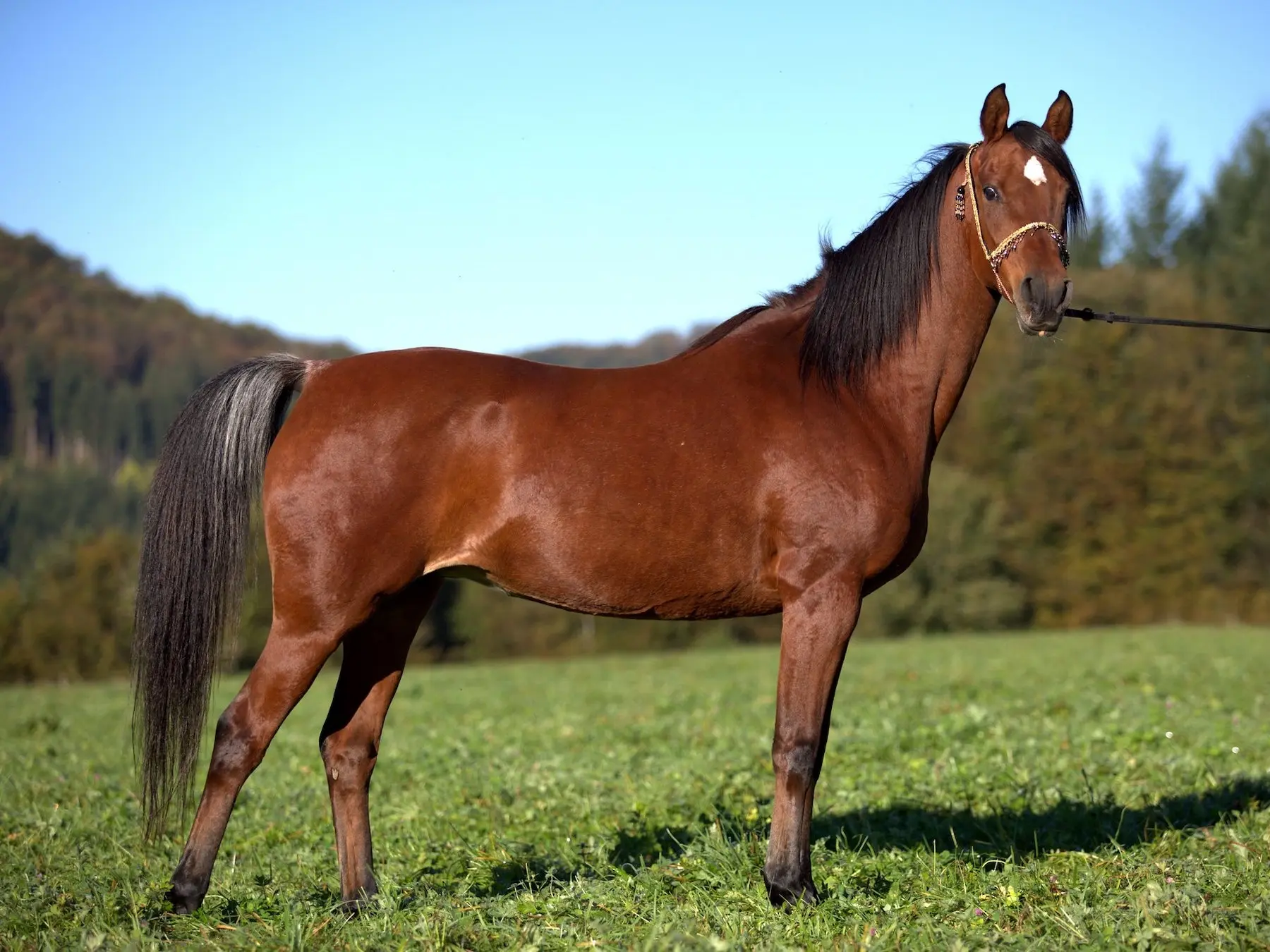 Wildtype Bay
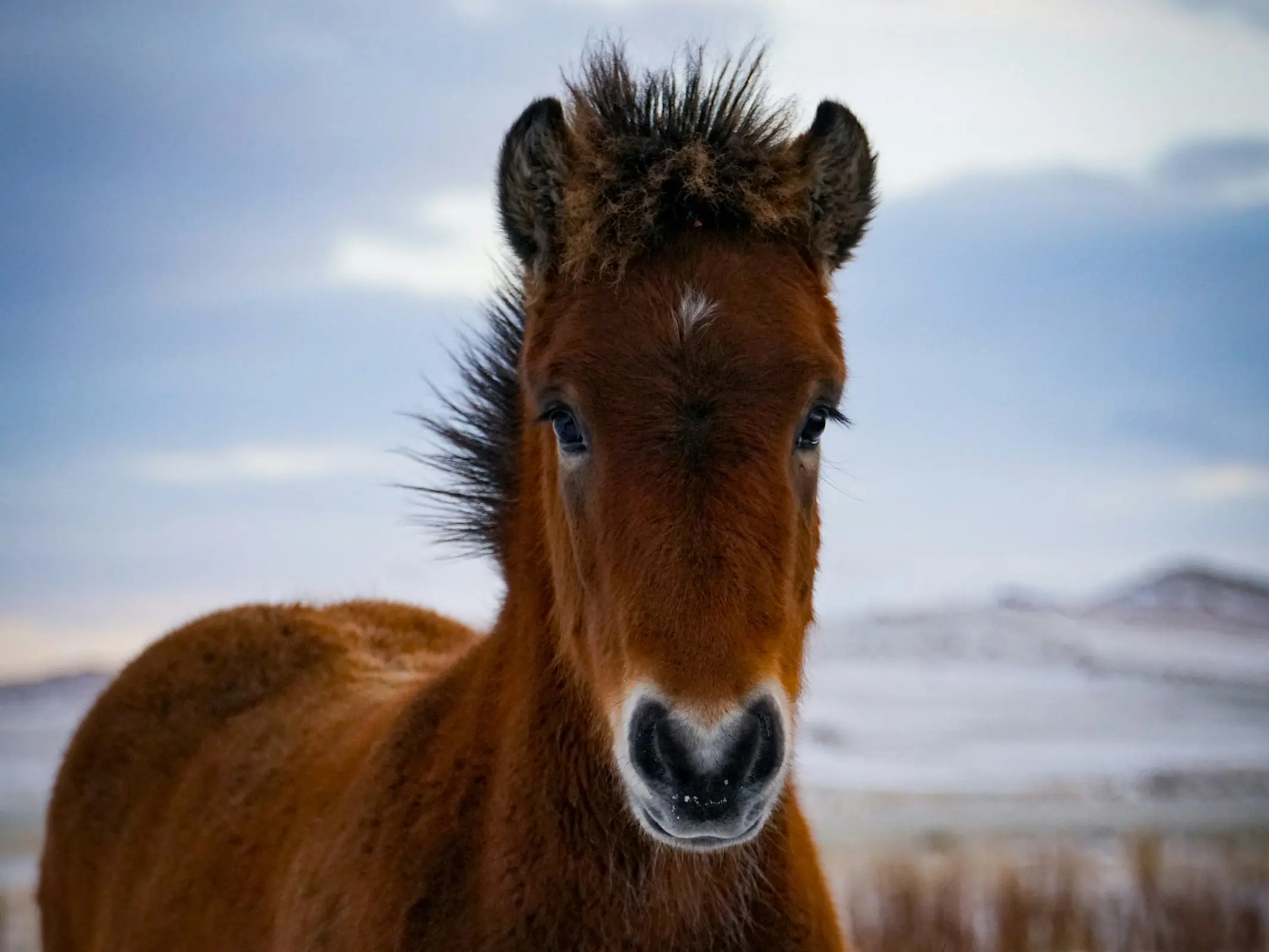 Pangare Modifier
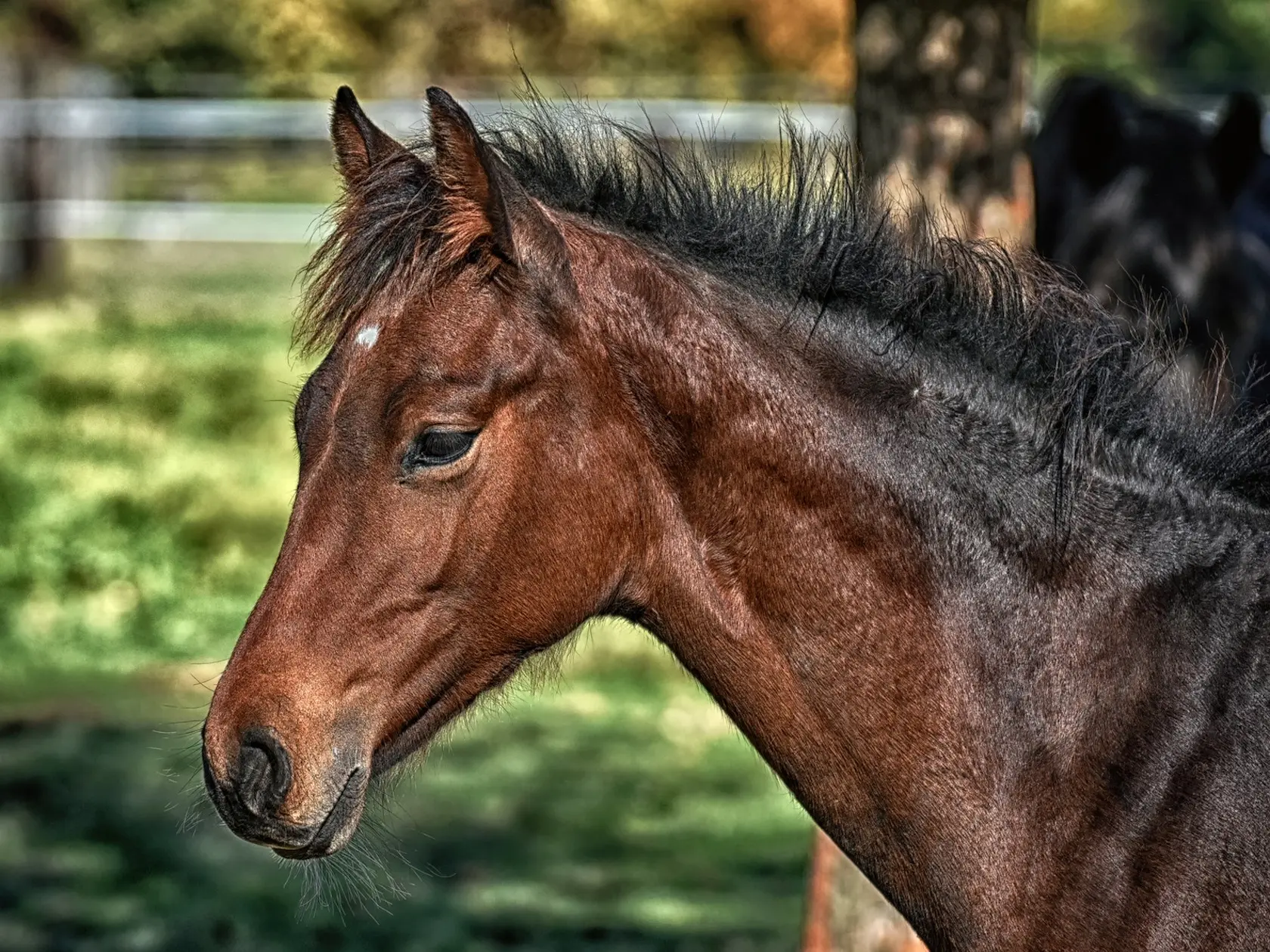 Sooty Modifier on Bay
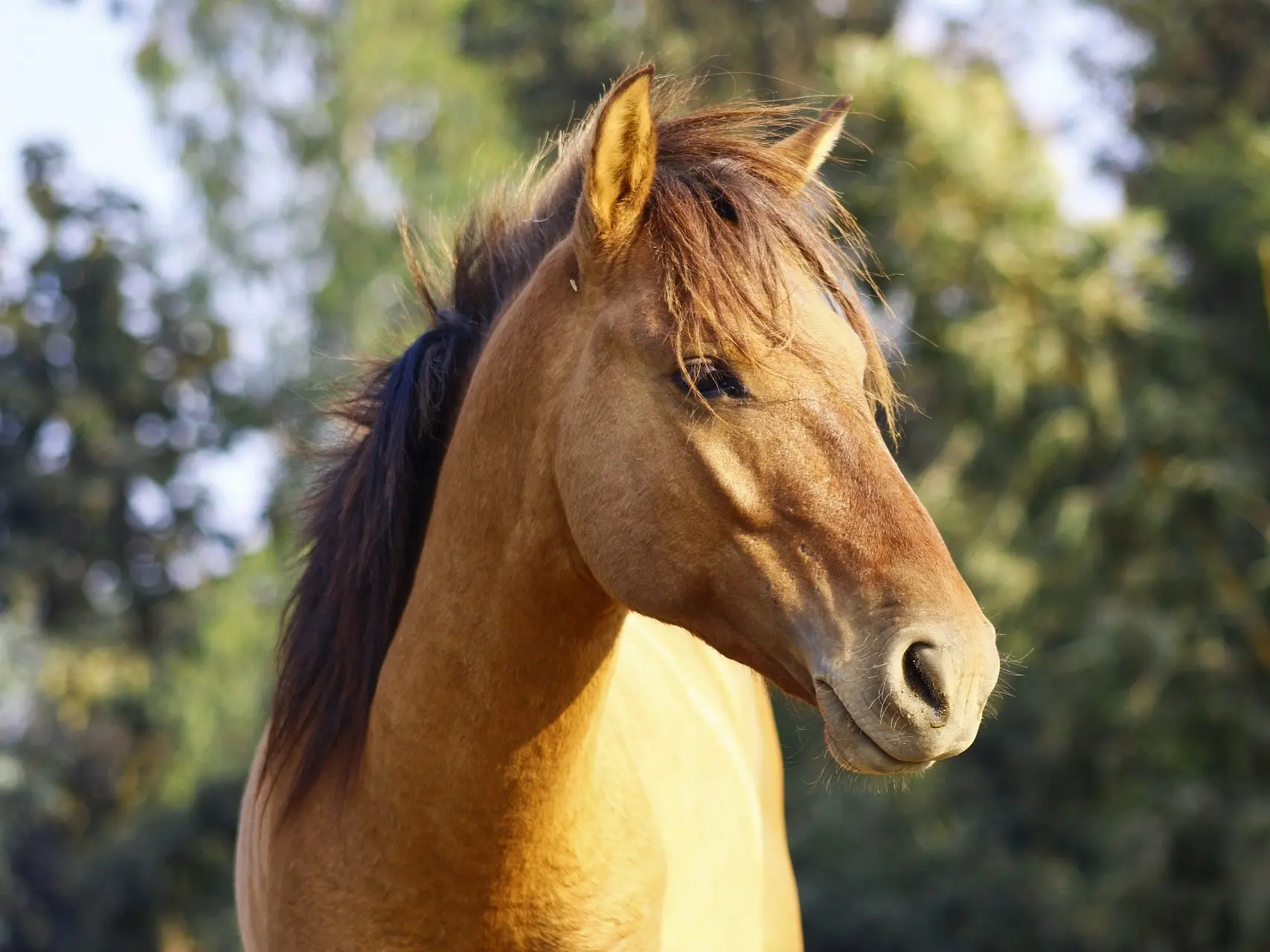 Sooty Modifier on Buckskin
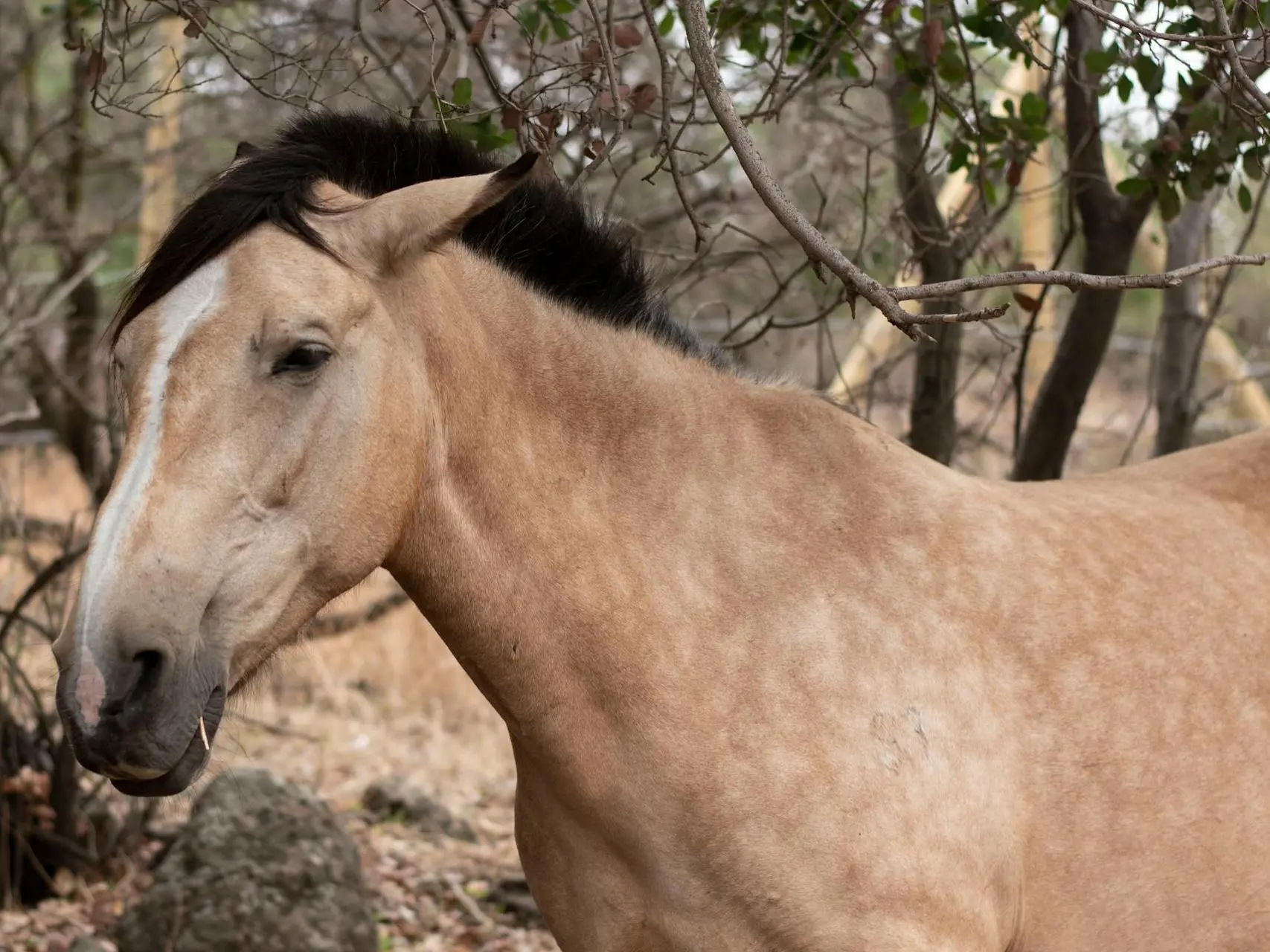 Single Cream Dilution
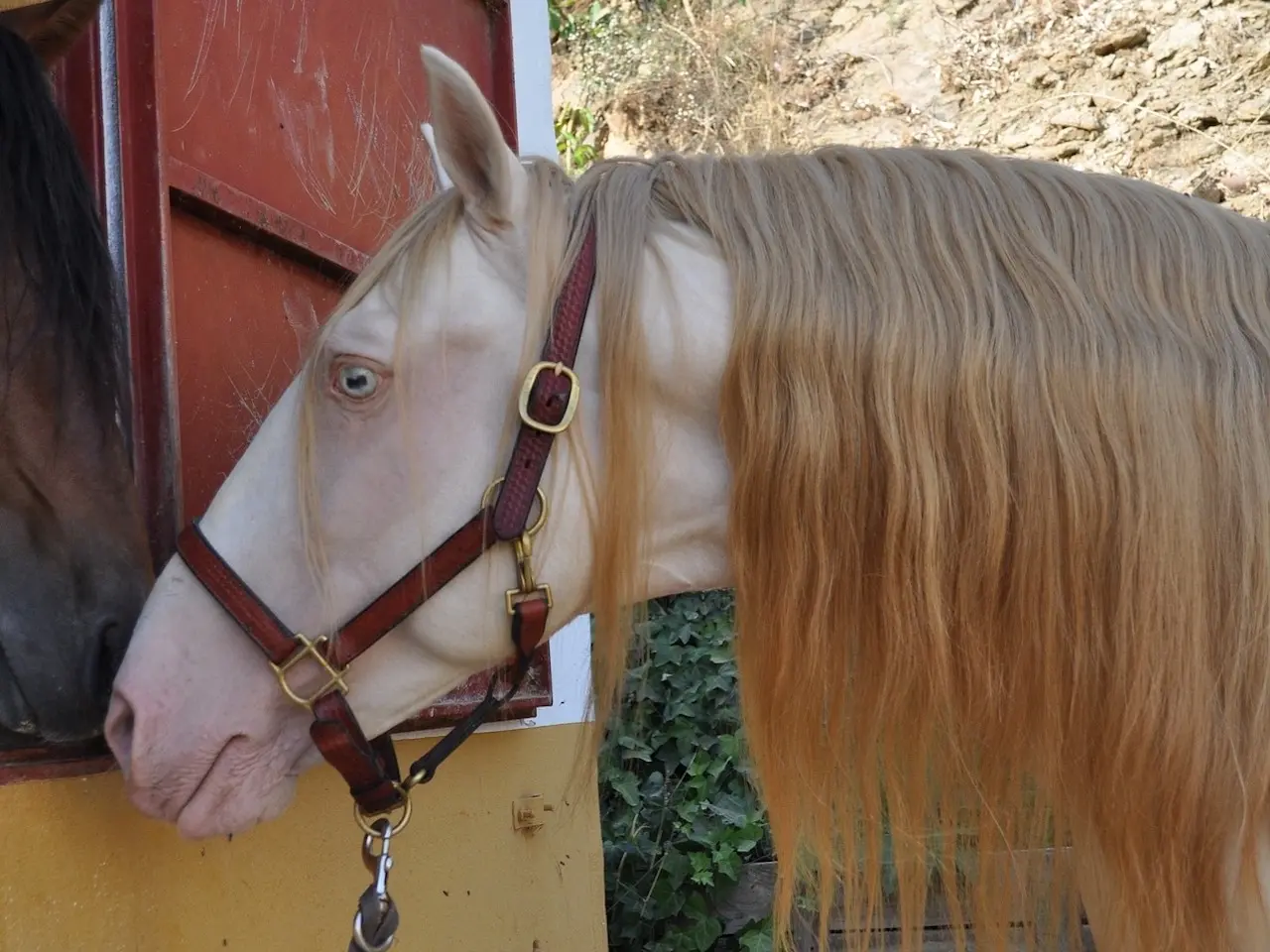 Double Cream Dilution
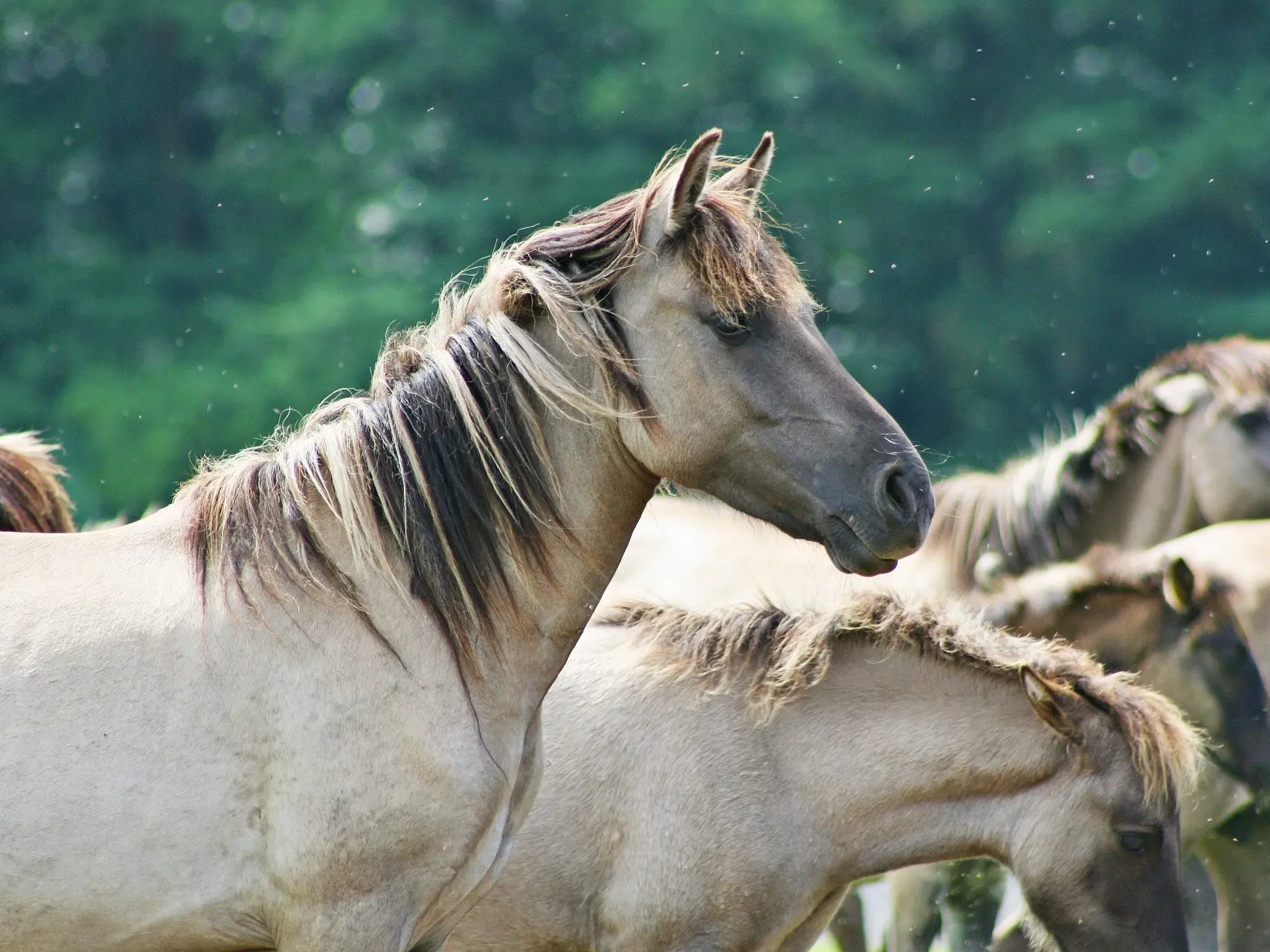 Dun Dilution
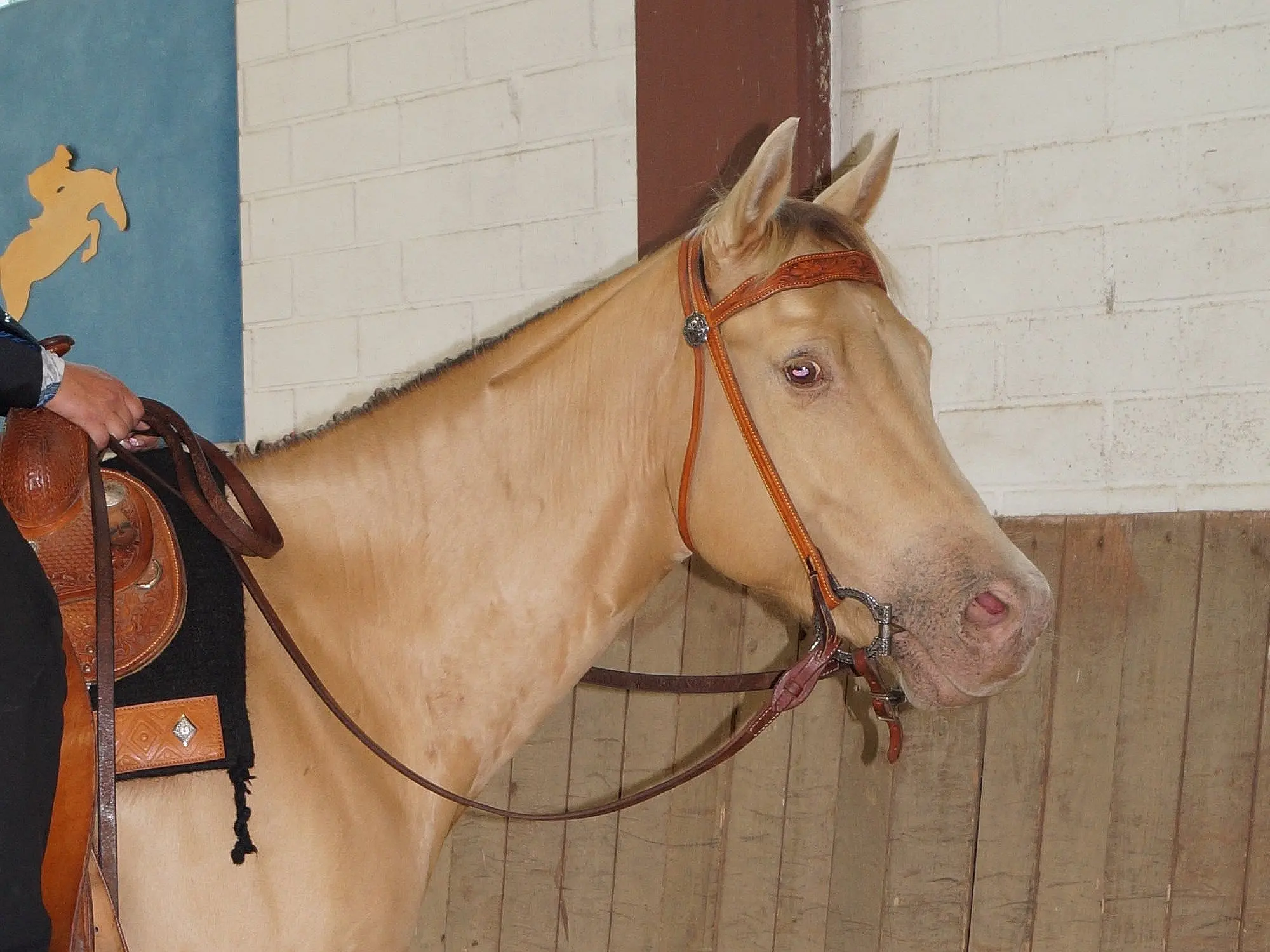 Champagne Dilution
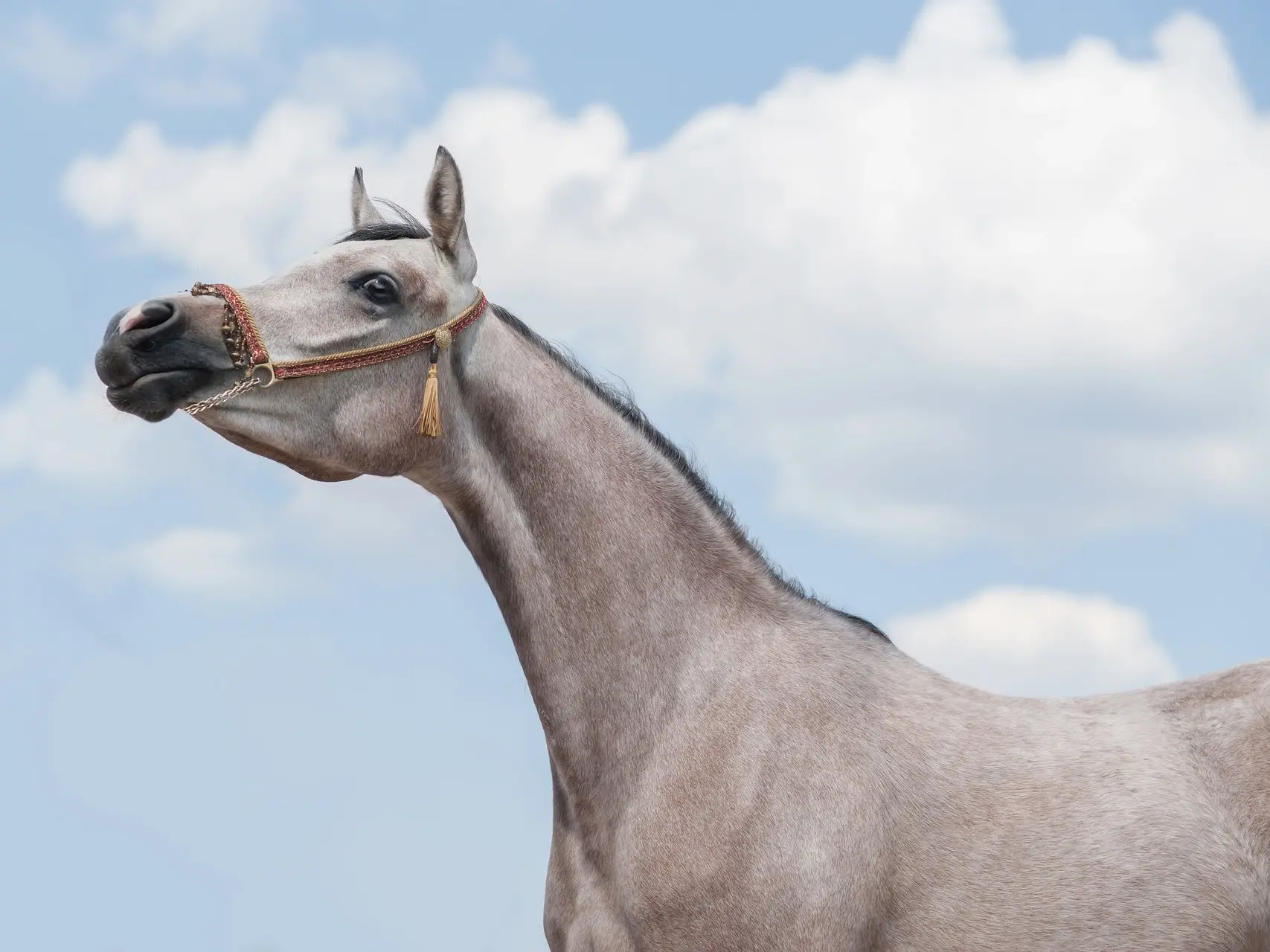 Grey White Pattern
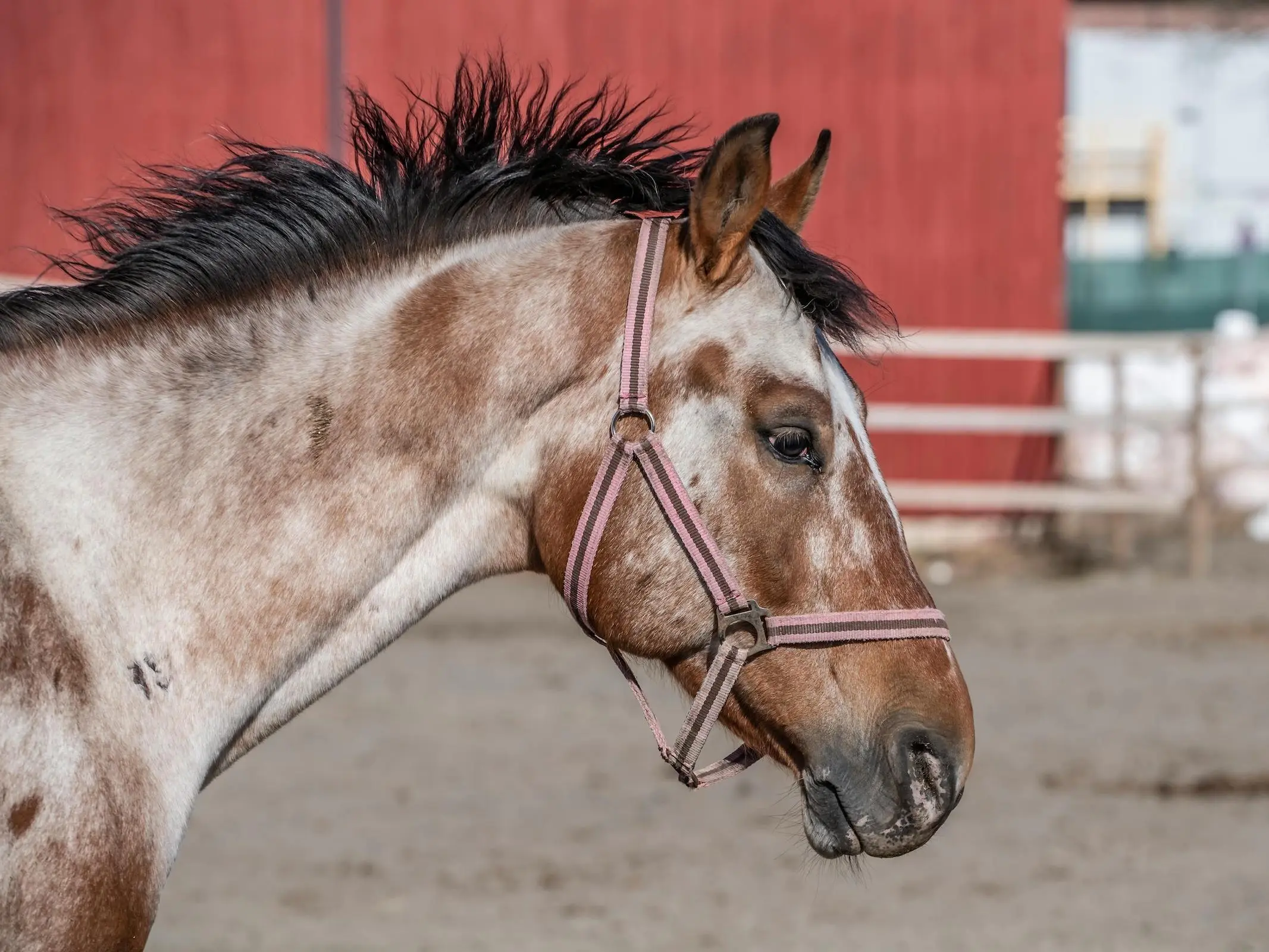 Appaloosa White Pattern
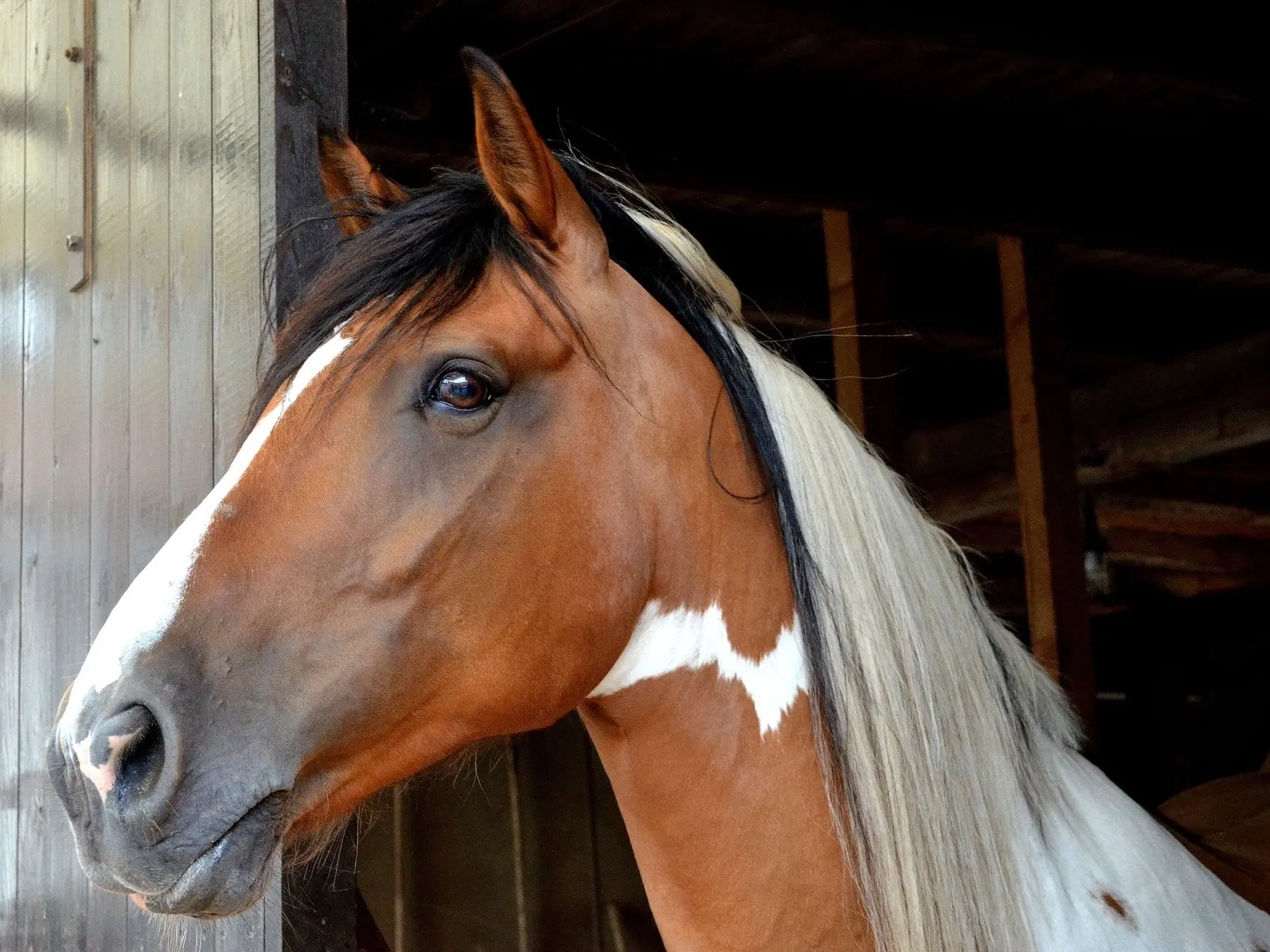 Pinto White Pattern
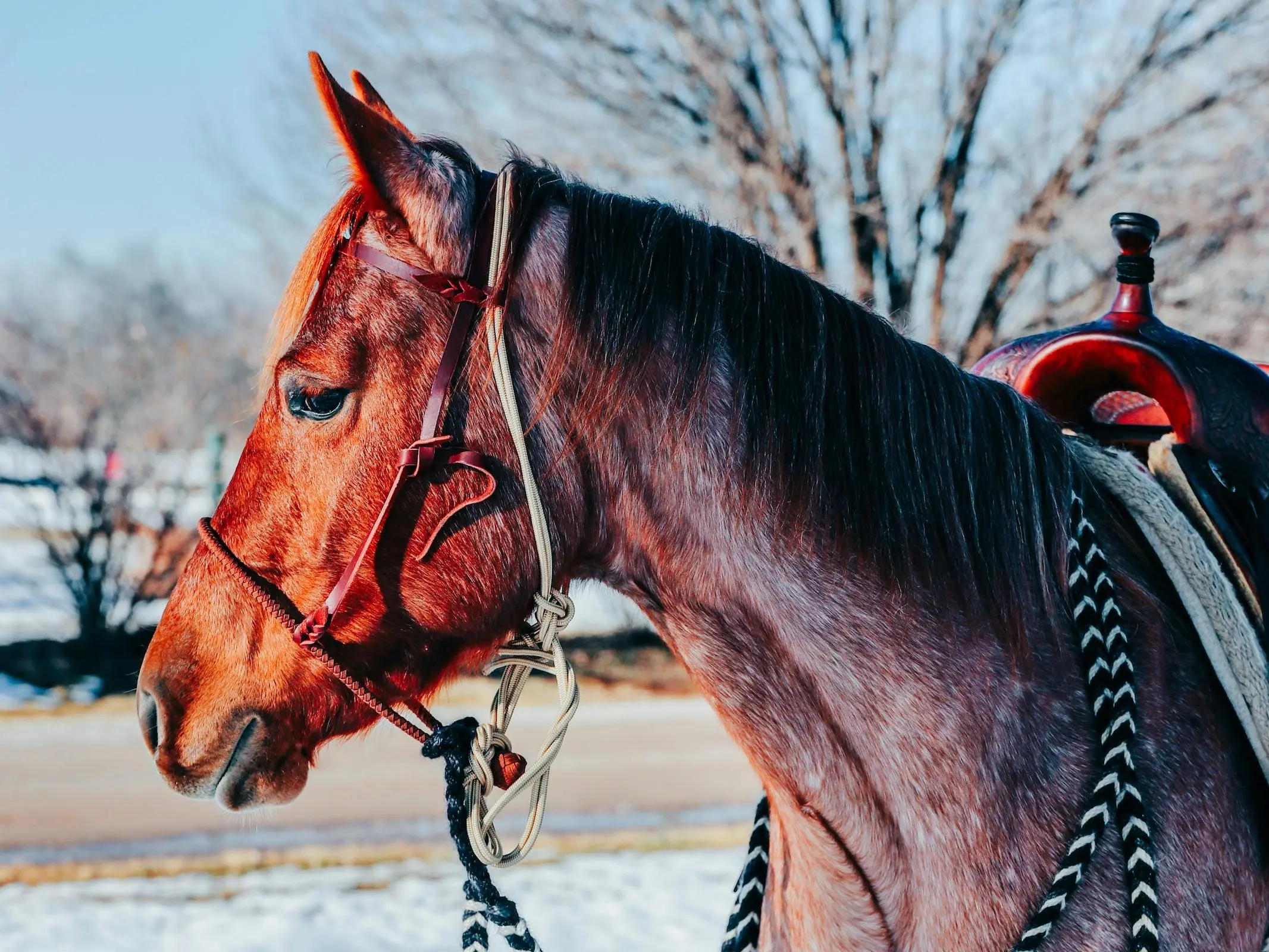 Roan White Pattern
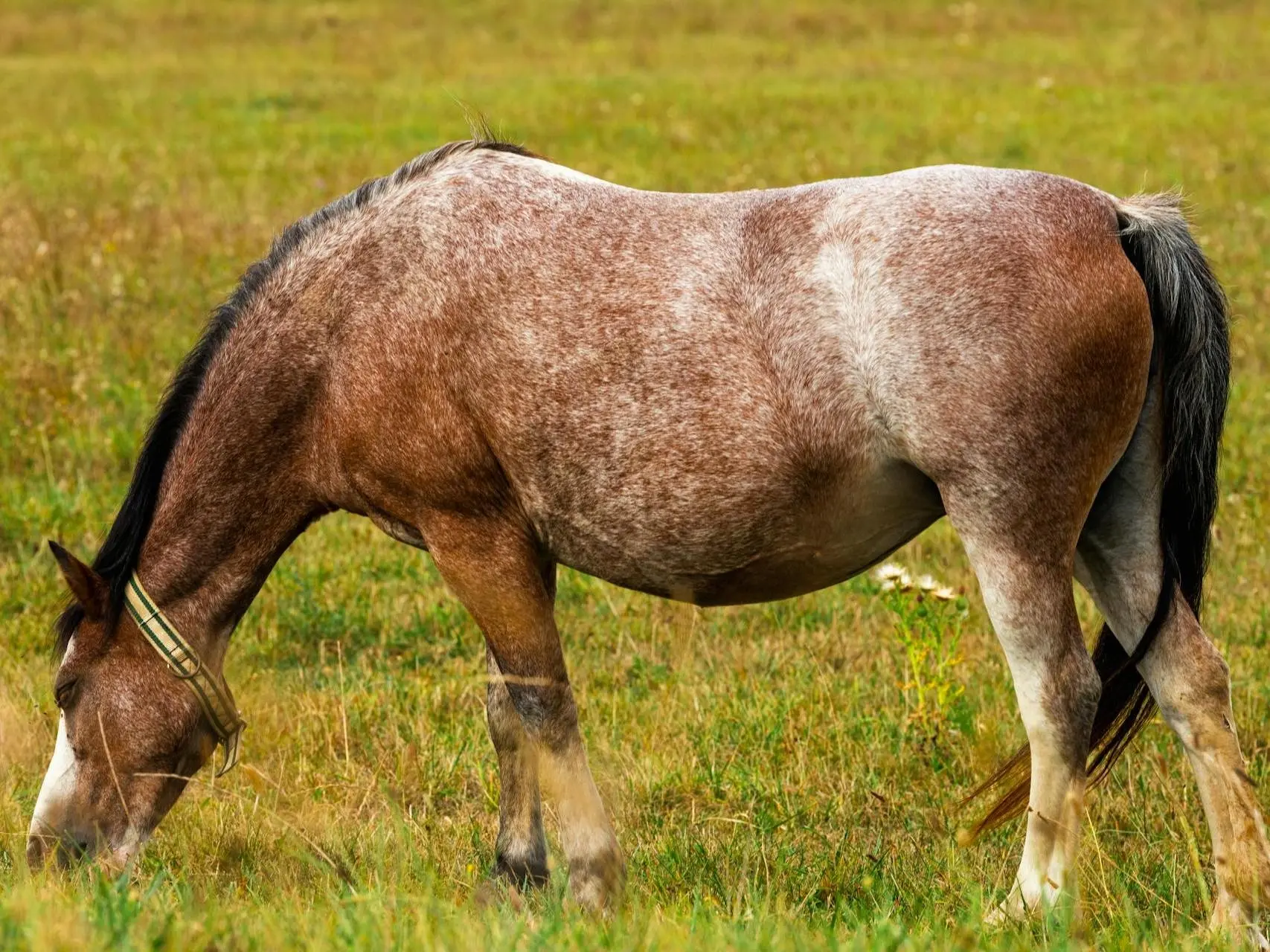 Rabicano White Pattern
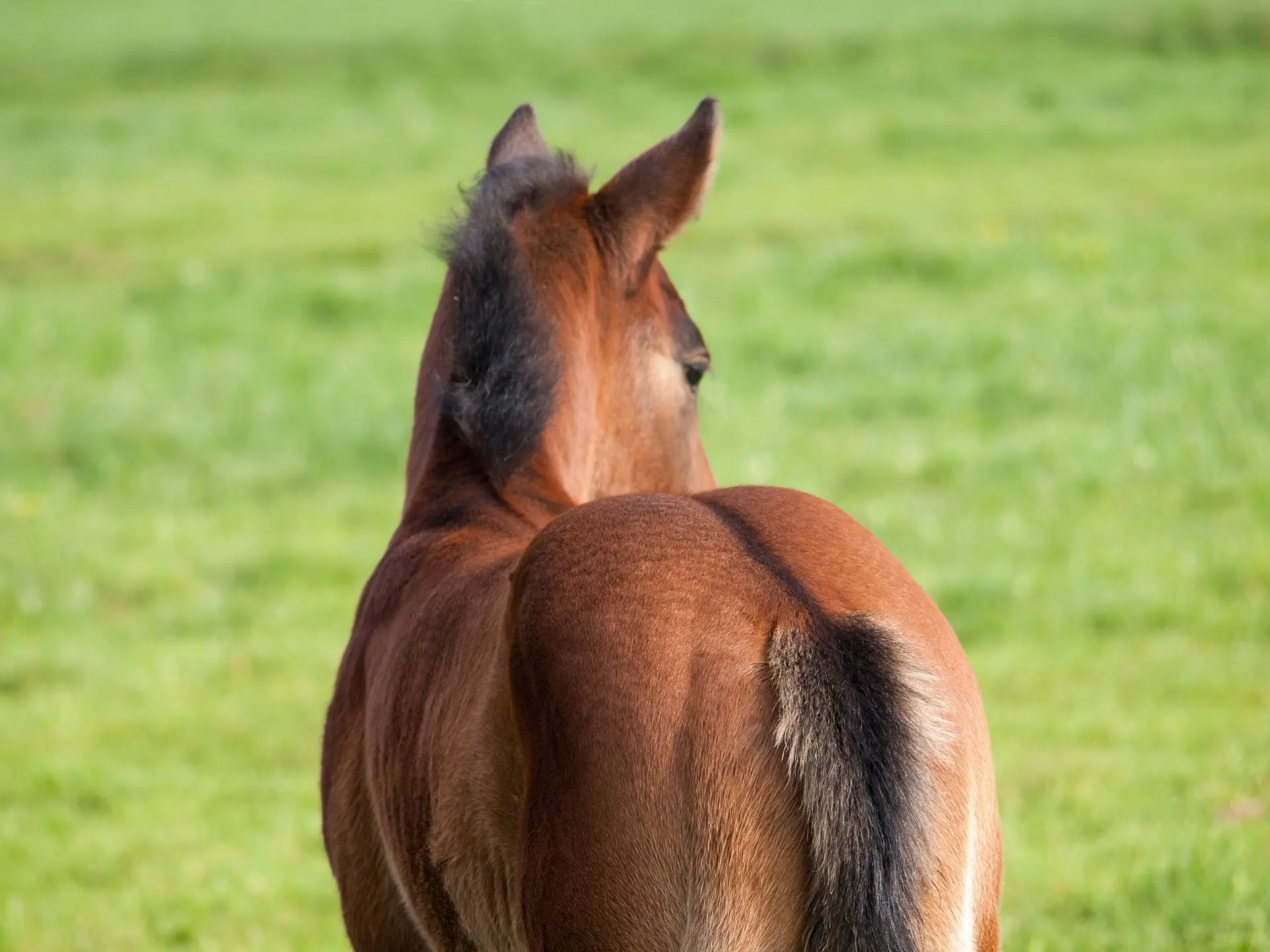 Dorsal Stripe
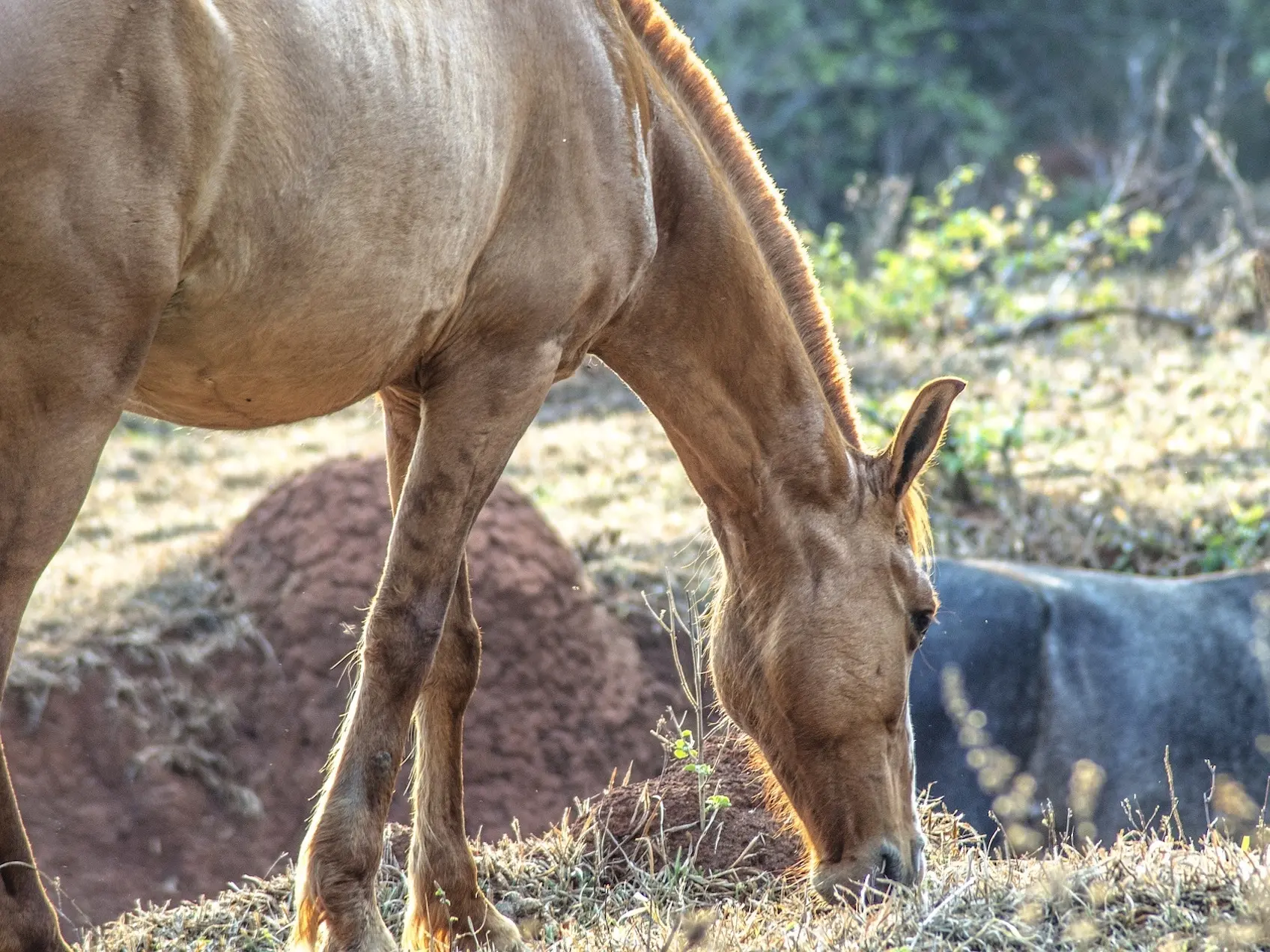 Leg Zebra Striping
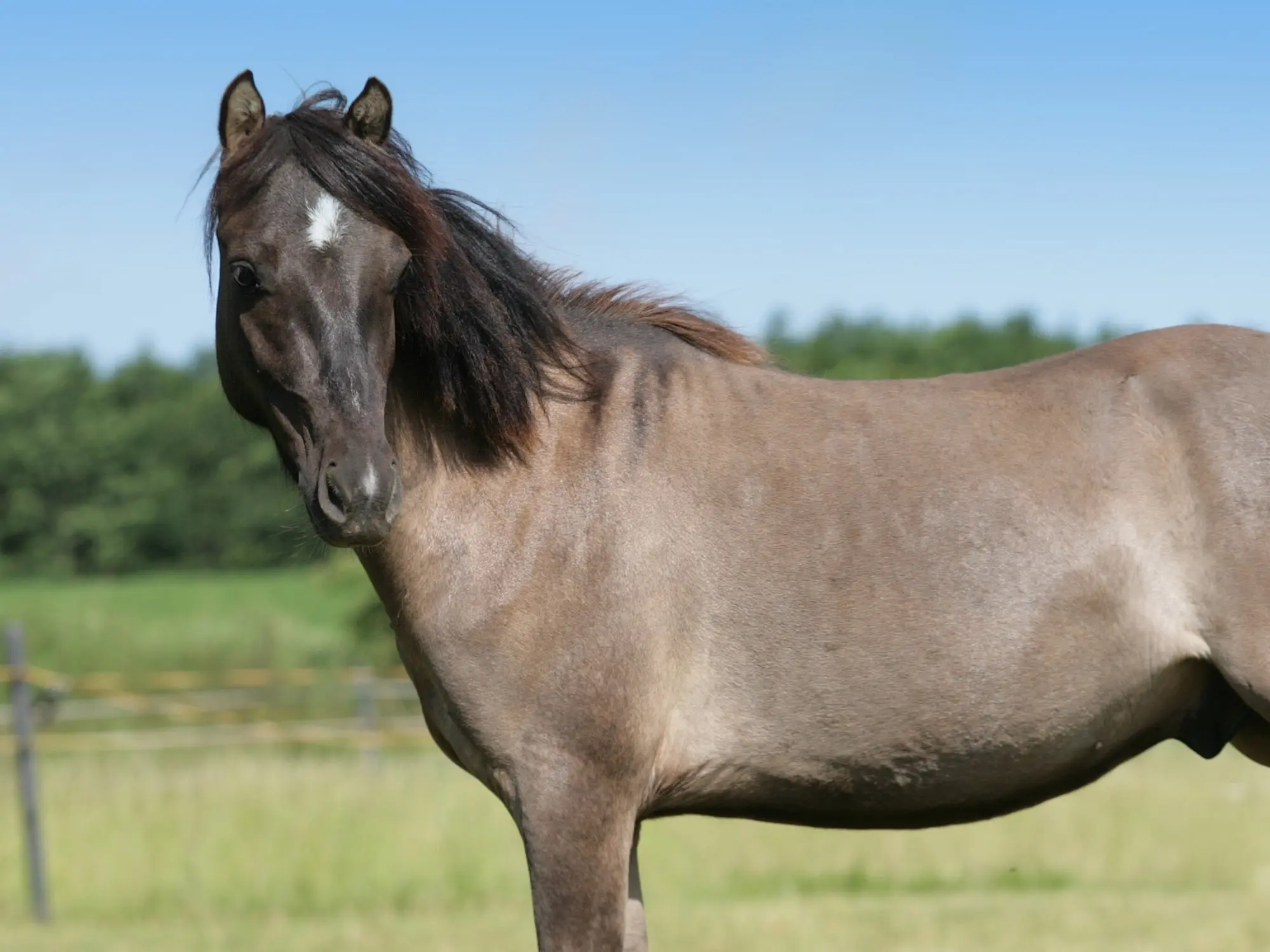 Shoulder Stripe
 Webbing
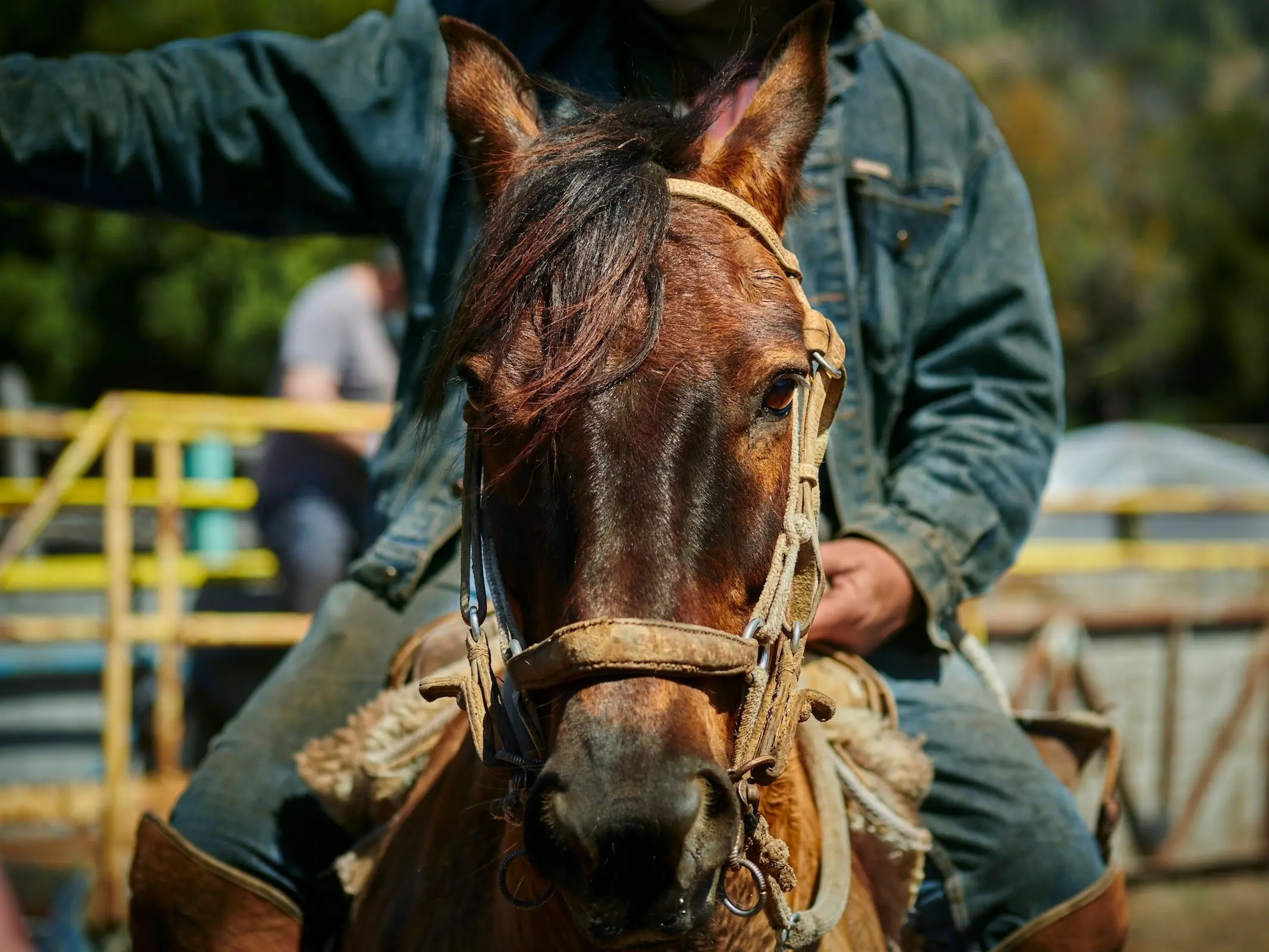 Face Mask
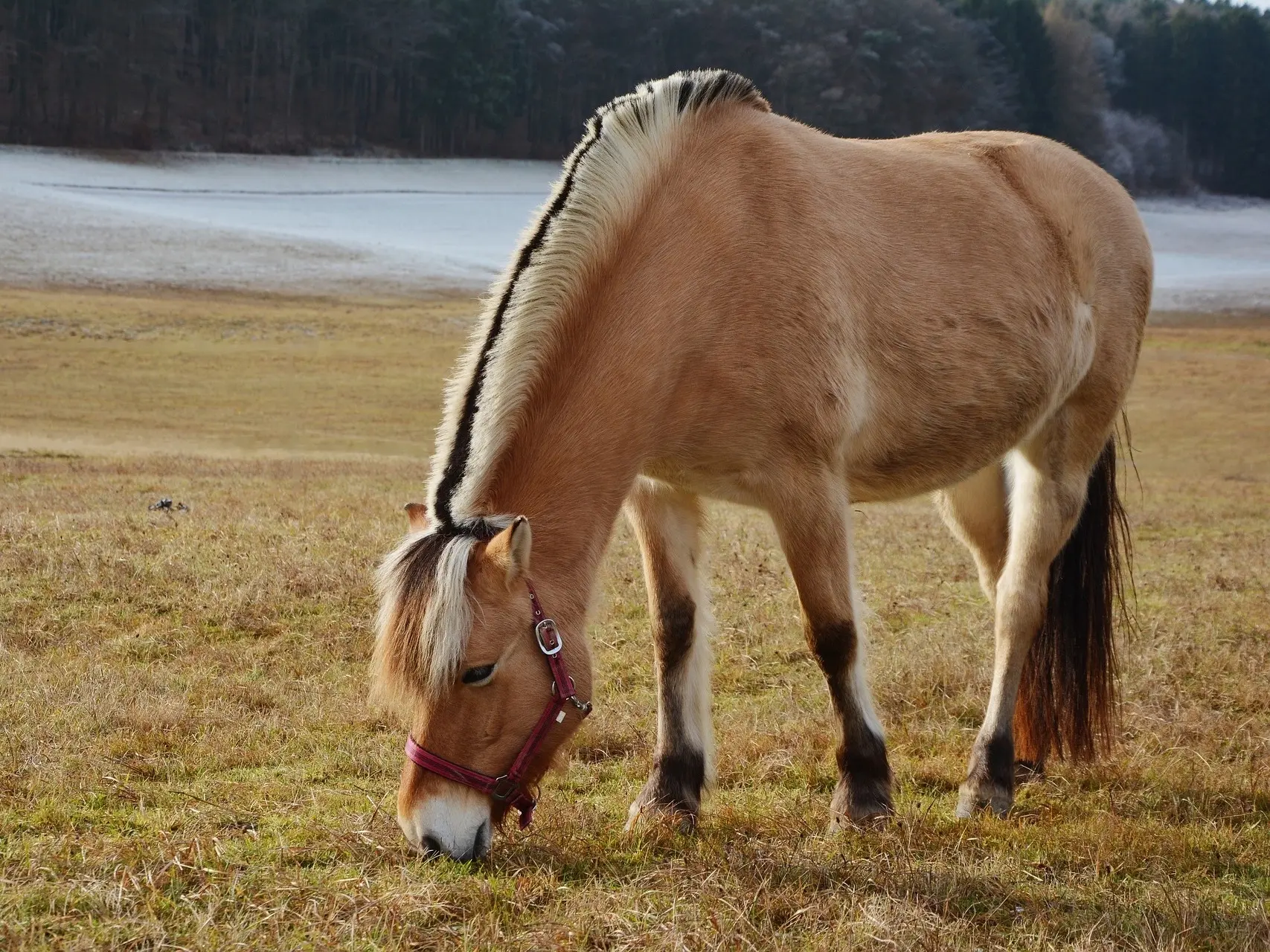 Sandwich Mane
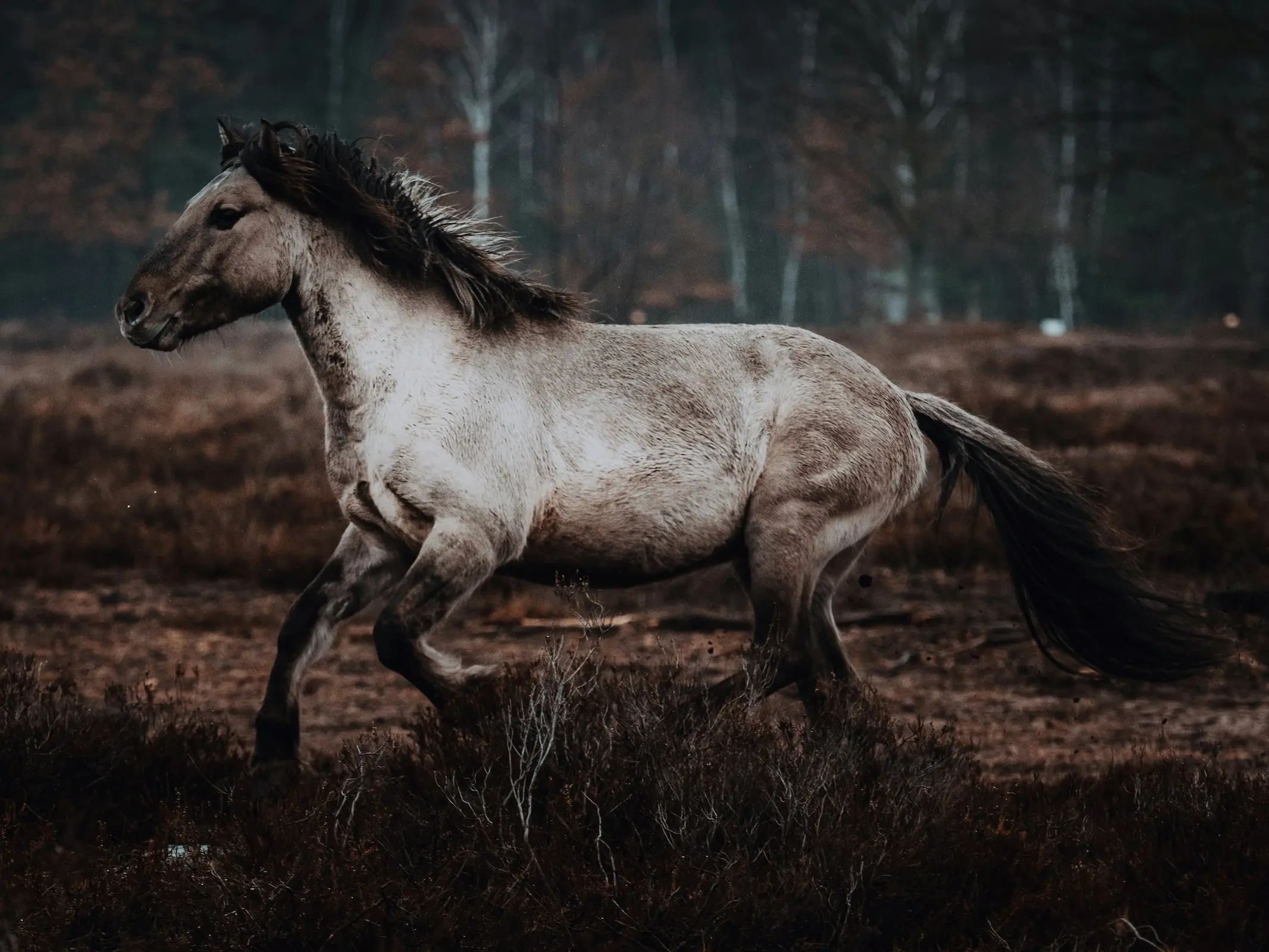 Black Base
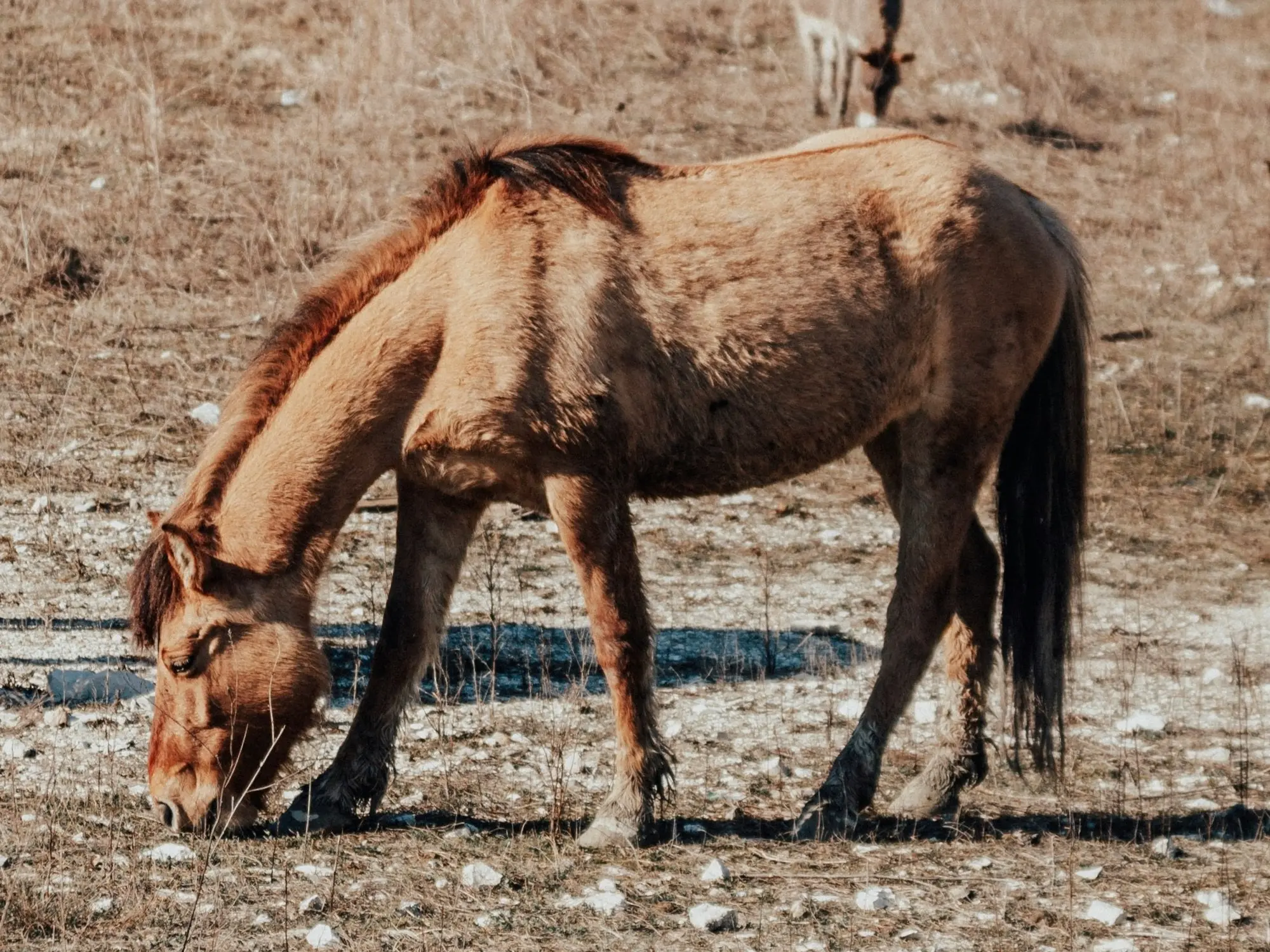 Chestnut Base
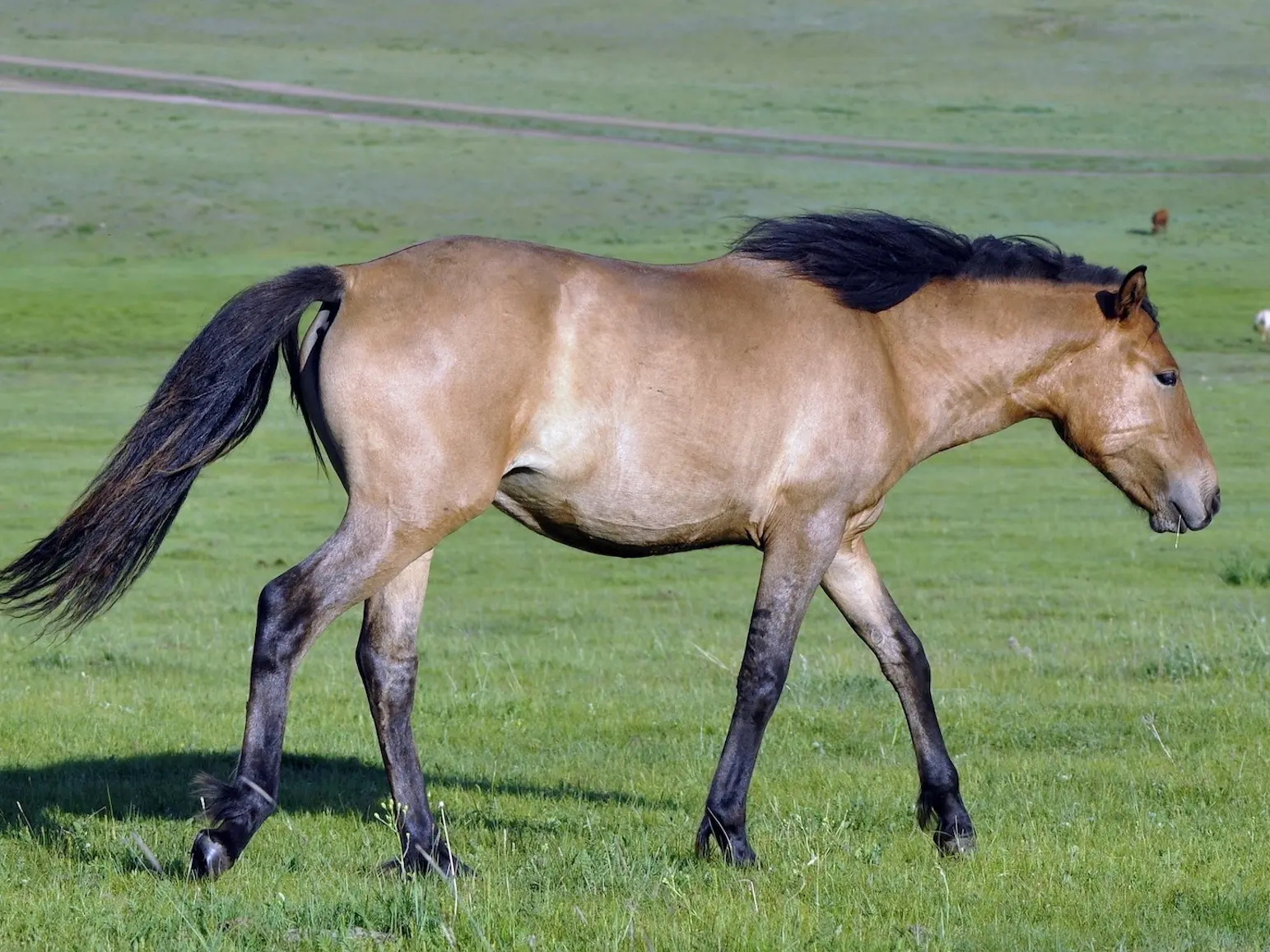 Bay Base
 Seal Base
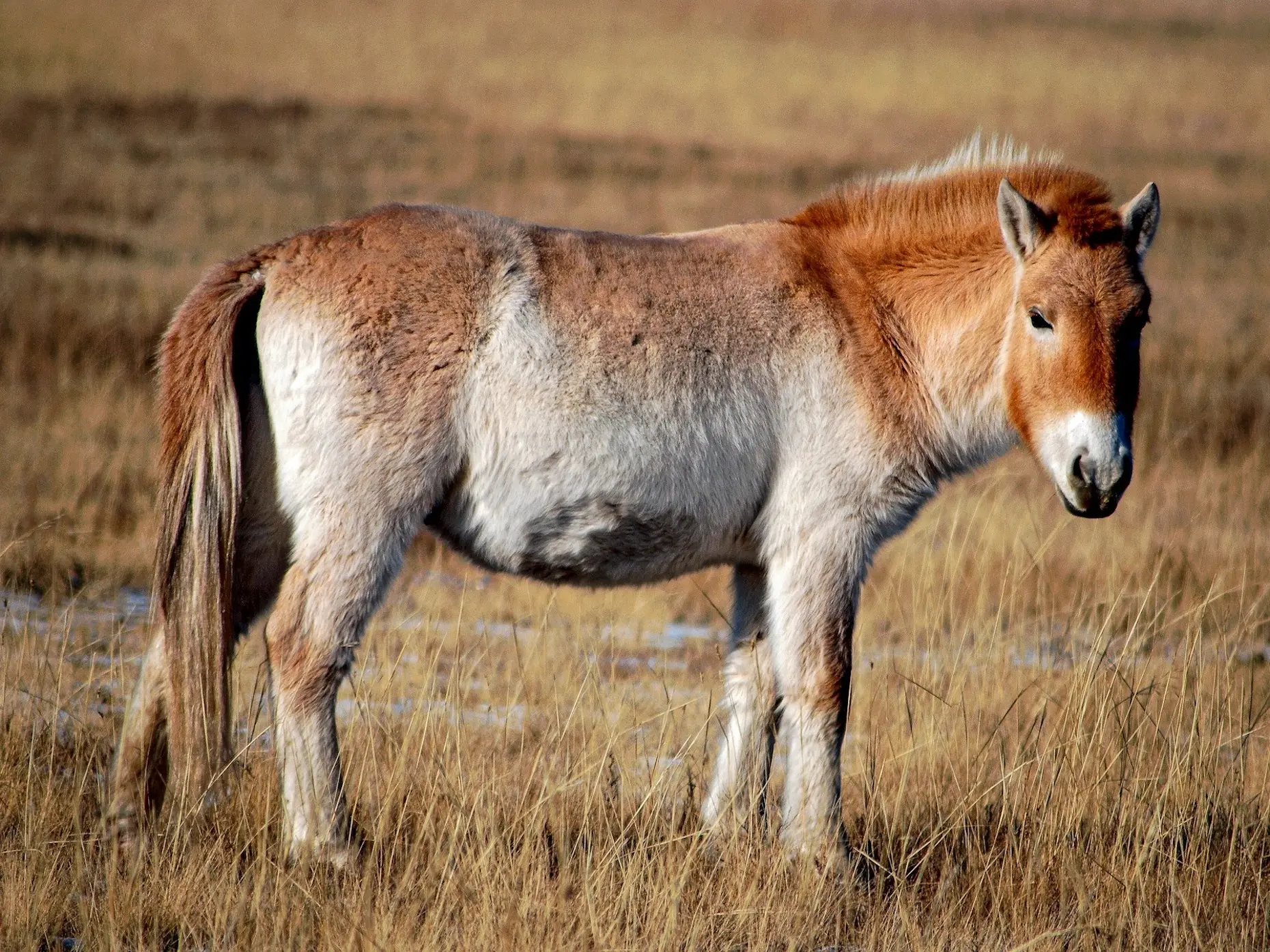 Pangare Modifier
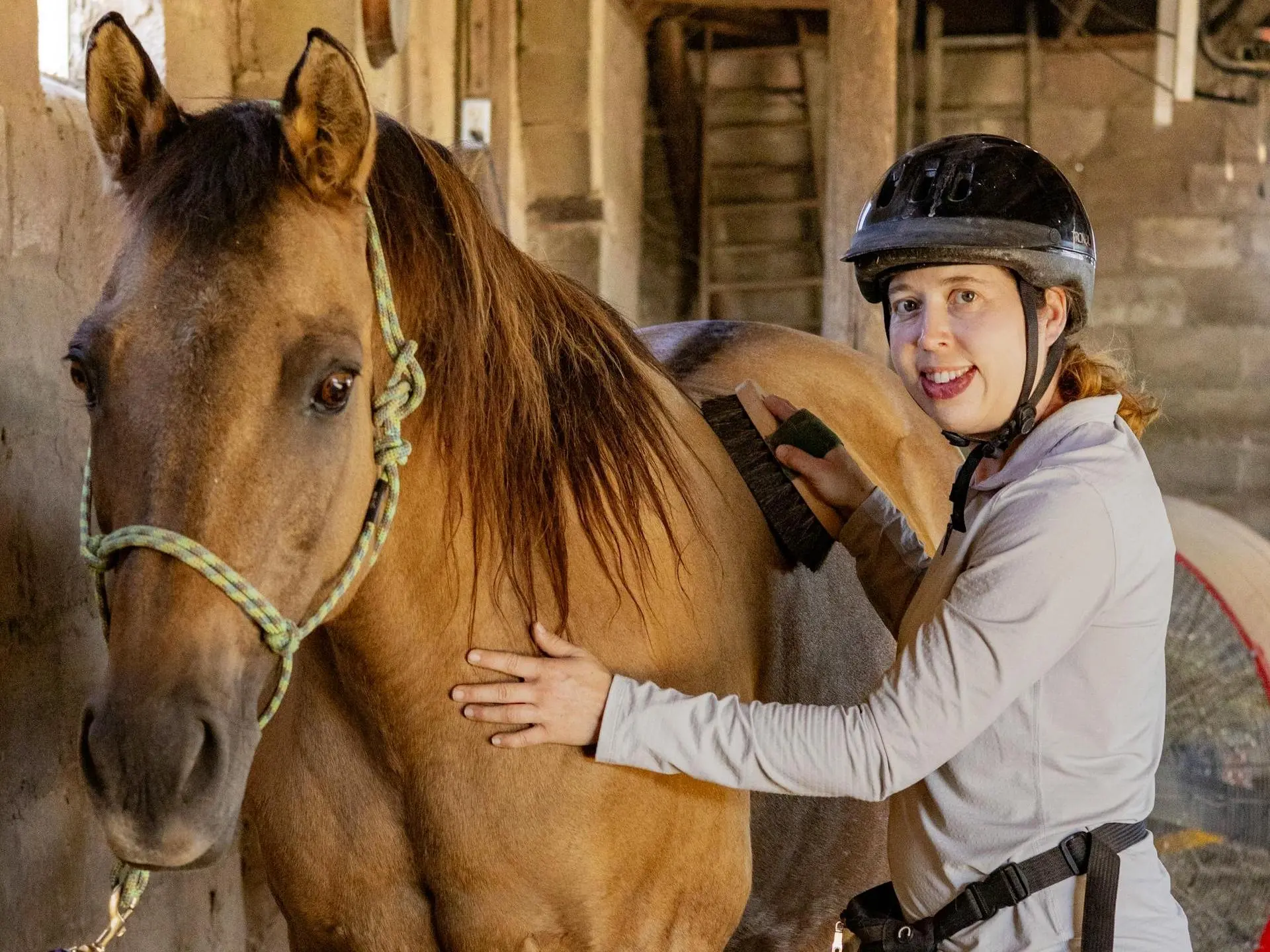 Champagne Dilution
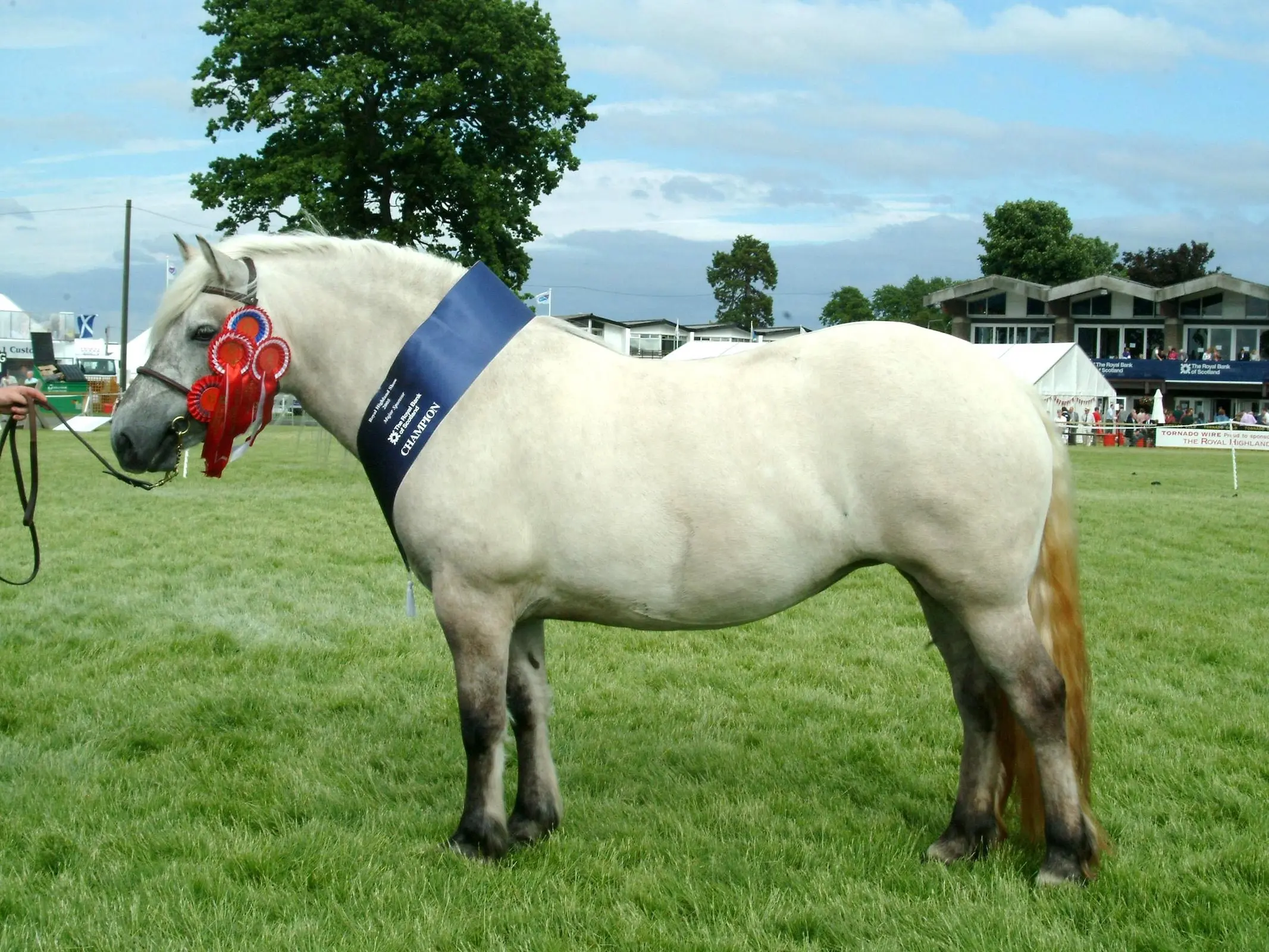 Cream Dilution
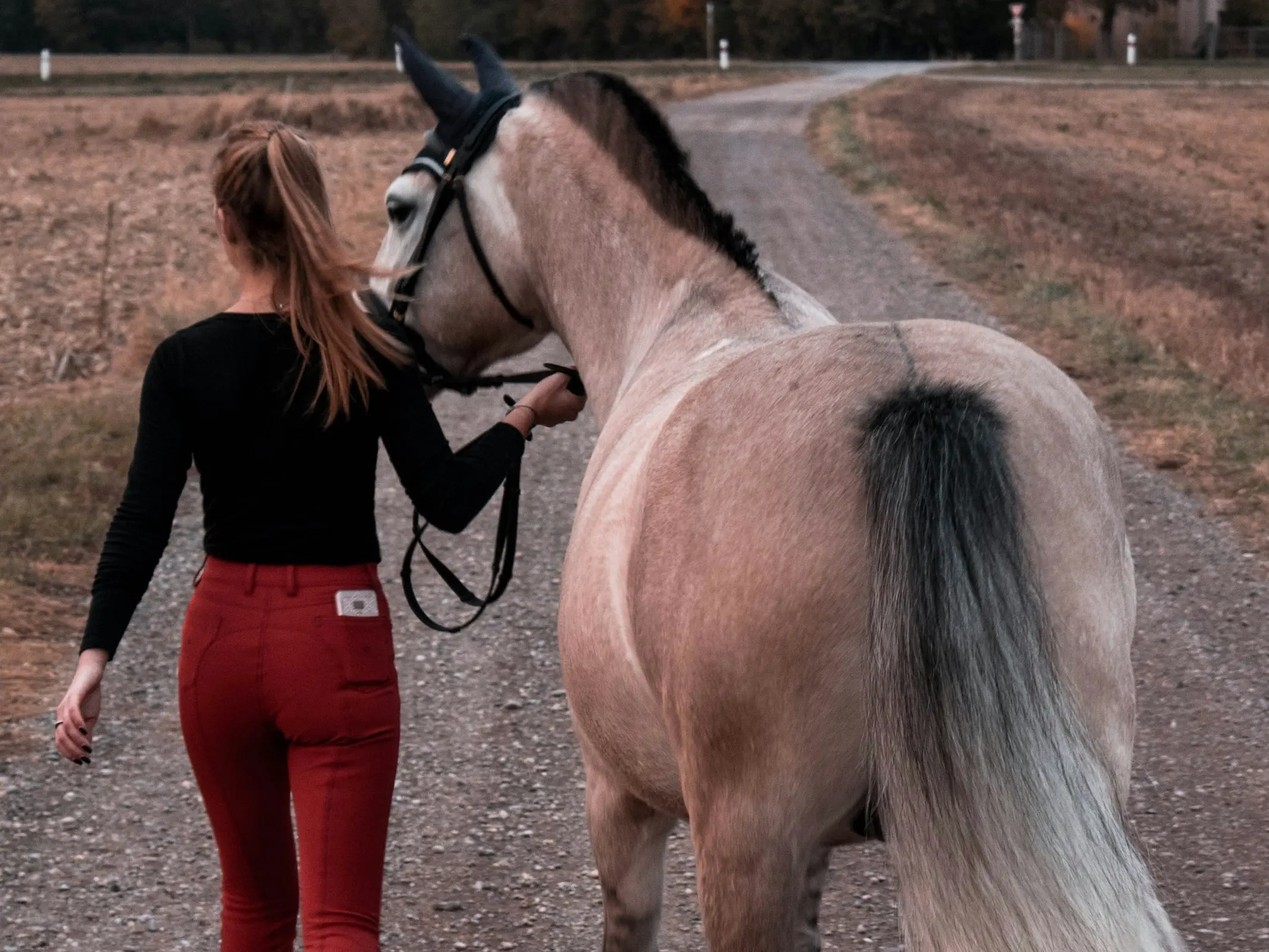 Grey
Grey Roan
Roan Pinto
Pinto Appaloosa
 Chestnut Base
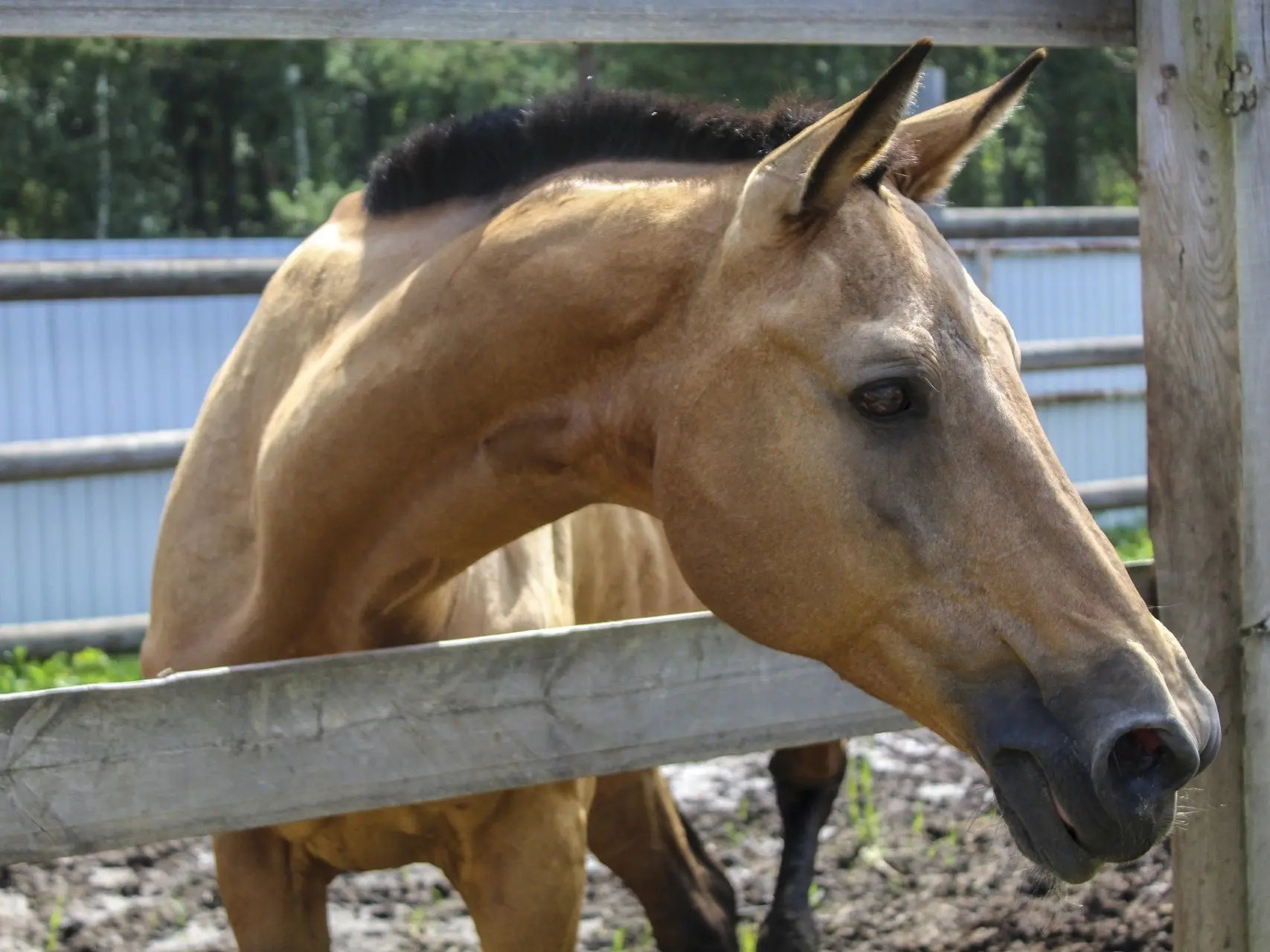 Bay Base
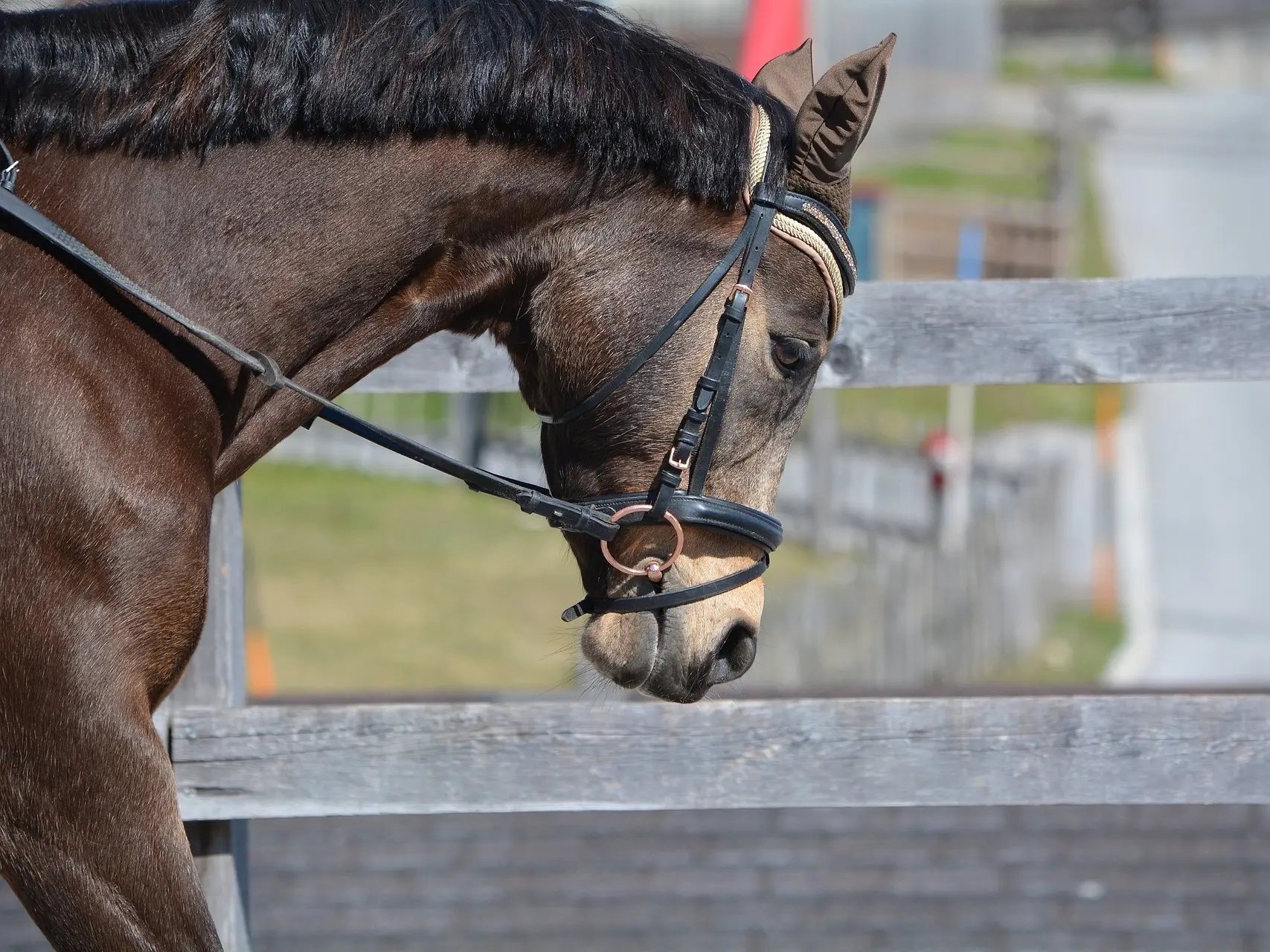 Brown Base
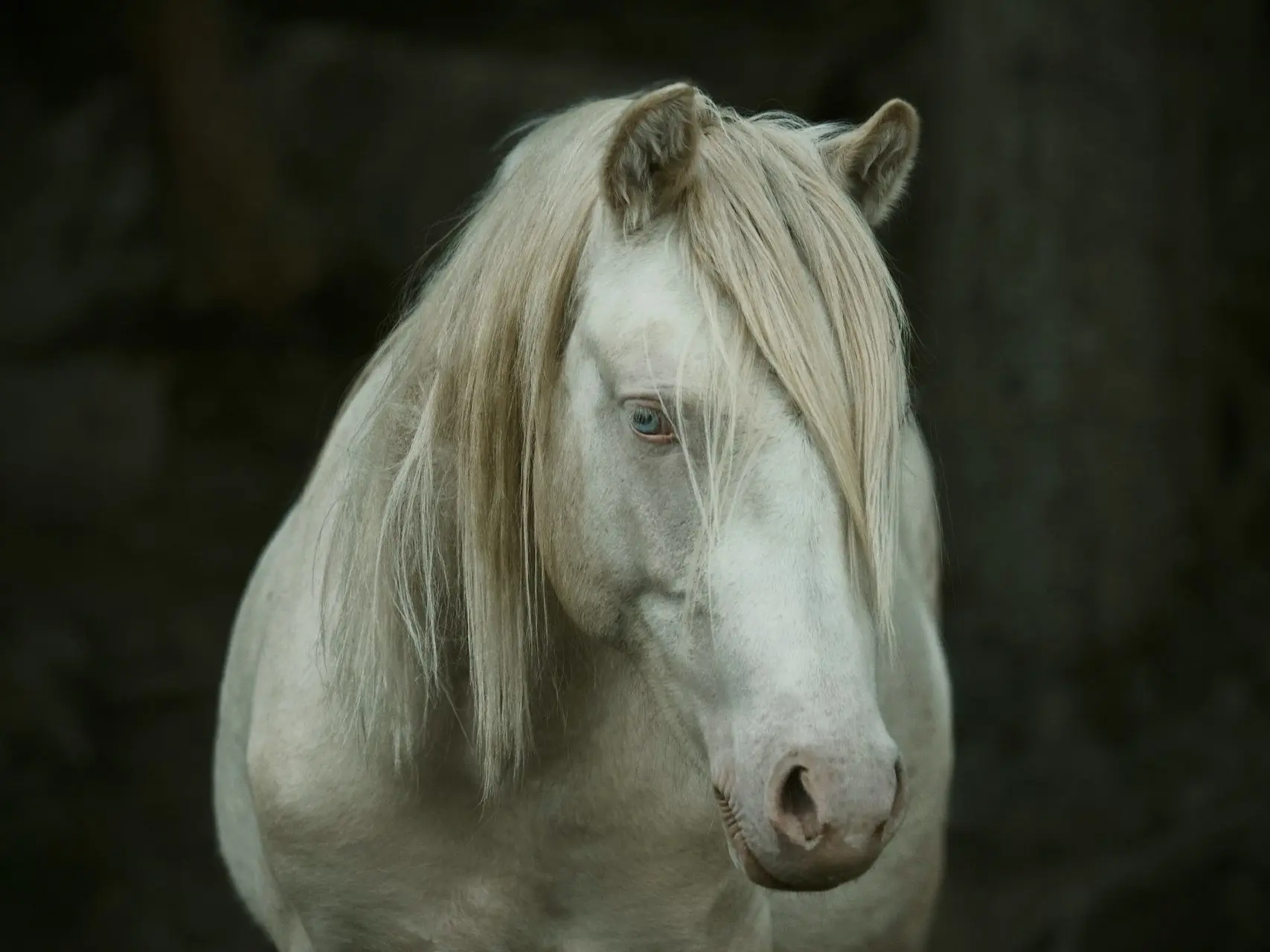 Black Base
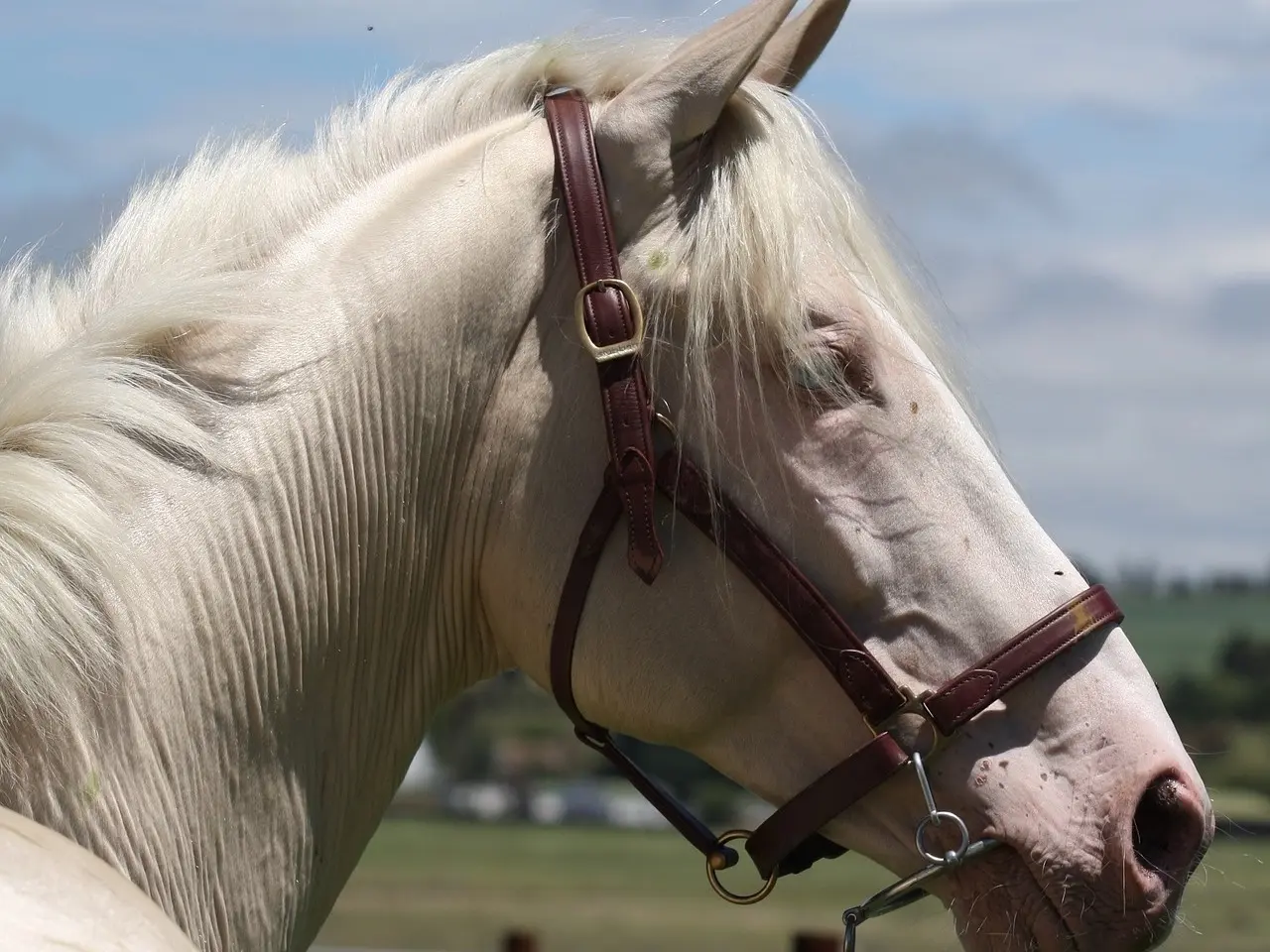 Chestnut Base
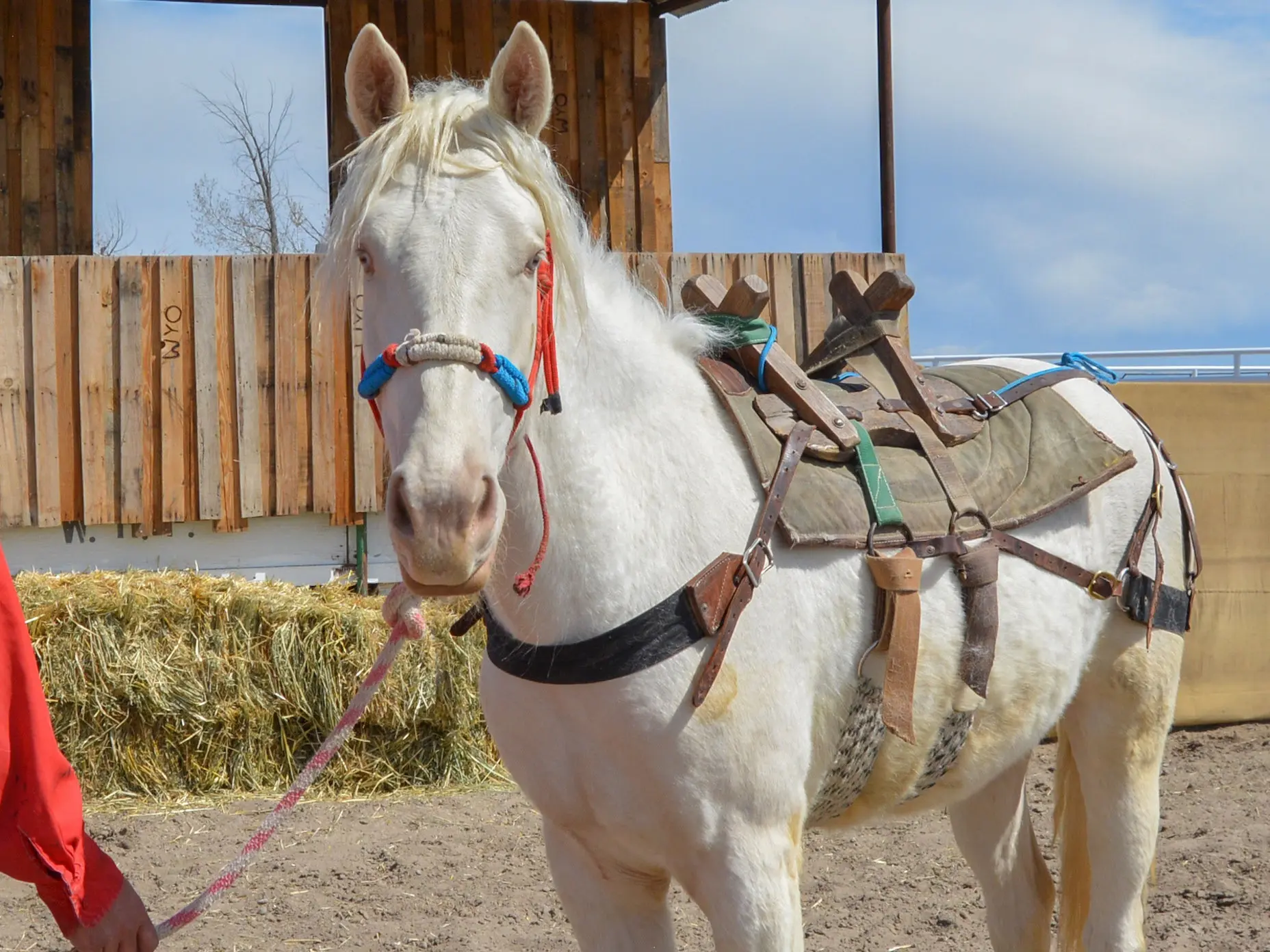 Seal Base
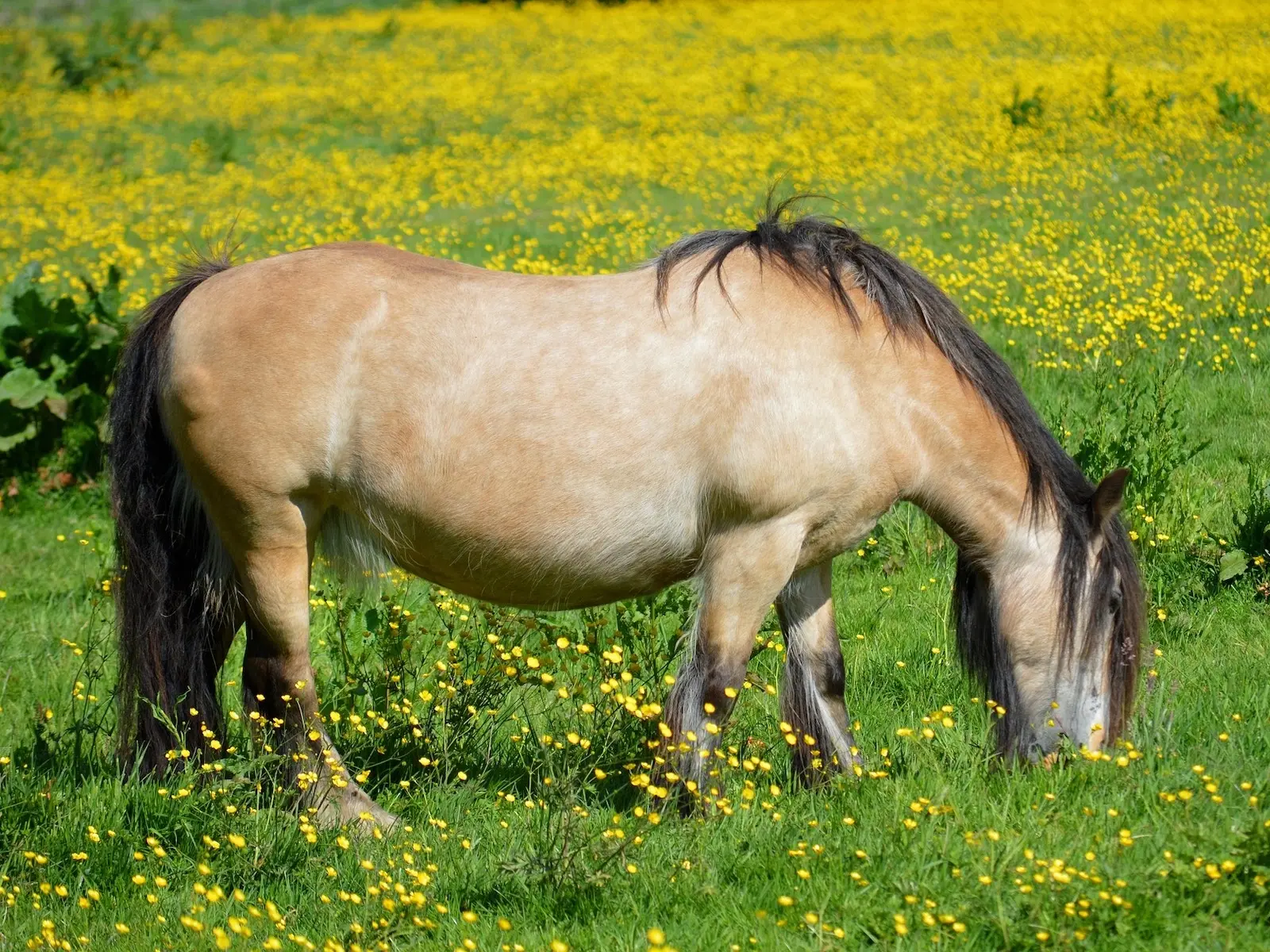 Roan
Roan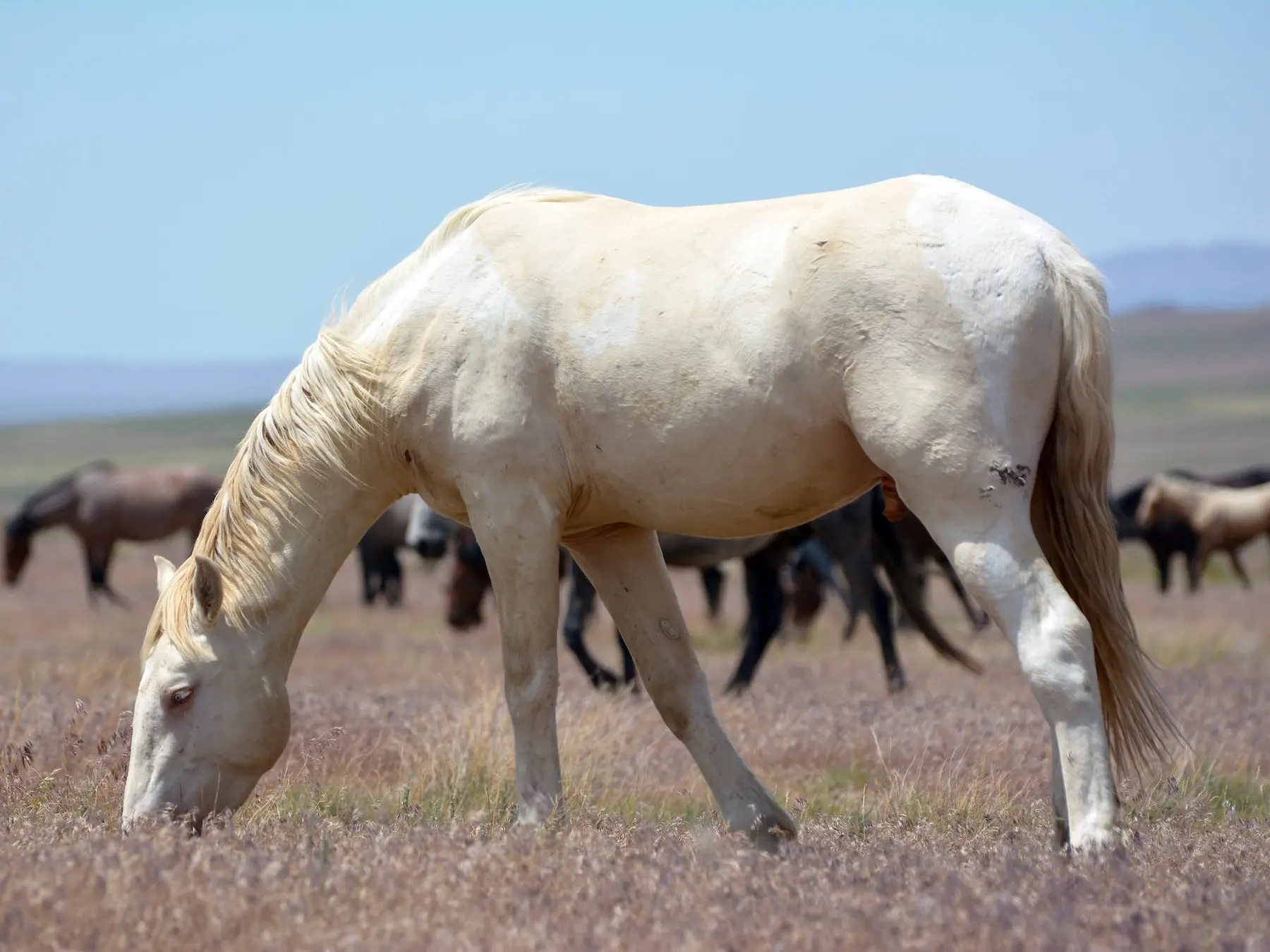 Pinto
Pinto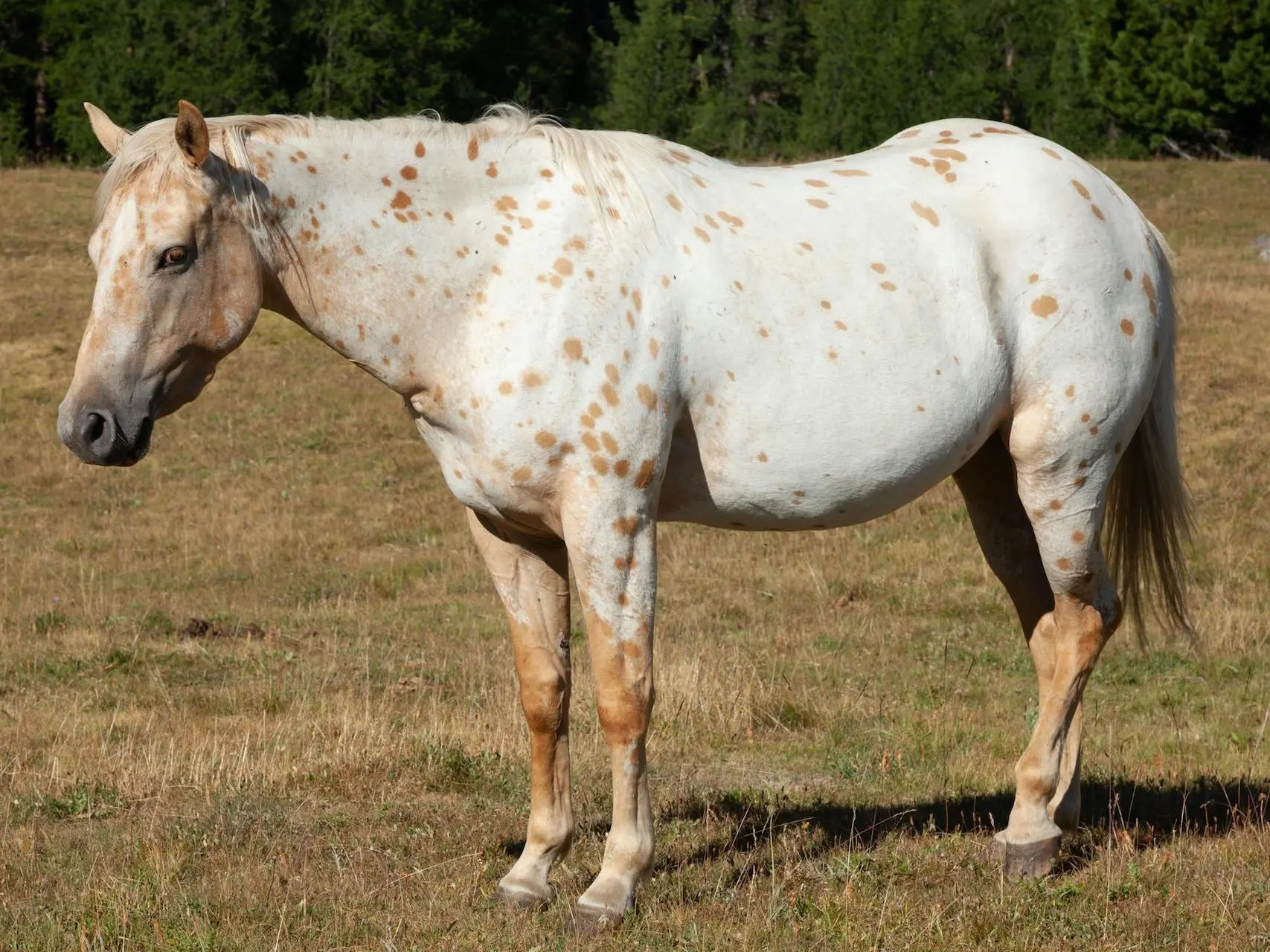 Appaloosa