Names
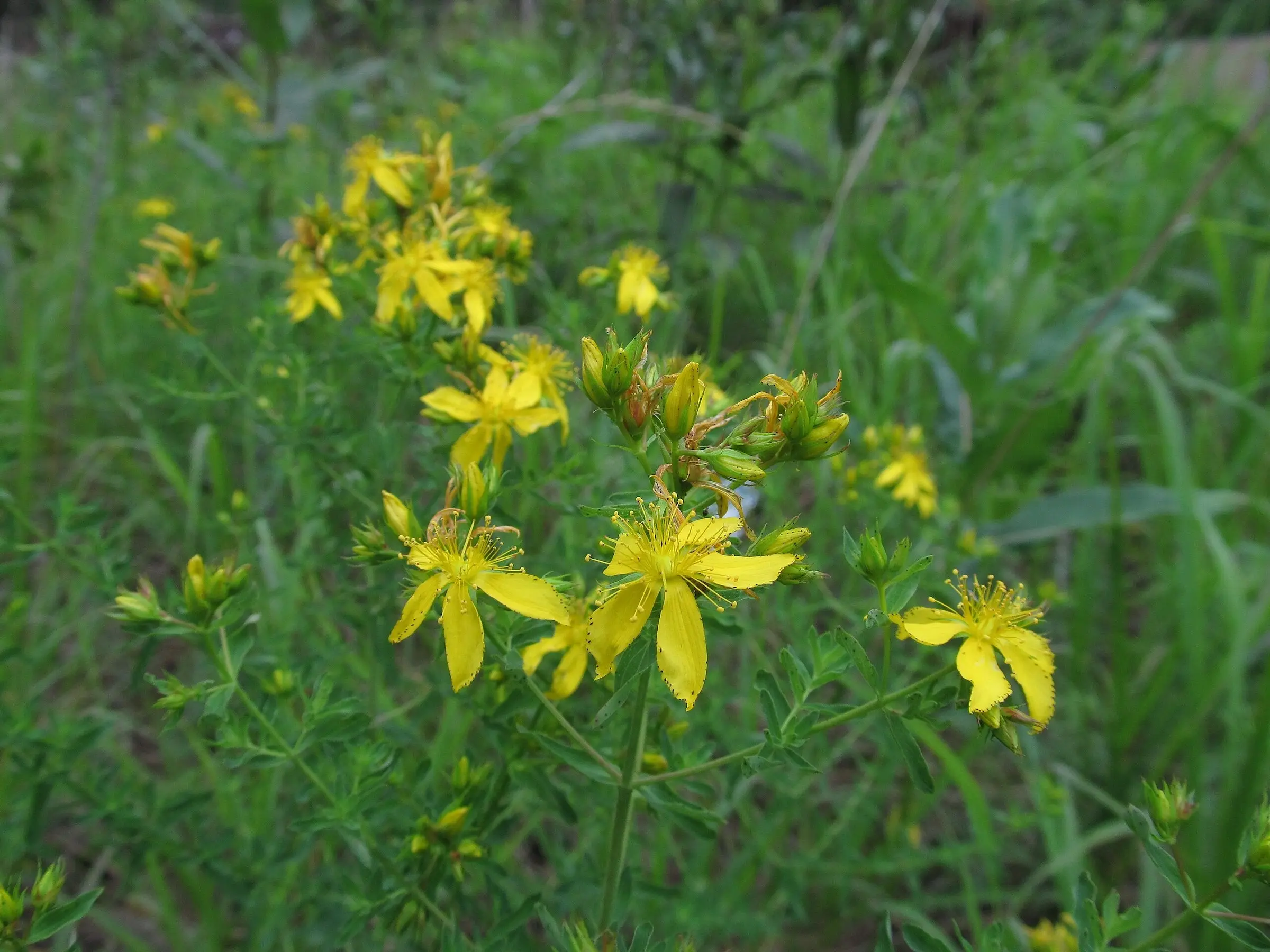
Hypericum perforatum, Klamathweed, Goatweed
Description
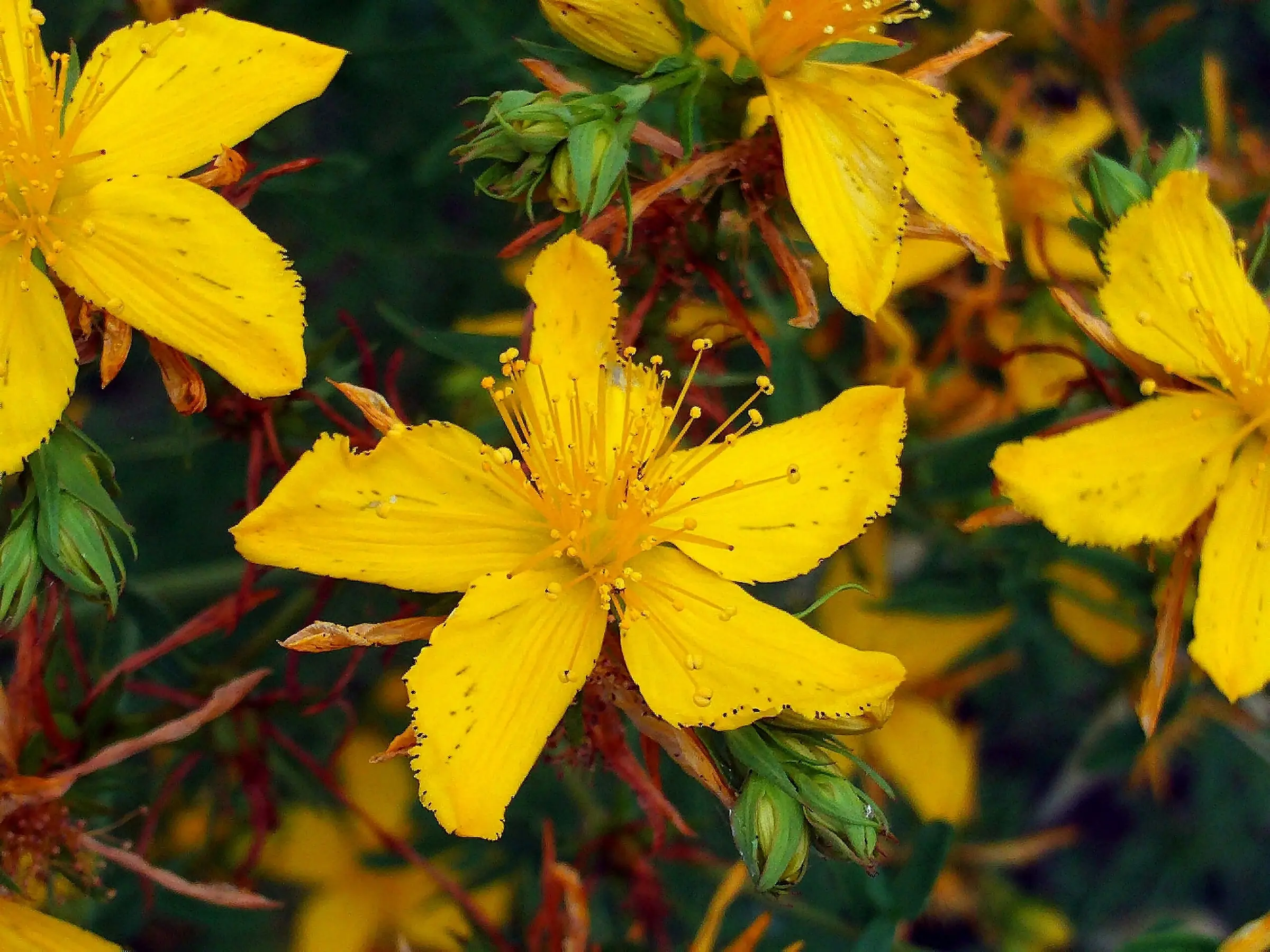
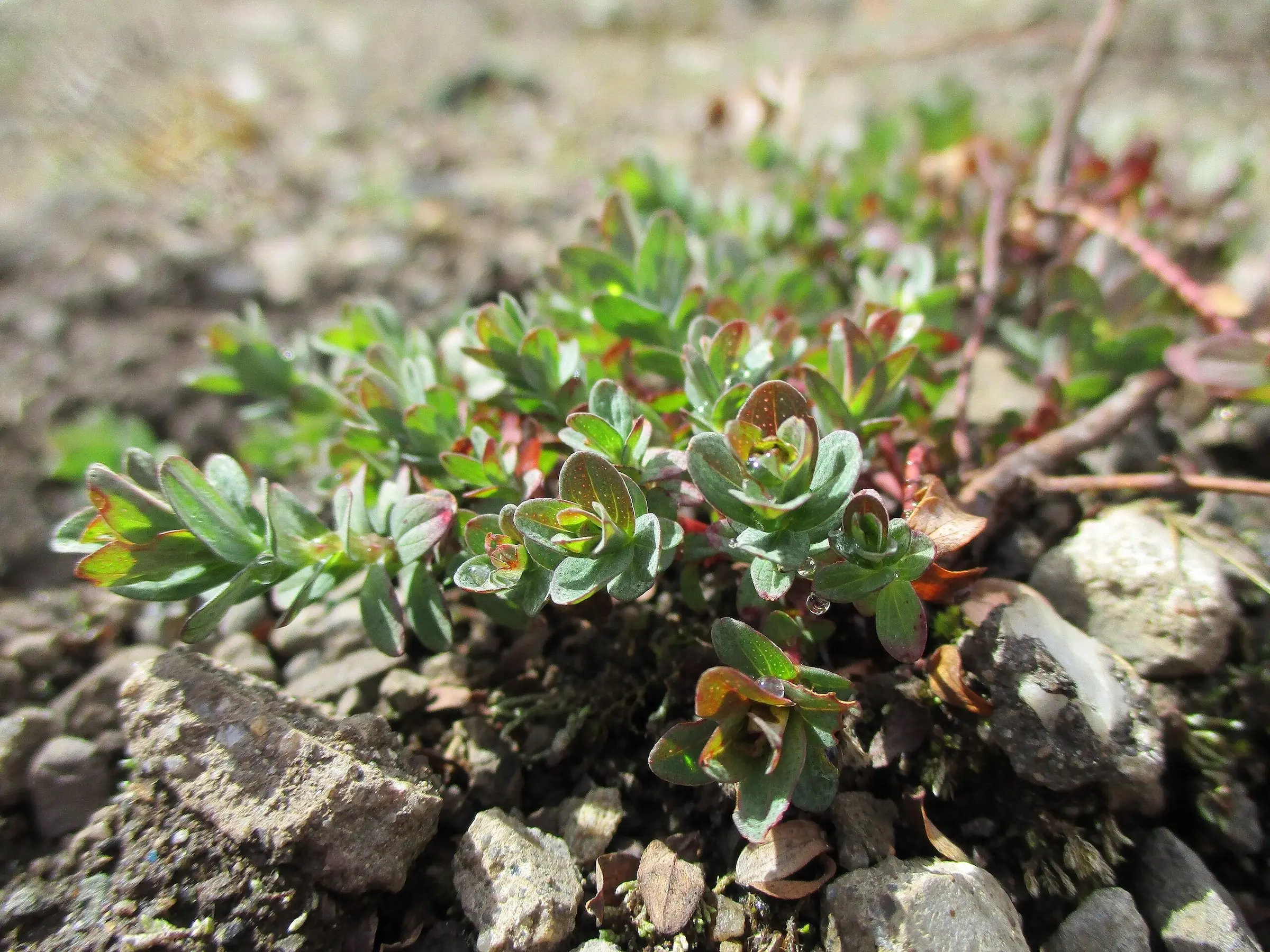
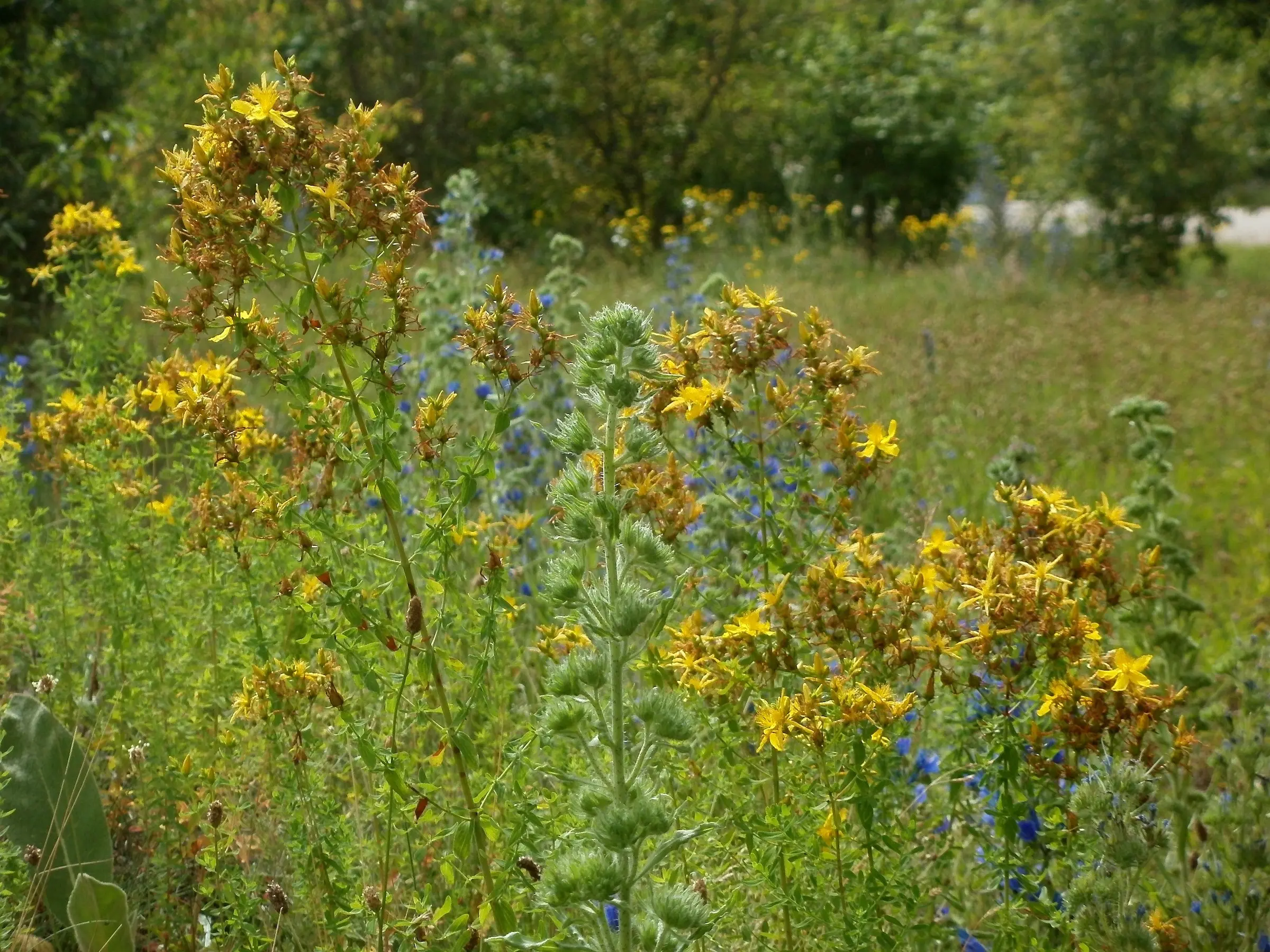
Perennial that grows up to three feet. Stems have woody base and reddish stems. Leaves are small and oval and grow opposite. Flowers are bright yellow and may have black dots on the edges of petals. Fruit is in a capsule with dark brown seeds.
Concern Level
Adult plant is unpalatable, the young plant is attractive to grazers. However concern should be high due to it’s extreme toxicity.
Toxic Parts
All parts of the plants are toxic.
Symptoms
Occur within 24 hours of ingestion, inflammation, redness and ulceration of light colored skin, lack of appetite, severe itching, blindness, convulsions, coma.
Danger
Contains Hypericin which causes a chemically induced sunburn on light colored skin. Can be fatal.
More Information
*It should be noted that we are not veterinarians. This information is written specifically for horses and should be used for reference purposes only. If you think your horse has eaten something toxic call your vet right away.