Horse Color Pt. 1 - Traditional Colors

August 19th, 2007 by Paige

I decided to start with the basics, and what is more basic than horse colors. This is the first chapter in the horse color series, pictures included.

Below is a list of the more traditional and basic horse colors.

Common Coat Colors

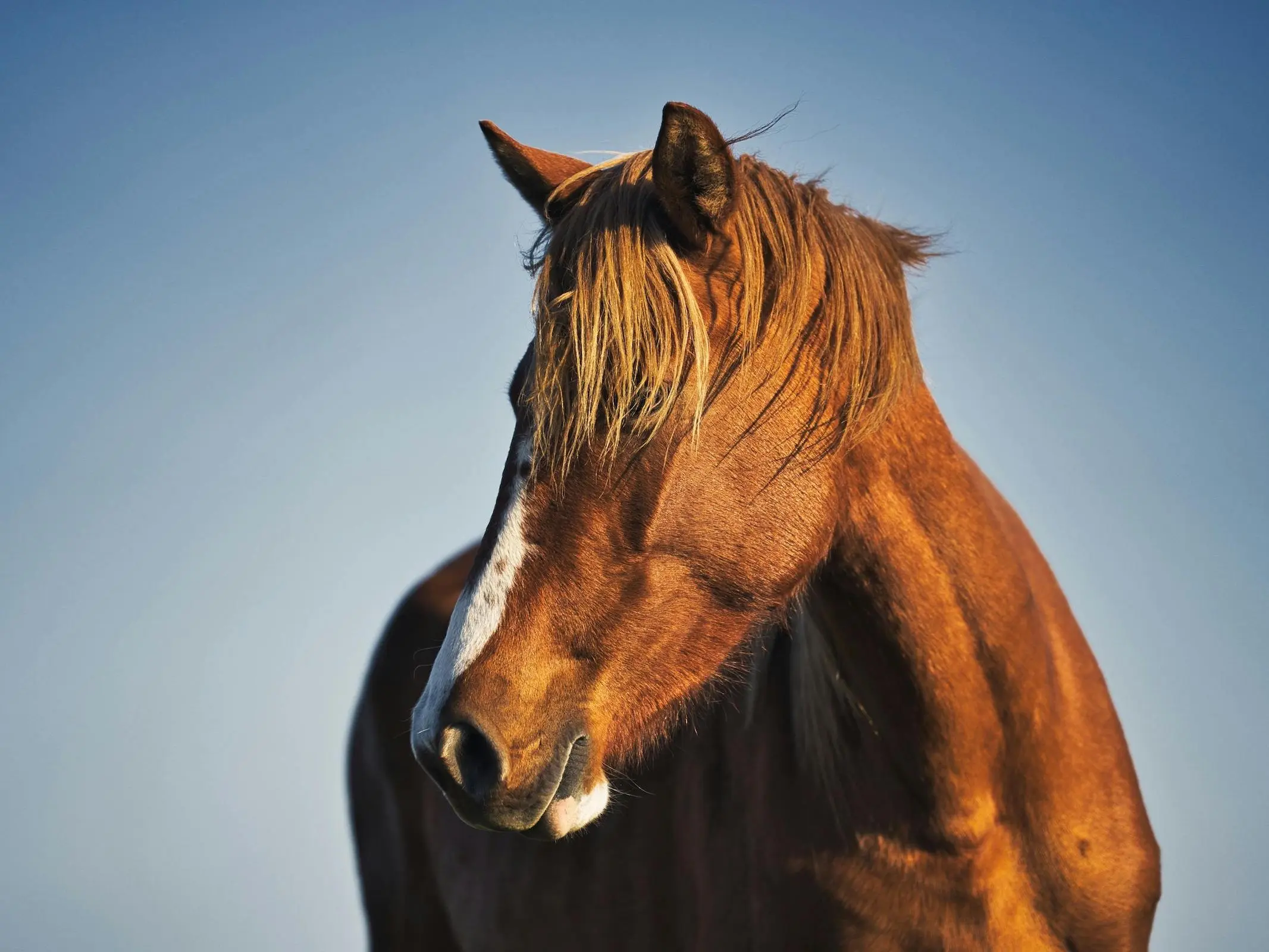
Chestnut Horses

Performing Chestnut
Chestnut horses are one of the two base colors in equines, they are red-brown in color with no black points, their mane and tail are the same color or lighter than their coat.

  • Liver chestnut horses are a very dark red / brown
  • Sorrel ranges from red-tan to bright copper
  • Blonde or light chestnut is lighter in shade but not quite dun

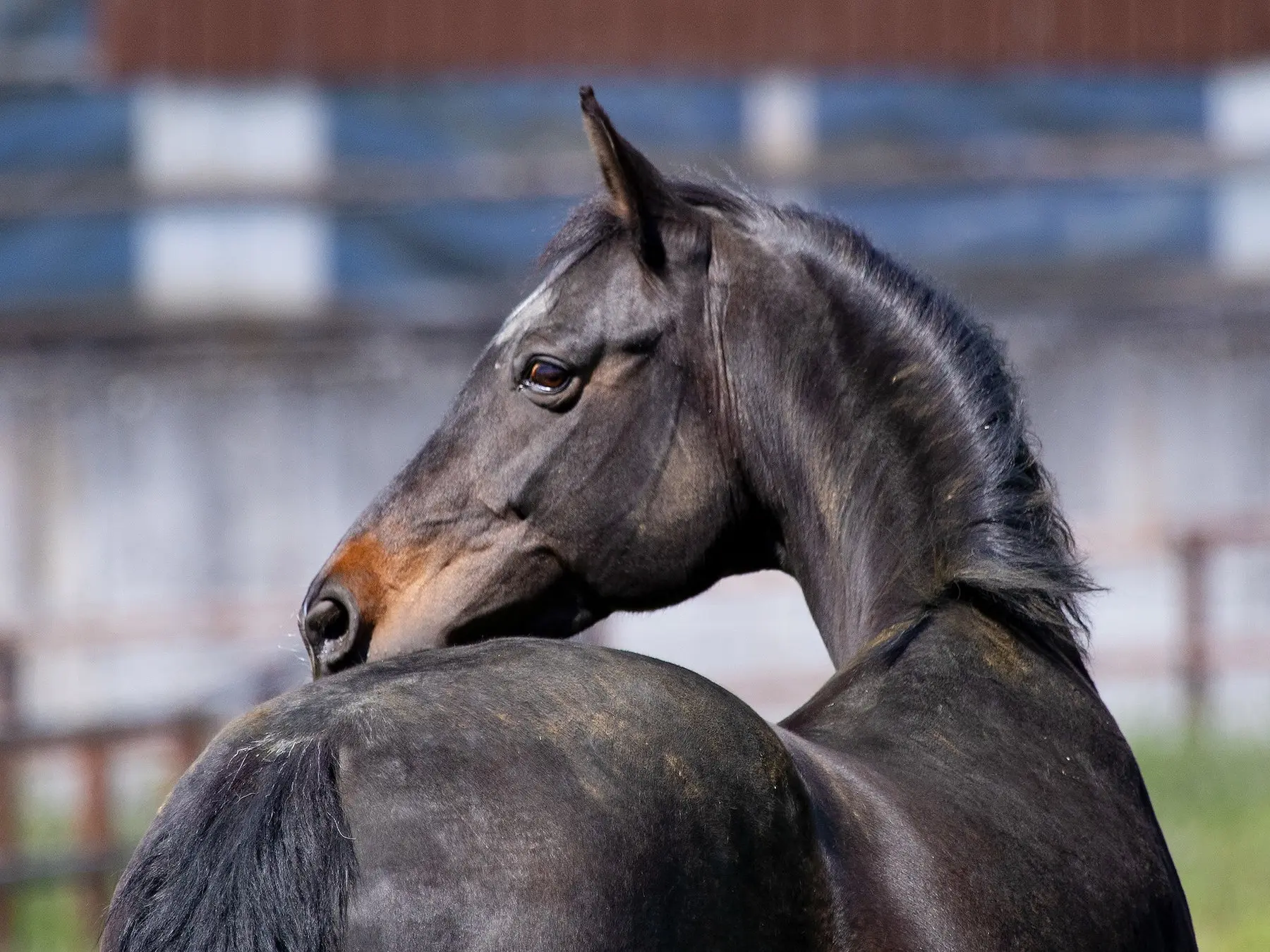
Black Horses

Stallion Championships, Weibert
The second of the two base colors, black horses have no red hair and are all black in color (with the exception of white markings).

There are two different types of black horses

  • Non-fading black Born black and remain black throughout their life
  • Fading black Coat is black but fades from exposure to sun and weather

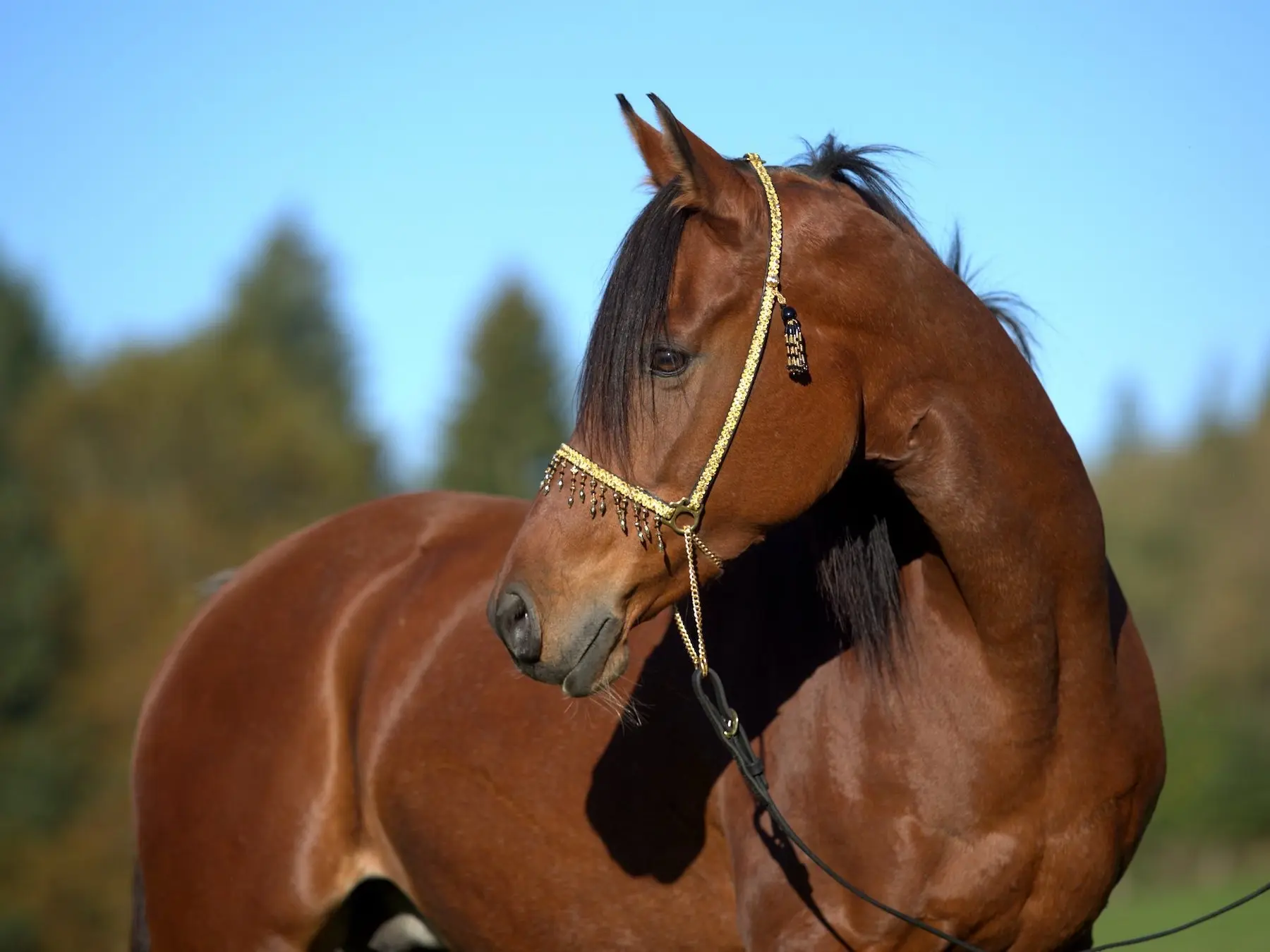
Bay Horses

Wynona- Cleveland Bay/Tb Cross
Bay horses have a body color that ranges from light red-brown to very dark brown with black points (i.e. mane, tail and leg markings).

  • Black bay ranges from almost black to a seal brown
  • Mahogany bay A deep mahogany in color
  • Standard bay The most common bay color, a deep red / brown
  • Standard bay Vibrant red in color, the flashiest of bay colors
  • Light bay Lighter red in color while retaining black points

Grey Horses

Dapple Grey Andalusian Stallion
Generally grey horses have black skin with mixed white and dark hair. Although they can be born in any dark color they grow lighter every time they shed their coat.

Greying is a process rather than a set of colors

  • Steel / Iron grey Young greys are born very dark, in their first few years they will be a very dark grey
  • Dapple grey The coat remains dark gray coat, but spots of lighter hair will develop, giving a dappling effect
  • Fleabitten grey Displayed in mature greys, a fully white coat can develop bits (or fleabites) of colored hair
  • White The final stage of greying, the greying gene is fully realized by eliminating all pigment from the animal
  • Rose gray This color is simply a chestnut or bay affected by the greying gene

Be sure to learn more about the horse color rainbow

Cream dilutions
Dun dilutions
Silver dilutions
Champagne dilutions
Appaloosa white patterns
Paint and pinto white patterns
Roan white patterns


Leave a Reply