Basic Horse Tips
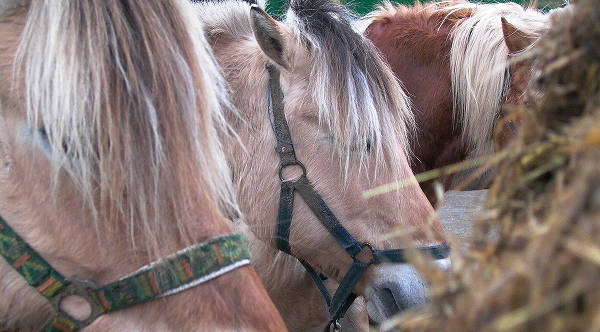
Let’s face it, this list could go on forever. However there are a few important fundamentals which every horse owner should follow. (Be sure to check out the care section for more in-depth info!)
1. Feed Them Right
It’s no secret that horses require a lot of food, wild horses spend most of their day grazing & foraging for food. Providing your animal with adequate meals that cover all of their nutritional needs is essential. Be sure to brush up on the different types of horse feed.
Pastured – Horses are grazing animals, and they were built to graze the land. Providing ample space and a pasture with a variety of grasses is optimal for any equine.
Barn Fed – In tighter spaces, many owners feed their horses hay. Stick to a daily schedule with specific feeding times, (& if you feed from a trough placing it at chest level aids in digestion).
2. Vet Attention
When you get a horse, you get a vet too & there is no exception to this rule (unless of course, you are a horse owner & a vet). If that’s not you then making sure you get your horse in front of your vet at regular intervals is essential. Consult them about vaccination and worming schedules and plan in advance for those costs.
3. Stable Management
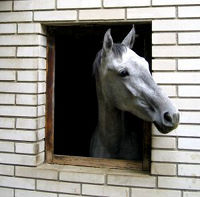 Horses need regularity, and space. Providing an environment that gives them room to move around and a dry, warm place to sleep is fundamental to their care. Be sure to learn what to look for in a stable beyond these tips.
Routine cleaning & bedding – Keeping a clean stall makes your animal more comfortable and aids in prevention of hoof and leg problems.
Daily feeding schedule – Meal time should be habitual every day no matter how many times you do it. Feeding smaller meals multiple times throughout the day is optimum.
Watering – Horses always need access to clean drinking water. Water sources should be checked frequently for mold, bugs and debris.
4. Pasture Management
Provided you have ample space to graze your horse, rotating the grazing area will help prevent over grazing and keep your land healthy. Be sure to check pastures weekly for plants that are toxic to horses and to ensure your horse has plenty of safe fodder to eat.
Aside from having adequate space, pasturing a horse requires a few more things from you.
Shelter – For both hot & cold weather shelter is essential. Trees are good natural cover, but your animals need a place to escape harsh elements.
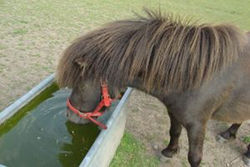
Water – Pastured horses need access to a clean source of drinking water 24 hours a day. If you have a natural source, check it regularly and if you use equipment to water your animals, keep it in good working order.
 Fencing – Solid fencing will keep your animal in and other animals out. Horses are strong animals who have been known to jump very high. One of the easiest ways to avoid injury is to invest in good fencing and regularly maintain it.
Bugs – In the heat of the summer it is a good idea to protect your horse from swarming insects. Bug masks and fly sheets help keep the bug bites down.
5. A Good Blacksmith
Hoof care is a building block of equine health. Well trimmed feet help to prevent lameness in the entire leg. Speak to your farrier about developing a trimming schedule specific to your animal and stick to it.
6. Keep Them Moving
Daily work outs are an important part of any horse care routine. If they don’t have a space large enough to stretch their legs it is your responsibility to give them that opportunity on a regular basis.
7. Grooming
Important enough to be part of your daily routine. They don’t require much, a quick curry, a brisk brush down and a hoof cleaning. These small tasks keep the coat shiny and healthy and their feet sound.
It is impossible to compress horse care into an article, but this list covers some of the important basics. Be sure to visit the care section to learn more.