Dun Characteristics
The dun dilution causes primitive markings on the animal which occur in a wide variety of combinations that vary between breeds, base colors and animals. While they have a variety of marking types, duns generally do not have normal dappling, but they can have reverse dappling. Below are examples of some of the more common primitive markings.
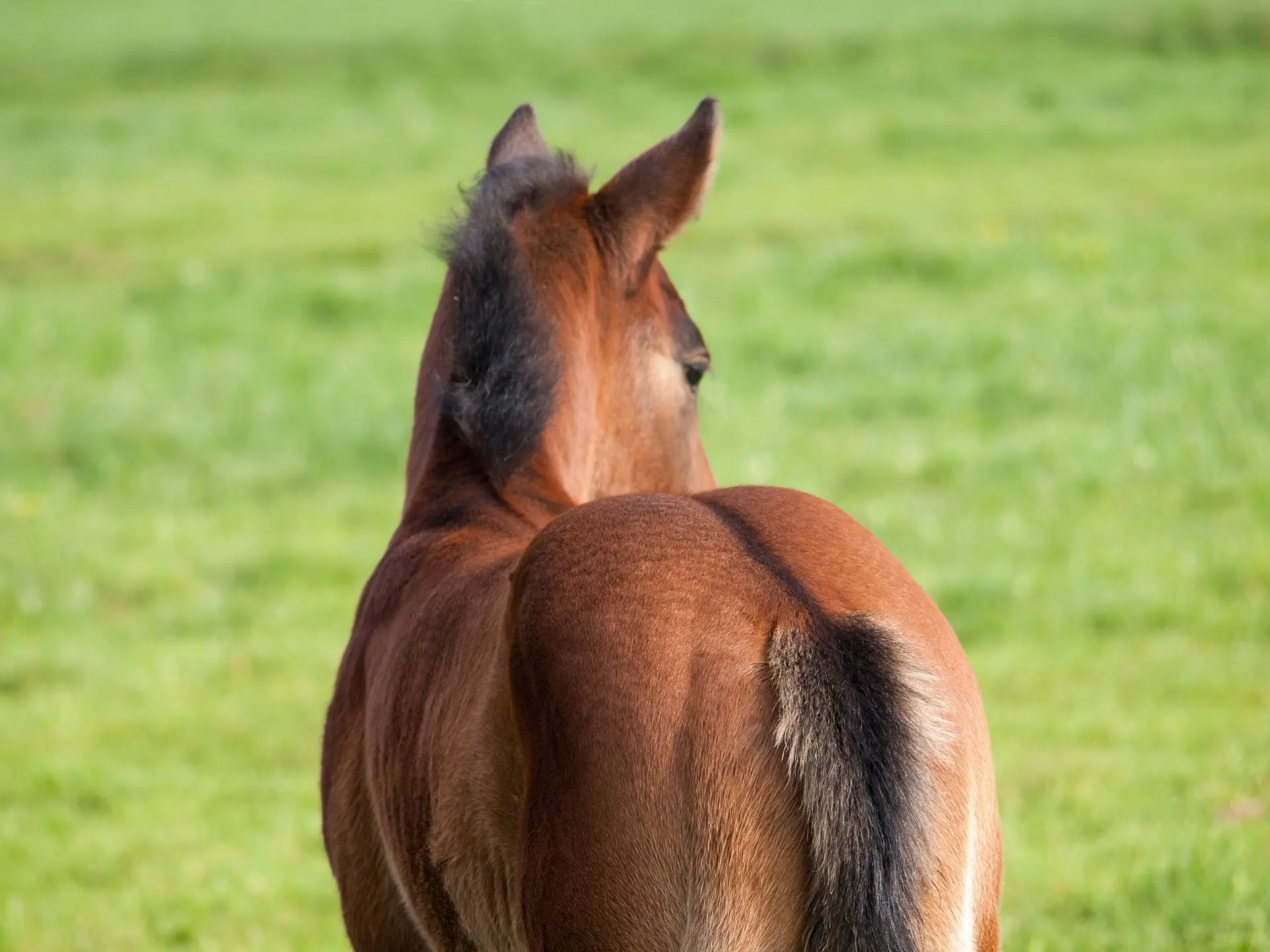 Dorsal Stripe
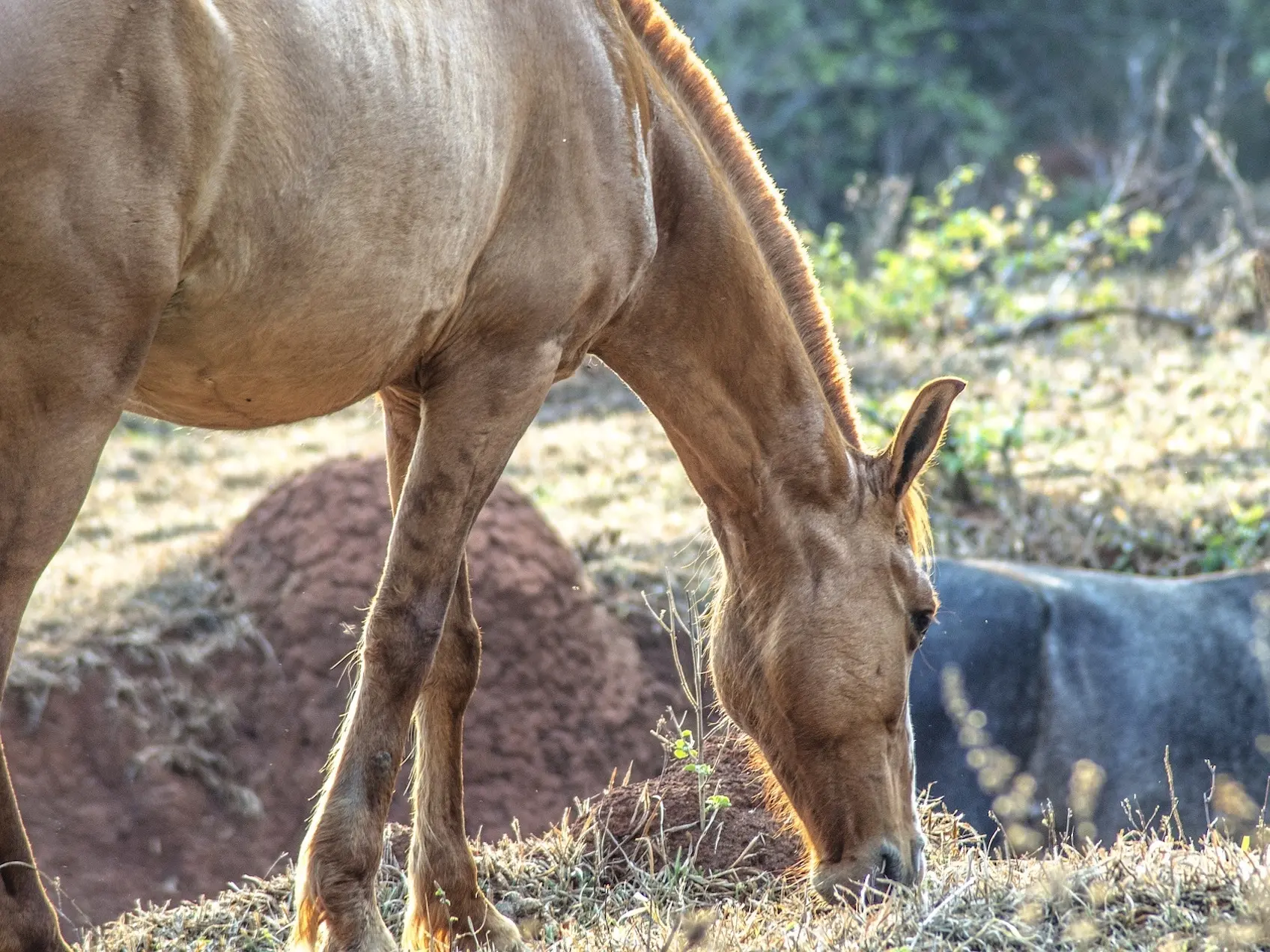 Leg Zebra Striping
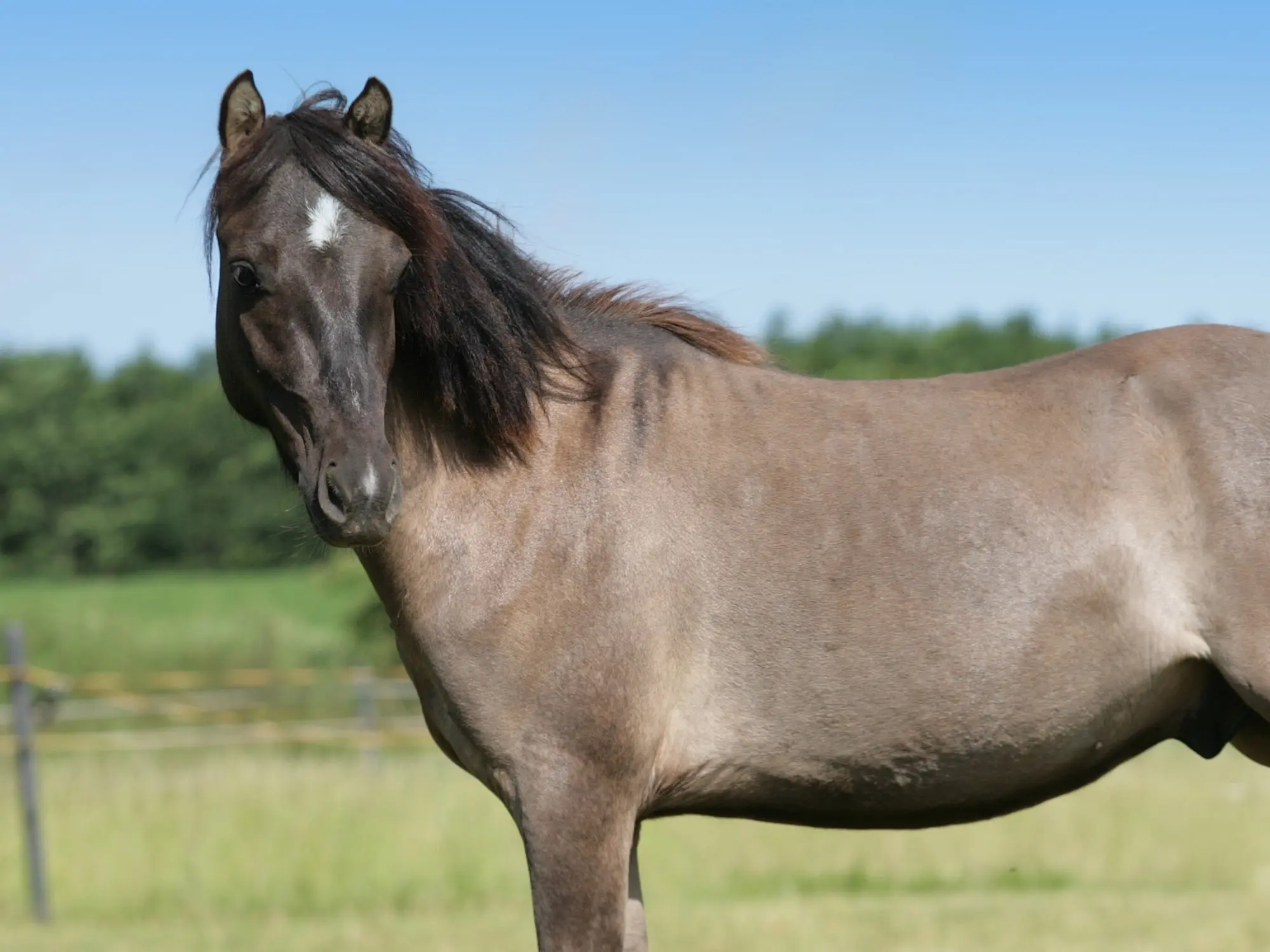 Shoulder Stripe
 Webbing
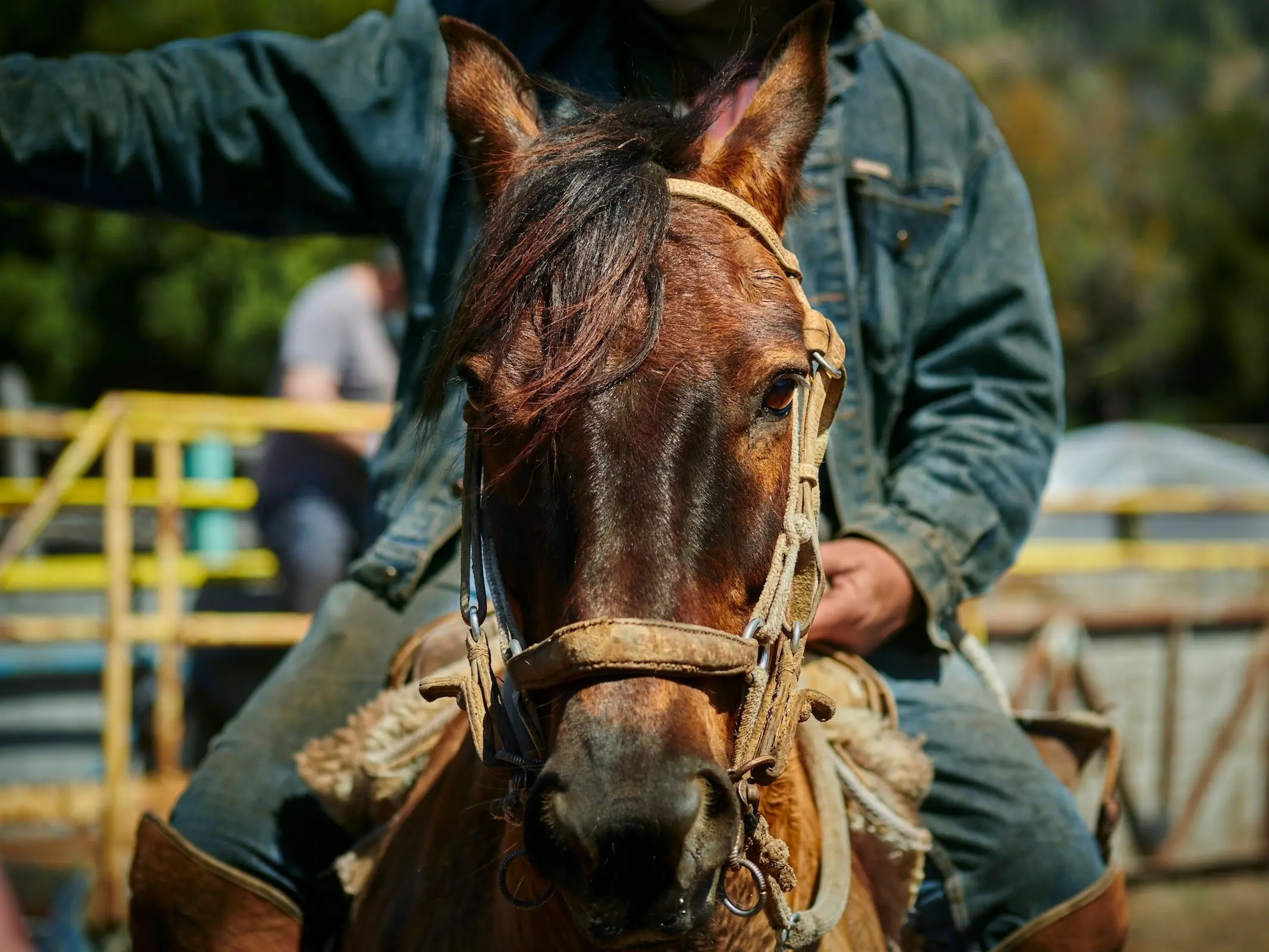 Face Mask
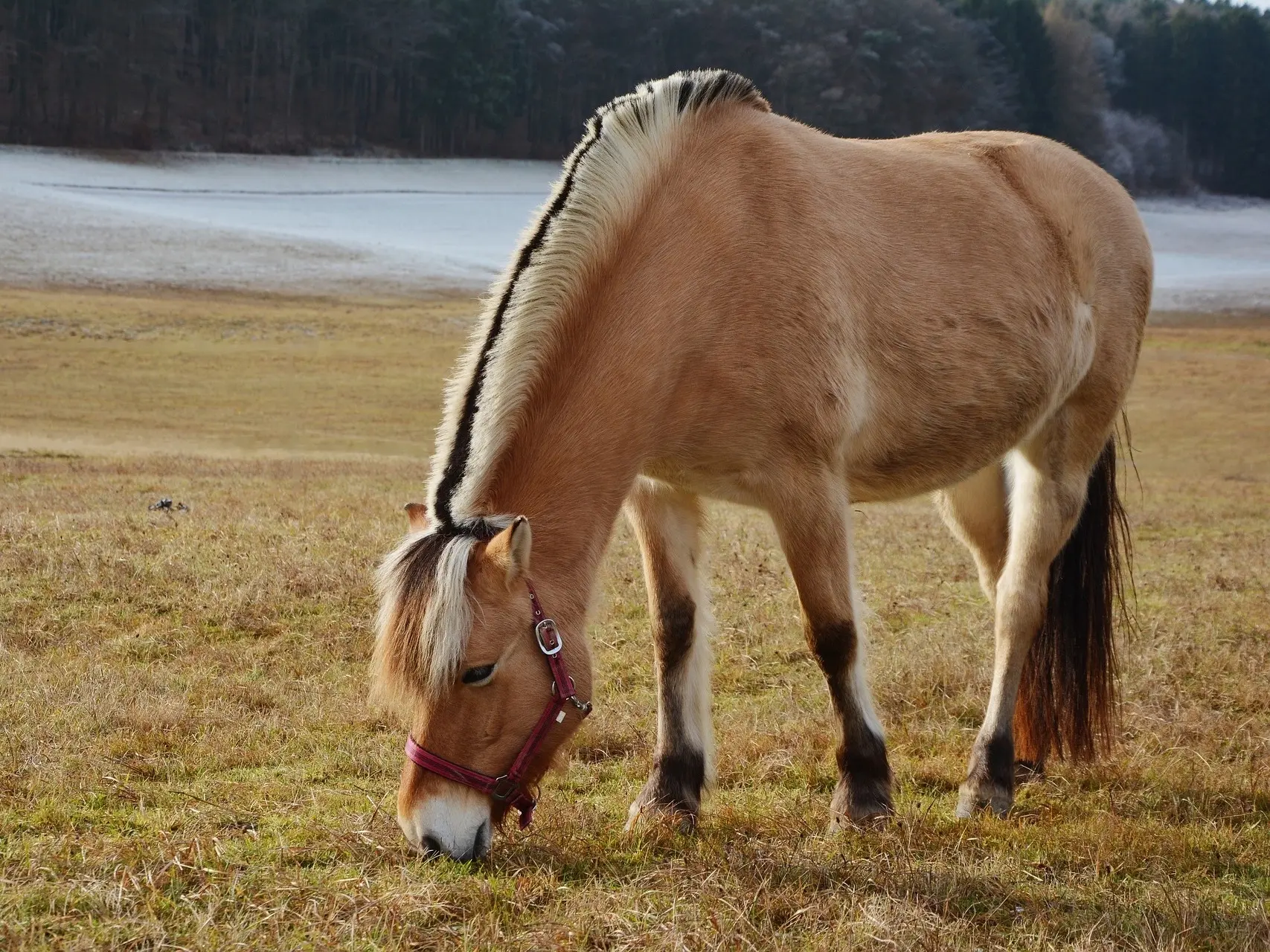 Sandwich Mane
Base Duns
Unlike some of the other dilutions that only affect either red or black hairs, dun has a rather dramatic affect on all of the base colors. Creating a range of lovely shades that make duns a favorite for the color lovers out there.
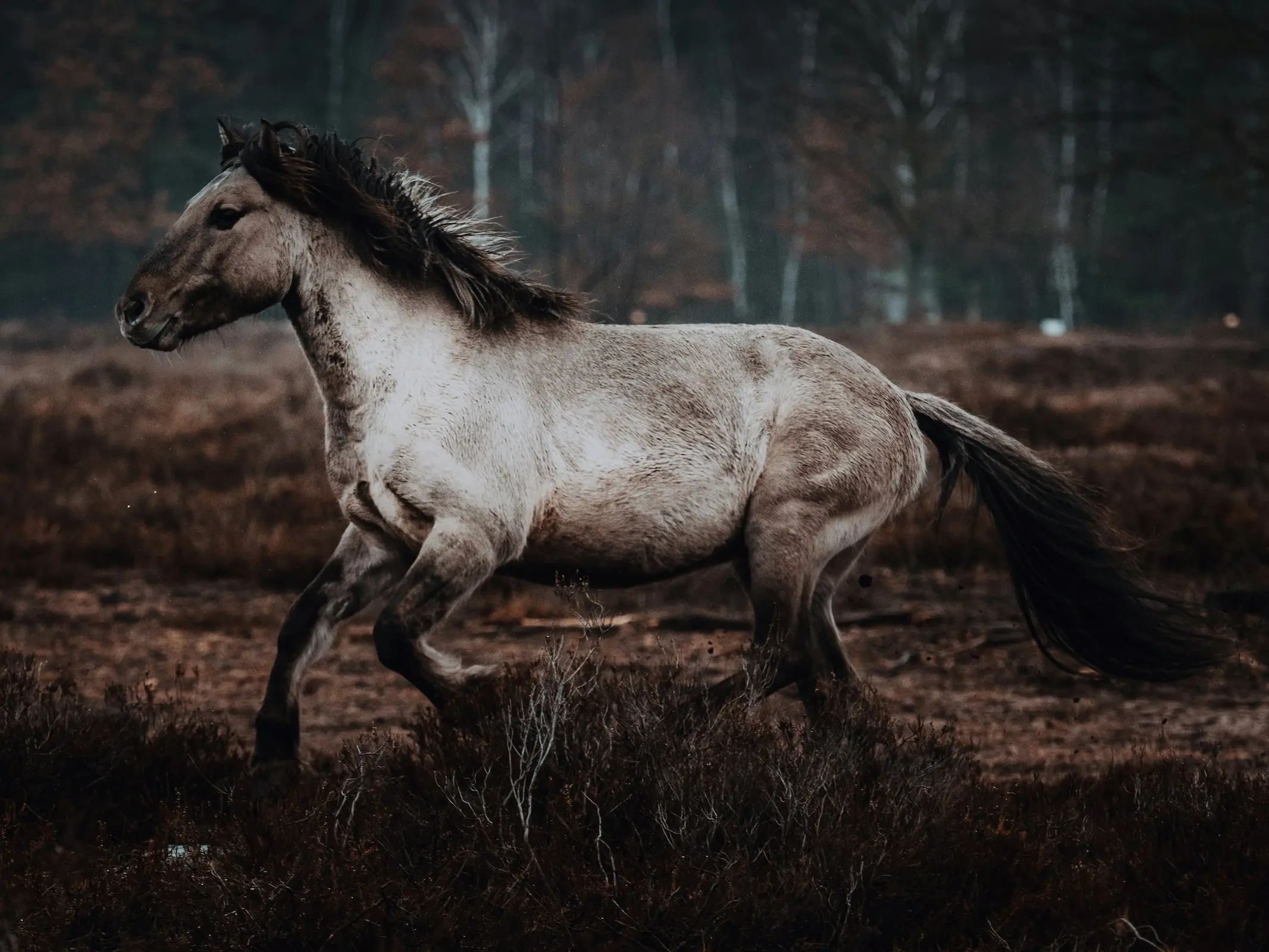 Black Base
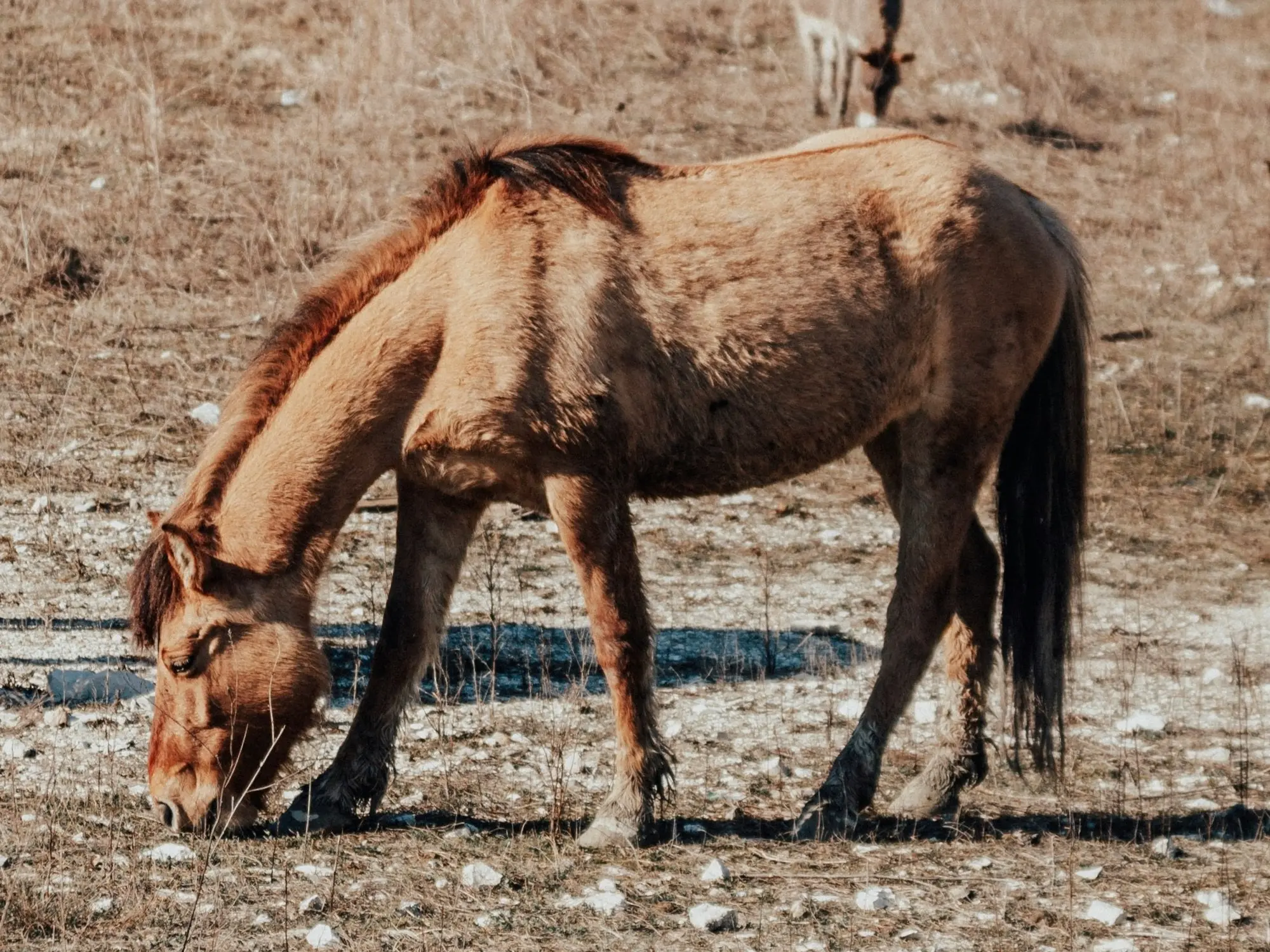 Chestnut Base
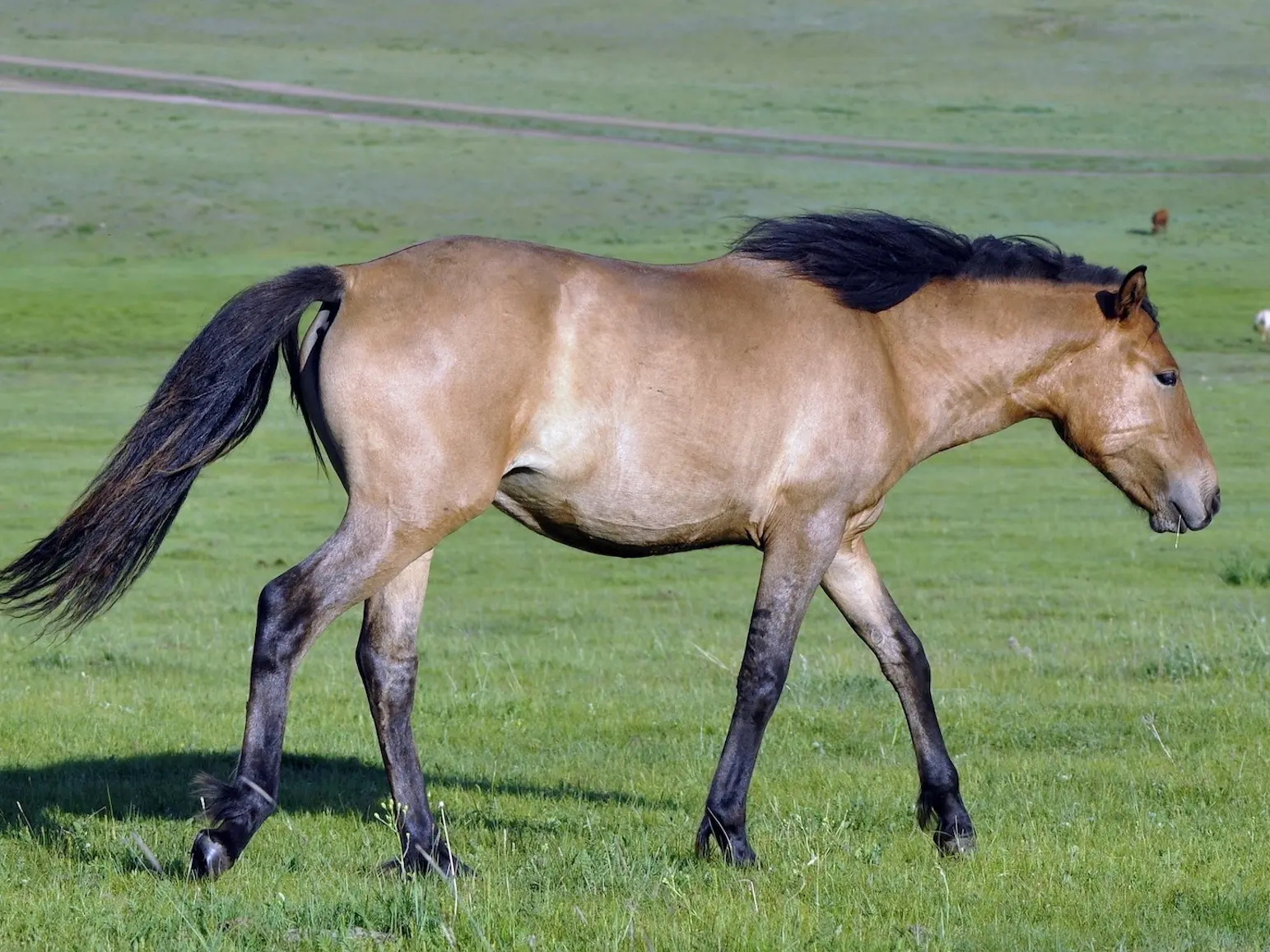 Bay Base
 Seal Base
Dun Modified and Diluted
Several of the coat modifiers and dilutions can be combined with dun to broaden the spectrum of dun coloring. From cream to silver, dun gives everything its own bit of primitive flavor.
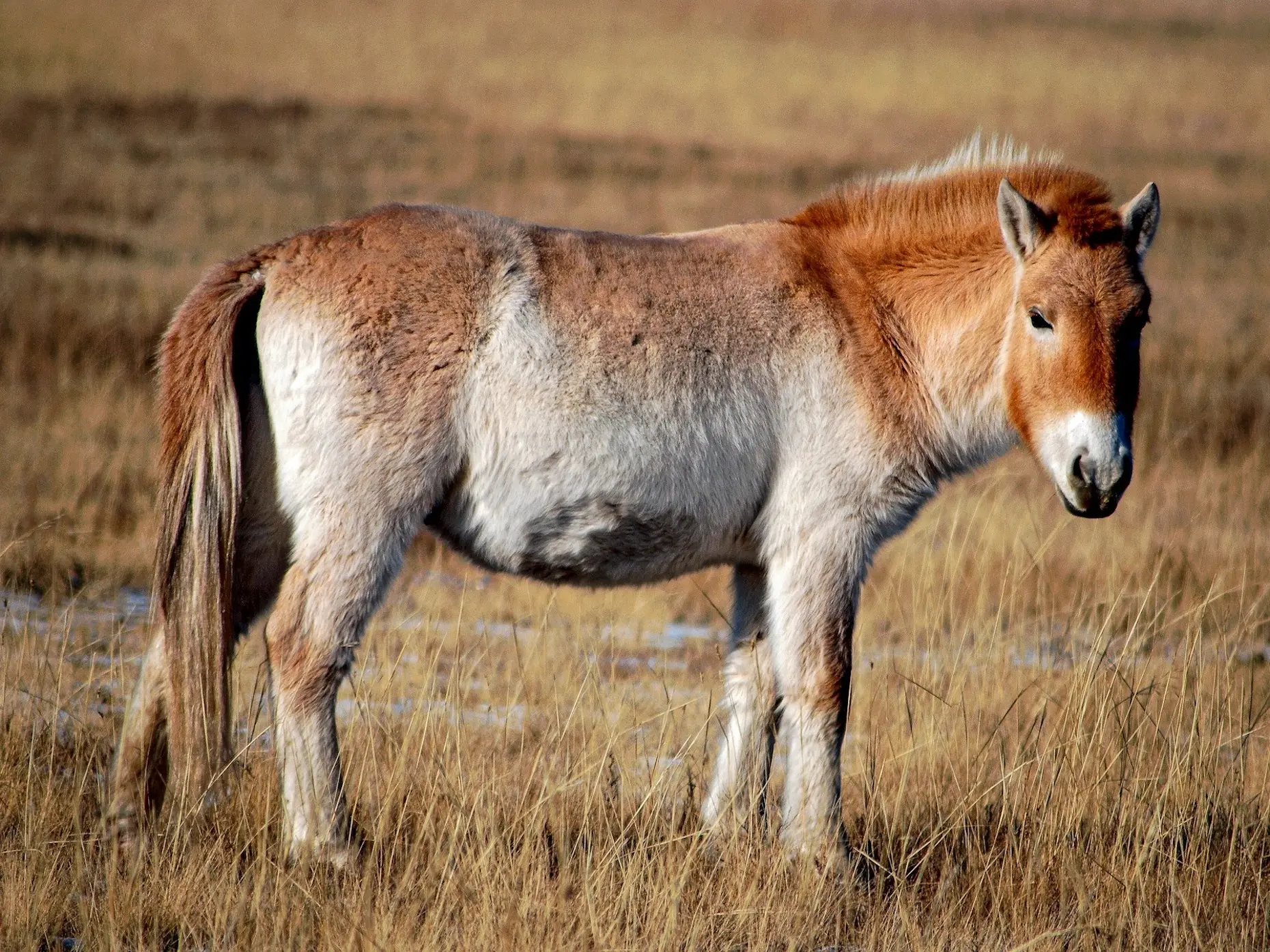 Pangare Modifier
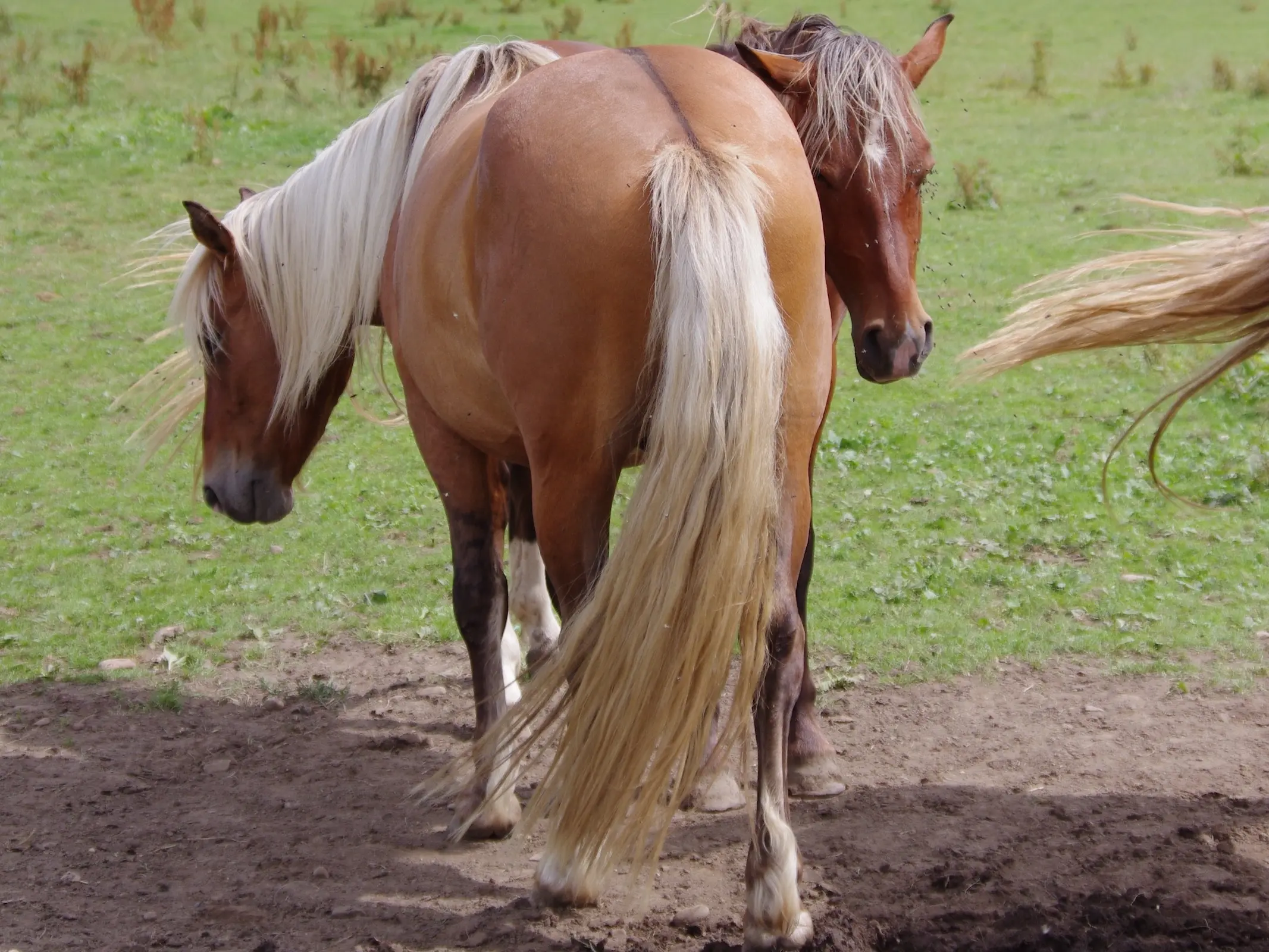 Silver Dilution
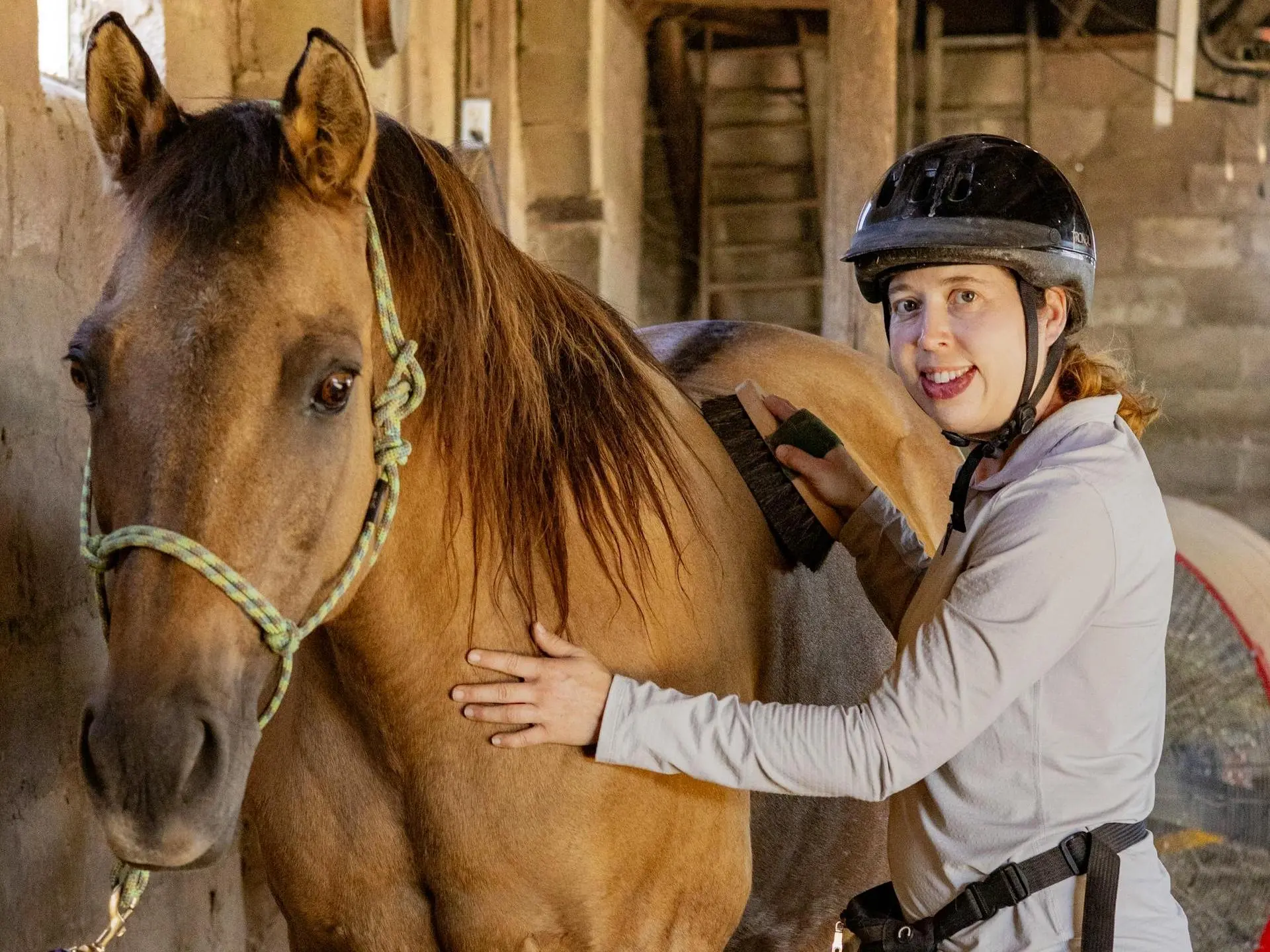 Champagne Dilution
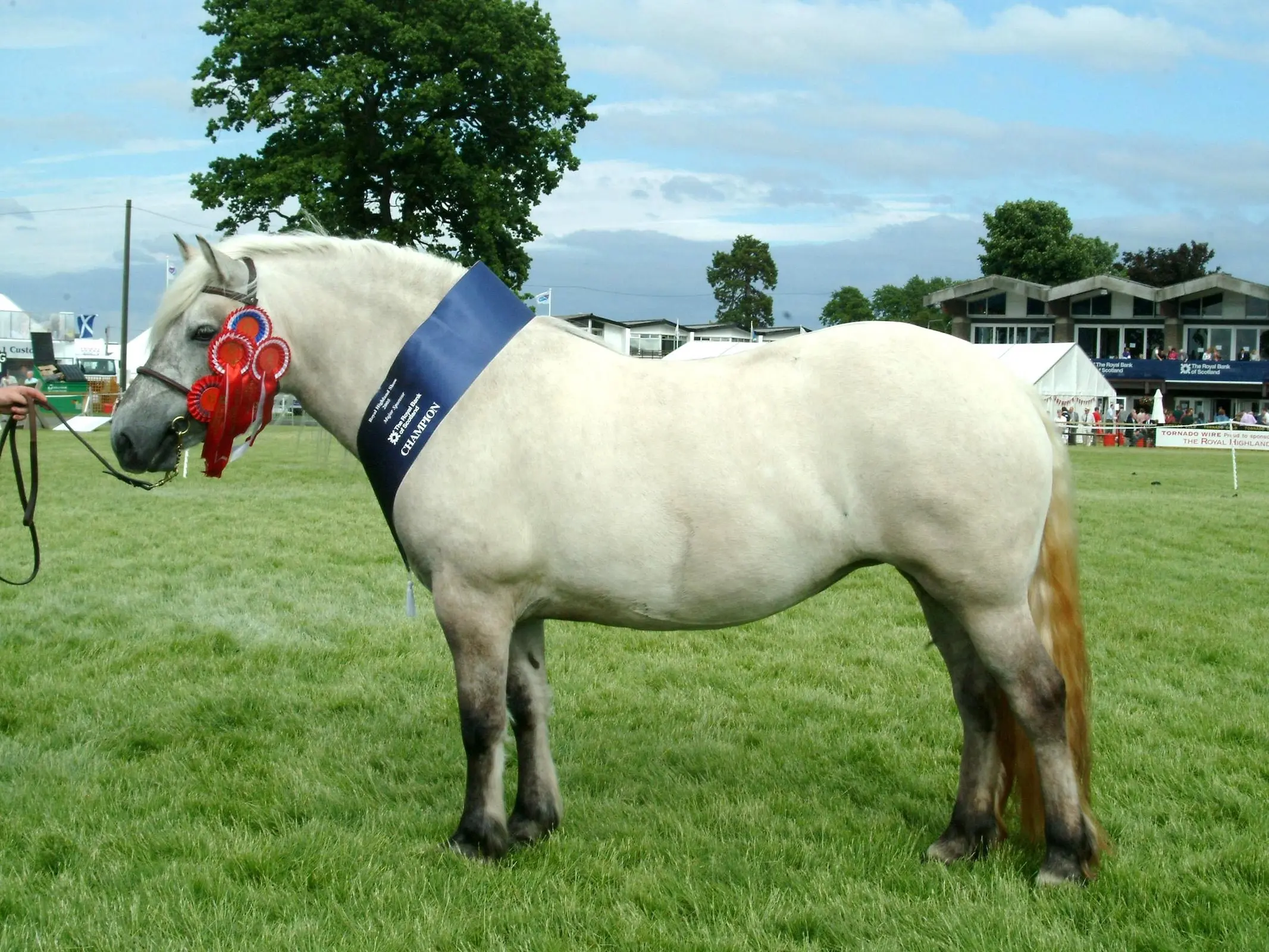 Cream Dilution
White on Dun
Any dun animal that carries the genetics for white patterns can display them and some of them can mask dun characteristics depending where their patterns are located. Regardless, they create beautiful spotted patterns of all types.
 Grey
Grey Roan
Roan Pinto
Pinto Appaloosa
I have a mare that is dun, reg-red dun, to me she looks like a palimino dun. she has a white mane and her tail is almost all white. her body looks like a palimino color. her dun points are tan not red. what do you think? shelly
Sounds like she is a red dun with a creme dilution gene. I believe that gene will dilute the colors of the dun markings too.
Send me a picture. I’ll post it and see if anyone has a better explanation.
Hi have a colt who is just starting to shed out. I thought he was a Red Dun, but looking at the hair that’s showing around his eyes and at the base of his ears…he looks smokey black. Is it possible to have a smokey Red Dun?
Hi Brooke,
Sounds like your red dun is displaying a sooty modifier which often results in sooty coloring on the face and topline.
Hi,
I have a Grulla colt. Dam is Brown and Sire is Dun. He is Homozygous E/E, a/a/, N/N. He can not throw “red” He was born with his primative markings and the AQHA as well as myself gave him the “grulla” color. He has since matured to a 2 year old and he is as dark (black)as his primative markings…is there such a thing as a “Black Grulla”. How can I prove it now that he is older. Maybe i should cal him a “Black Dun”?
Any thoughts….i could send a pic…let me know.
Hi Traci,
From my understanding, a black dun is the same thing as a grulla, a dun dilution on a black base.
I imagine as he ages his coat color will start to fade and his primitive markings will be displayed again.
The photo of the grulla foal, was it sent from Oregon from Bonnie..looks familar …wondering if its my import Sorraia stallion Sovina’s granddaughter.
Could be, if you click on the image it will take you to webshots where it will show you who uploaded it. Looks like a beautiful foal, I’d love a picture of your Sorraia stallion!
While the links back to my site are certainly appreciated, I do not appreciate photos being STOLEN from my site!!!
I have contacted the copyright owners of those photos to find out if you asked their permission to use their photos. I worked my tail off to get permission to use the photos on the DCS site!! I did NOT STEAL them!! I worked YEARS to get what I have.
If you want to use photos from the DCS site legally, you MUST contact the owners of the copyrights and get their permission. Otherwise, you are in violation of copyright laws.
I despise lazy thieves, who let everyone else do their work for them, and they steal from them.
To Traci with the “grulla” who turned too dark to see his primitive markings. Paige is most likely telling you WRONG! Very, very, very rarely is a grulla that dark. Most likely you had a black foal whose foal coat was light enough to show primitive markings. But that does not make the foal a grulla automatically. Many non-dun dilute foals are born showing some primitive markings at first, especially a dorsal.
Of course, without seeing photos, I cannot tell you for sure what’s going on with your horse.
There are several examples on the Dun Central Station site showing horses with primitive markings who are not dun dilutes.
OH MY! Just noticed that you have Dunskin listed as cream and dun on a “black base”.
WRONG!! It’s cream and dun on a BAY base!
“Dunskin” is the combination of the terms “dun” (meaning bay dun) and buckskin (bay w/cream). Both are bay base coat colors, not black base coat colors.
I have to chip in here too. Permission must be granted by the photographer to use any photos. It is irresponsible and unprofessional to use photos without permission. I’m sure if you nicely asked the owners of the photos, they would be willing to share their photos. But you must have permission or it is illegal to put photos on a website.
Sue
Although I much apreciate the link to my site :o) I do not have permission from the owner of the perlino dun’s photo to be able to give you permission to use this photo. You are welcome to use MY photos, but not those not belonging to me. It clearly states below that photo who it belongs and that it is copyright protected. Again, thanks for the link and you can use the photos on my site NOT referencing an outside owner! Thanks!!
you have used a photo of my horse without permission !! Had you asked first, I would have let you use a different picture of him, but since you stole it without any consideration to laws and common courtesy, I would never let you use one of my pictures.
I will address all of your comments shortly. Any of the copyright owners who want their pictures removed, please list which image it is. Thanks.
Paige, you wrote: “Any of the copyright owners who want their pictures removed, please list which image it is.”
That is not how it works. Any photo on your site for which you did not get written permission to use here, you must remove. The owner of the photo should not have to “request” that you remove their photo. You simply do NOT use them unless and until you have permission to do so.
Jackie requested her photo be removed. That photo is the grulla showing the dorsal from the Dun Central Station site.
Candi mentioned a photo you took from her site (Tocara Farm) which is not her copyright. That is the perlino dun. You will have to contact his owner (who took the photo) to get HER permission to use it here.
There is another photo you stole from the DCS site, the one showing the leg bars. I am not the copyright holder, and have not heard back from her yet, but remove it until you have contacted that person and been granted permission by them.
You have a photo of a bay dun Morgan mare (Homestead Morgans) in the Bay Dun section. I know that owner as well, and will be emailing her to direct her attention to this site. You may want to remove that one as well, if you didn’t get permission first.
It’s not okay to steal and use people’s photos, and then just wait until they complain and request you remove them. You must get permission first. That’s what I do. That’s legal.
I have a Copyright page right on the DCS site, with clear info regarding NOT taking photos from the site without getting permission. I state clearly that if a person contacts me, lets me know which photo they are interested in, I will gladly forward their request to the owner of the horse/photo so they can grant permission for use.
Again, most people are flattered and appreciate the request. But only if you ask first, and not just take.
Nancy,
As your understanding of copyright law is rudimentary at best and you appear to have called me a thief multiple times in public which is could be consider libelous.
Here is a simple definition. http://www.merriam-webster.com/dictionary/libel
I will say this, I am contacting the copyright owners and I am in the process of resolving any issues they may have.
Please do call me a thief 1 more time and I will proceed to show you how little you know about copyright, web design and then I will point out everything you are doing that is illegal on your sites and what you are doing that may be construed as unethical.
Try me…
Paige,
Please feel free to delete my comments. It doesn’t change the fact that what you did was wrong. Not matter how you want to spin it.
As I understand it, libel is when a person says something that is false to defame one’s character. I didn’t say anything that was false. The owners of the photos that were taken and used here have stated you did not have their permission. That’s a fact. Not libel, as I understand it.
I’m finished. You appear to have removed the photos you used without permission (of those that I am aware of anyway), and that was the point.
Nancy, I sent traffic to you, it would be directly to the photographer if you linked to them.
As you understand libel is not what really matters. What matters is how it is interpreted by law.
So let me clear the situation up for you.
You do not own the copyright on anything you are *claiming* needs to be taken down, you do not legally represent them, so you should have asked the copyright holders to contact me personally. I have removed the images to save me the trouble of dealing with you or your friends, regardless of the actual legality (which if you like I will explain) and now the links you ‘appreciate’ are gone.
You made many UNPROVEN statements publicly (see: your limited understanding of copyright law, calling me a thief and then you attacked me personally as lazy). Your opinion does not make something a fact.
And now you are trying to show yourself in a heroes light whereas you actually did a disfavor to anyone that likes horses or is trying to educate themselves.
To top it all off you have just said i am “spinning” now.
You have done yourself a big disfavor by trying to shame me. As the saying goes “those in glass houses…” (you are doing a lot wrong on multiple levels, I saw, collected evidence and mayhaps I will publish in the morn ).
So from what I see: You are an equine web design company that gets no traffic (presumably because of a deep misunderstanding of the way the web works – see all comments above) and you are upset that those images are ranking well in Google Search?
It’s easy to be Nasty huh? I much prefer to be helpful (I could have helped you and your photographers) but you are choosing otherwise.
Wow ladies that’s very infomative but I thought this site was about determining horse colours……got off track some how.
Hey Paige,
Just to let you know a perlino dun is a double dose of cream on a bay dun. it would look like this: Black + agouti(modifier that turns black to bay) + cream + cream + dun = perlino dun
vs. dunskin which is a single dose of cream being: Black + agouti + cream + dun = dunskin
Another trait for duns is frosting on the mane and tail (The lighter color at the base)
Hi, I have a foal that is out of a red dun mare by a grullo stallion,….top half looks light red dun with dark chocolate points, bottom looks like grullo? Help!
I just had a little filly born in March. She looks like a perlino dunskin? She has a perlino body, a black and white mane. But no black socks? What do you think?
Hi,have a 3 day old filly,gray,black points,white star,blue eyes.think she’s a grulla?
thanks
We just had a filly born. Dad is a dunalino(not as yet tested) mom is a chestnut. The filly has alot of black but does carry the leg striping and wither striping. She seems to be graying a little on the rib cage and shoulders. Would you call that a Grulla or the Champagne Dun. I could send you a pic if needed.
Wow very informative website!
It’s a shame that people get so pissed off over someone using a picture of their horse. It’s for educational purposes for Christ’s sake!
Too true!
Hi Paige: I am still waiting for an answer to my question on my previous e-mail. If you sent me something I never received it. Could you send it again please, I am anxious to learn more about this filly. You have a pic of the father of this filly under dunalino. Thanks again.
Hi Brenda,
Thanks for your comment and apologies for not responding promptly.
I will email you directly with some information that may help.
I want to thank everyone for their color comments and questions.
Unfortunately I’m no geneticist and my information is limited to available research. In short, I wish I could, but I’m not qualified to answer your questions with regards to color genetics.
Please feel free to ask them and if I have any idea I will point you in the right direction and hopefully helpful readers in the know will do the same.
If anyone has clear confirmation shots of any of the horse colors they want to share, I’d love to use them with credit and a link back to you as the source. Feel free to email me with your imges.
Please be aware that the dunalino pictured is NOT dunalino-he is red dun. He has never been tested, his dam was a bay dun and his sire was red dun–no CREAM factor! Red dun comes in a variety of shades from pale as a peach colour to dark red.
You might want to remove him from that posting.
Hi, There is a lot of information on this site, some accurate and some not. Color genetics are a hobby of mine and I just wanted to point to a good website for the Champagne dilution. The International Champagne Horse Registry (ICHR) at http://www.ichregistry.com has pictures of anything champagne. The range of colors is quite extraordinary but for the lady who asked about a “champagne dun,” it would certainly answer her question. Hope this helps.
karina, are you trying to be a know it all? if you are be quiet.
Rachel,
Thanks for your intelligent comment. I was trying to point out a link with pictures of a known champagne dun so whomever thinks their horse is the same dilution could compare pictures and see if they look similar. My comment about accurate or inaccurate information comes from current research. Maybe you should try it.
I have a zebra striped dun paint mare. Her mother was a Ute Mountain Mustang. She is a honey color and all her babies have a flaxen mane over black or grey. She had a bay colt and a red paint filly with dorsal stripe and zebra stripes. Her first colt is here too. He was a beautiful color – like harvested wheat fields – until he was about 6 years old. Now he is very shiny silver with a grey, flaxen mane. He is so silver, he glows in the moonlight – I can see him from the house. Is he a perlino dun? Or a silver grulla? I have another filly from the same mare who was sort of a light tan when born. Now at 3 years she is silver with grey flaxen main and tail. She has nine distinct stripes. What do I have here? They came from the Navajo Nation. The older gelding is a Ute Mustang/Andalusian cross. I have the mare so I know what she is. I know the sire was Andalusian because he is so typically Andalusian in behavior and conformation.
Can I post photos of these horses here to get a response? I might not have posted if I had read the above posts. I did not see them prior to my question.
Hi,
My BUCKSKIN APHA MARE HAD A BAY COLT OUT OF MY BLACK AND WHITE STUD ALSO APHA. MY QUESTION IS THE STUD COLT IS BAY BUT HAS A PARTIAL DORSIL STRIPE. IT GOES DOWN HIS TAIL STARTS AT THE MANE BUT I CAN NOT SEE IT IN THE CENTER OF HIS BACK. HE ALSO HAS STRIPES ON BOTH FRONT LEGS. IS HE A DUN OR NOT?
THANKS,
PAM
I ran into a bay “dun” filly recently also. Neither parent was dun so we were surprised to see a dorsal stripe on her. Dun is responsible for “primitive” markings i.e. dorsal stripe, leg bars, etc. From the best of my research, it seems that these primitive markings can show up at birth and stay for life or fade totally. They simply show up out of no where but are technically not “dun” since there is no dun gene. How old is the colt? If he’s under a year, perhaps wait and see if his primitive markings fade as he gets older? Sorry I couldn’t be more helpful.
If it was a bay it was most likey counter shading which is believed to be caused by the sooty gene. It can mimic dosal stripes, leg barring, and dark shoulders.
Thanks for using my photos in here – my flickr username is Elrenia_Greenleaf – I stumbled across this page purely by accident and I’m really glad that they’ve come in handy! I would have appreciated a PM or email to ask if you could put them on here, but as there’s a direct link to my photostream I don’t mind so much. 🙂
Only thing is, you’ve mixed up the names on one of them – I took the neck shading one, not the legs. 😀
No problem! I like to be useful. ;D
While I do find all these questions interesting the best way to know your horses color is with testing. I have a grulla colt out of a dun mare and a grulla stallion, no cream gene and the colt is the same color as a grulla mare I had with the cream gene, so even knowing it wasn’t true I had him tested for cream, not there but he is homozygous dun and homozygous black! As far as a dun out of two non dun parents it can’t happen, dun is dominant it can’t hide. It can be difficult to see on a dunalino, but when wet you can see more, however testing is the best bet!
I recently purchased a red dun pinto miniature mare. She is unregistered but I was todl her sire was a red roan pinto and the dam was a silver dapple. Could the pair have created a red dun? She has a very distinctive dark dorsal stripe. I do not know about the other characteristics as she is in her full winter coat. Any help would be great. Thanks!
Interesting conversation here. The bay in the photo is not dun. The countershading is just that. The dun gene is a dilution gene so there aren’t going to be any colors that are not diluted like black, bay, red or brown with a dorsal stripe that is really dun. There is a test now but it’s only for “markers”, not a regular color test. The easiest way to determine if they are true dun is to go back to the pedigree. Dun is a dominant gene so one parent has to be visually dun for the foal to even have a shot at being dun.
As far as the other questions, you can test (easy and not that expensive) or get a pretty good, educated “guess” from the parents to determine what possible base color it is. The amount of dilution that the foal will get can be varied so you cannot tell the colors by “looking”. a homozygous dun will be lighter so that horse can look totally different than the one with 2 dun genes. A non dun to non dun cannot produce dun, that is countershading. I have a buckskin mare with a clear dorsal at age 4 but no other dun characteristics…she is not dun and cannot produce it. There is no such thing as a hidden dun gene that can pop out as this is a dominant gene.
It’s interesting that the photo’s of the “dun” horses are posed in a way that do not show dun markings.
I have a 10 week old bay colt with a very clear black dorsal stripe. He is about to lose his foal coat. Mum is very light golden bay Australian Stock Horse with an indistinct dorsal stripe. Sire was a TB bay so he couldn’t have any Dun gene. Could mare & foal both be Bay Dun? And what could happen if I then put her to a Palomino? Thanks!
I have read all of these comments and even the dispute between Nancy and you. First off, I would like to say that I have been around horses for many years and have been an inspiring photographer. As a new photographer I welcome people to use my images. We own quite a few horses ranging from zebra dun mustang to grays. If you ever need a picture or a certain breed or color don’t hesitate to ask
i have a 2 yr old quarter horse x stockhorse. he is a golden palomino colour with golden dapple throughout his coat. he has a black mane with white hair around the edges. there is no dorsel stripe. the beginning of his tail is white then it goes black and the bottom hairs are white again. both back legs are black and both front legs are white. his hooves are striped like an apaloosa but there is no apaloosa breeding in his pedigree… what color is my horse???
your horse sounds like a buckskin with front white socks, ive seen bay roans with only 2 black legs and my buckskin has the white hair around mane and tail
I had a filly born yesterday to my Red Dun and a Sorrel Stallion. The stallion was out of a sorrel dam and a Dun sire. My red dun is out of a Palomino dam and Dunalino Sire.
my filly appears to be fawn brown colour with darker head and legs that appear to gonna be black along with dark mane n tail and dorsal markings… Is she likely??? Color genetic calculator said red Dun + sorrel = red dun or sorrel…. but WOW I got color 🙂
my last foal out of this same stallion is out of dark bay dam and she is also very dark along backbone countershading??? bay
3 prior foals to this stallion were all sorrel with 2 being from varnish roans and other from bay tovero
so needless to say this years foal colors are especially surprising
thanks
Does anyone know the exact difference between a dun and a buckskin without them being tested? Also my horse is registered appy/quarter x but is a golden buckskin. I have been told by a lady from the buckskin society that I am not able to register her as a buckskin as well. Is this true?
Hi Lara,
As far as I know a dun will always have a dorsal stripe. Generally speaking it’s a creme dilution of a bay animal that creates buckskin. However other modifiers can create similar coloring (and run in appy & quarter bloodlines). Hope that helps.
As far as registering her, here is everything I know about buckskins (Buckskin color breed) and there are links to several buckskin societies you can contact for more info.
Good luck! 🙂
Lara, I (play equine horse games and LOVE horses and genetics) and I believe Duns have leg striping where as Buckskins do not, just black points/stockings.
I know a cremello that has a dorsal stripe…but his mane and tail are a pale cream color and his coat is a pale golden color….
I have a paint/ dun. She is a light brown color with white markings. The dorsal strip down the back and strips the back of her front legs! What would you call her? A paint/ dun or?
I have appy filly that is a bay with a dorsal strip,i know a bay can have a dorsal strip, but she also has the zebra stripping on the back of front knees. Si is she just a bay or could she possibly carry a recessive dun gene?
i have a equine color genetics book that says a liver dun is the most recessive dun gene coloring
If a sorrel has the dun dilution gene does that make them a dun?
My question is can the Dun gene be carried by a horse that does not display dun factor? The horse is a Perlino his sire is a Grullo, and dam is a Palomino. The Perlino has no dun factor at all, is it possible for him to still carry the gene?
The dun gene is a dominant one, only one copy is needed for the color to be displayed, a dun carrier will always show the dun traits: dorsal stripe,leg bars, ear barring, etc.
I have a Grulla colt as well Traci 🙂
Ok, well I was convinced my colt was a red dun until looking at the champagne website, is it possible he’s an amber dun? I can send someone pictures if they can help me out, thanks!
Erika,
In order for your horse to be a Amber Champagne he/she would have to have at least 1 copy of a champagne gene (N/Ch) as well as have their “base coat” color be bay. It may be more likely that your horse has a silver gene, but again that is something that would have to be tested. Possibly your first guess is the one that is correct. Which would mean your horse is a Red Dun (Chestnut/Sorrel (e/e + Dun D/d). There are obviously a couple of different modifier that could cause your horse resemble an Amber Champagne phenotypically. One is Your horse may have a silver gene. Unfortunately, it’s hard to tell whether or not a horse has the silver gene when looking to the parents. The reason for this is that Silver has no effect on red pigment. So while chestnuts and sorrels can have a dominant silver gene there is no way to tell by phenotype and sometimes Bays with silver genes are mistakenly called/registered as Chestnuts/Sorrels due to the Silver diluting the Black pigment on their “points” being lightened considerably by the Silver dilution. It will also dilute the mane and tail causing them to look as if they have the flaxen mane in tail commonly seen on Chestnuts/sorrels.
Another possibility, though an unlikely one, would be that your horse possibly has a pearl gene, also known as the “Barlink factor” in Quarter Horses, Paints, and Similar related breeds. Pearl behaves as a recessive gene with respect to the hair color. One dose of the mutation does not change the coat color of black, bay or chestnut horses. Two doses on a chestnut background produce a pale, uniform apricot color of body hair, mane and tail. Skin coloration is also pale. Pearl is known to interact with Cream dilution to produce pseudo-double Cream dilute phenotypes including pale skin and blue/green eyes.
As for Champagne, the best way to tell if your horse is in fact Champagne, phenotypically, is by looking at the horse’s skin color. The actual skin of Champagne-diluted horses is pinkish/lavender toned and becomes speckled with age; the speckling (also known as mottling) is particularly noticeable around the eye, muzzle, under the tail, udder and sheath (similar to that of Appaloosas) with purple and pink speckles in what is called “pumpkin skin.” The eye color of a Champagne is blue-green at birth and darkens to amber as the horse ages.