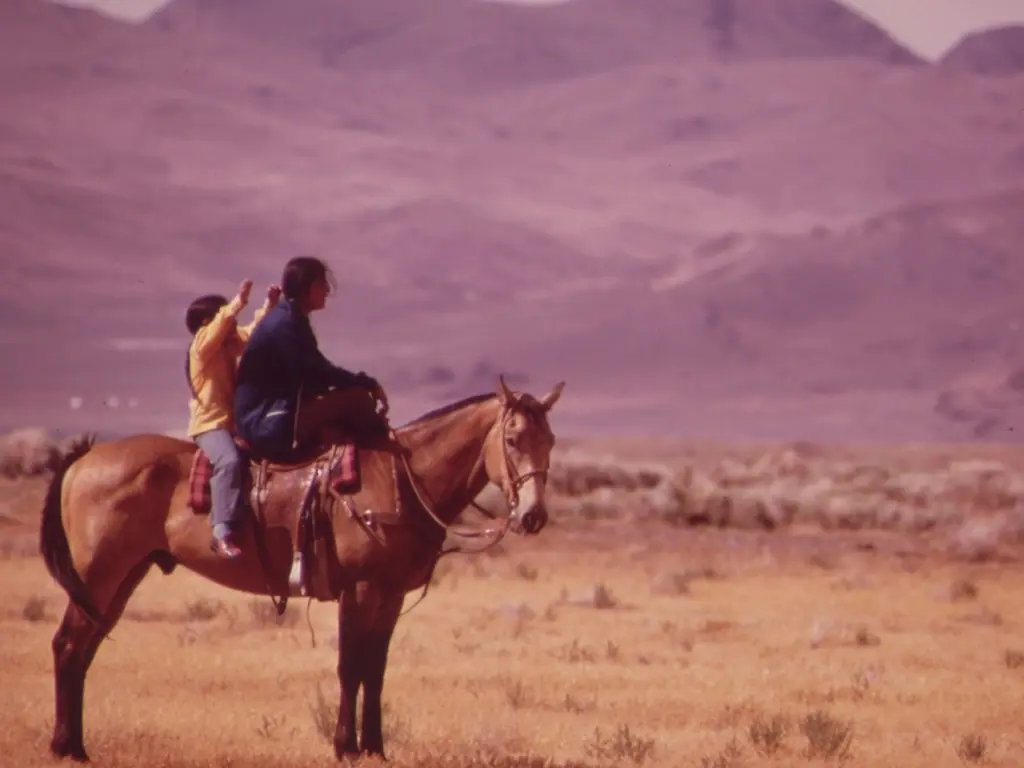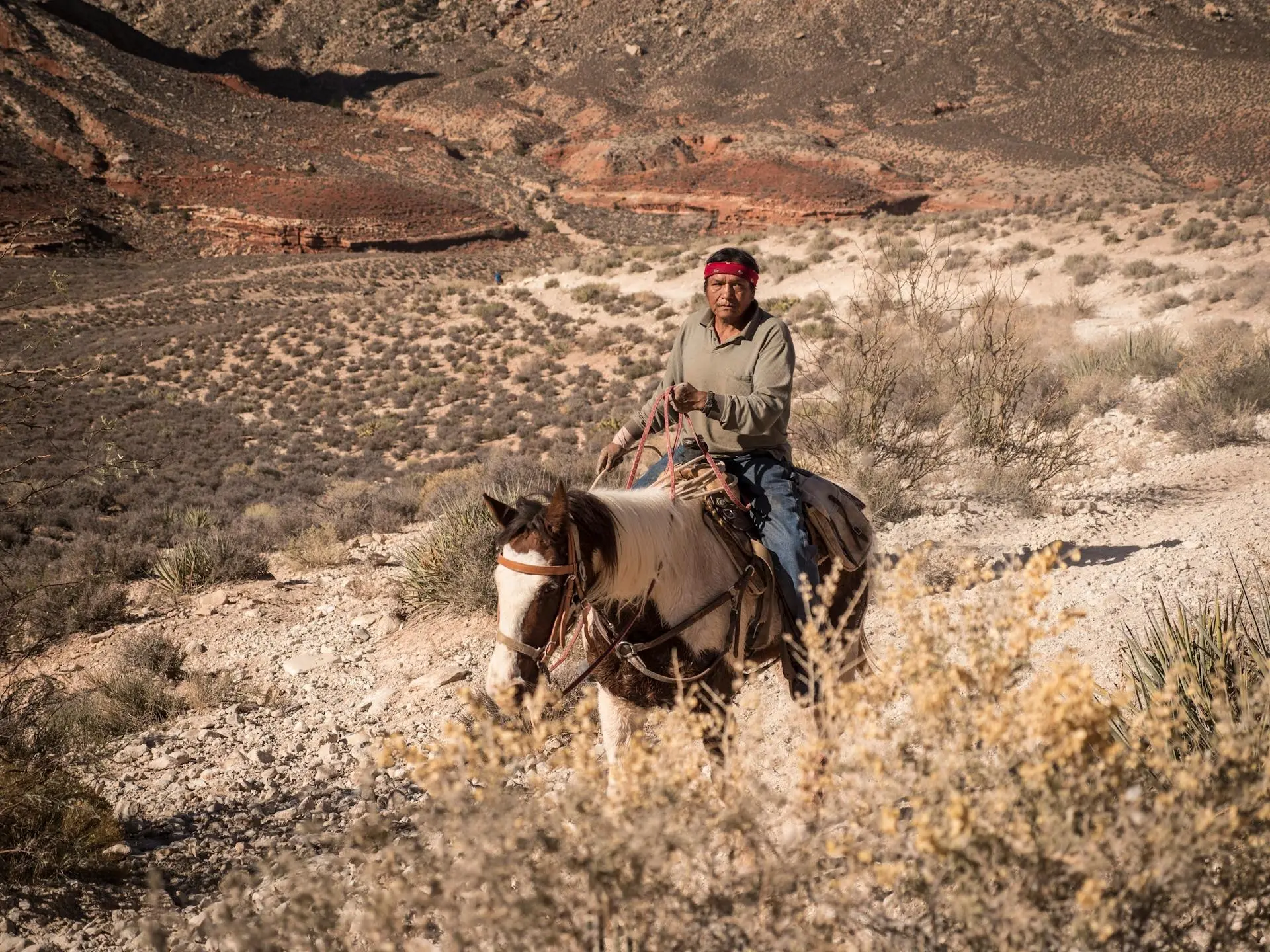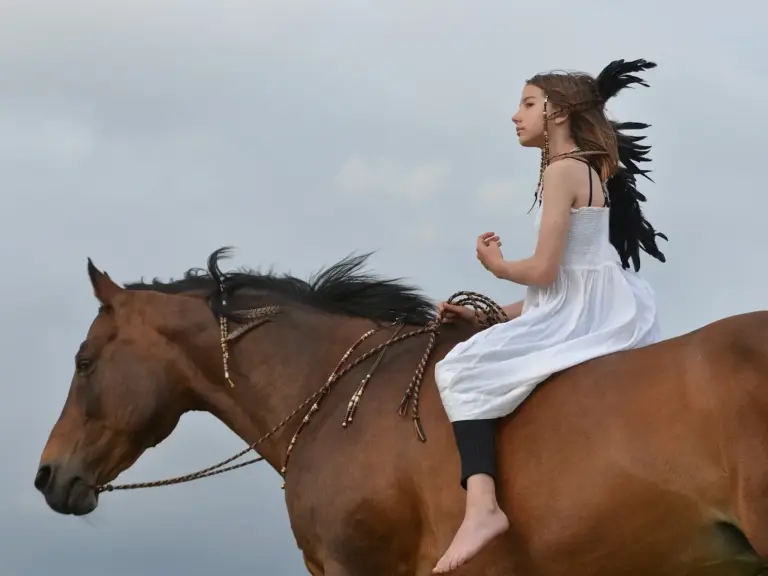
Also known as Cow Pony, Buffalo horse, Mustang, Indian pony, Cayuse and Spanish pony, the American Indian horse’s descendants were brought to the Americas by Spanish conquistadors. Many of the animals that were left behind became the feral horses of the US today, while others were adopted and bred by various indigenous tribes.
Origins
The American Indian Horse Registry (AIHR) was established in 1961 to preserve and document the pedigrees of Native American horses in the hopes of preserving their unique bloodlines.
5 Classifications of American Indian Horse
Class O
Bred to preserve original bloodlines (not conform to breed standards). Any horse registered since 1979 has direct bloodline connections to one of various tribes. They can also be registered with the Spanish Mustang Registry.
Class AA
Must have at least one Class O parent. Some of the BLM horses qualify for this classification.
Class A
Have unknown pedigrees, most BLM horses qualify under this classification.
Class M
Include modern bloodlines, one parent may be registered under another breed registry.
Class P
For ponies of Indian type, with Galiceno, POA, Welsh or Shetland blood in their pedigrees. This class also includes ponies of unknown ancestry.
Features
Average height 13 – 15 hands
Physique
Because breeding for bloodlines is often more important than conformation, this breed will vary physically.
Traditional Colors
All colors
Temperament
Temperament varies depending upon bloodlines.
Use
Cow horses
Riding horses
Show horses
Agriculture animals
Helpful Links
American Indian Horse Registry
More Images